1. Introduction
Regular physical activity is one of the most effective ways to protect and strengthen the heart. Exercise helps improve blood circulation, maintain a healthy weight, control blood pressure, and reduce the risk of cardiovascular diseases such as heart attack, stroke, and coronary artery disease.
A physically active lifestyle supports better heart function and improves overall quality of life. Whether you are young, middle-aged, or older, choosing the right type and amount of exercise can provide significant benefits for your cardiovascular health.
2. Why Is Exercise Important for Heart Health?
The heart is a muscle, and like other muscles, it becomes stronger and more efficient with regular activity.
Regular exercise helps:
- Improve heart pumping capacity
- Increase blood circulation
- Lower blood pressure
- Improve cholesterol levels
- Maintain healthy body weight
- Reduce stress
- Improve blood sugar control
- Reduce the risk of heart disease
Physical activity also improves the health of blood vessels, making them more flexible and efficient.
3. Benefits of Exercise for the Heart
3.1 Strengthens the Heart Muscle
Aerobic exercise trains the heart to pump blood more effectively. A stronger heart can deliver oxygen and nutrients more efficiently throughout the body.
3.2 Helps Control Blood Pressure
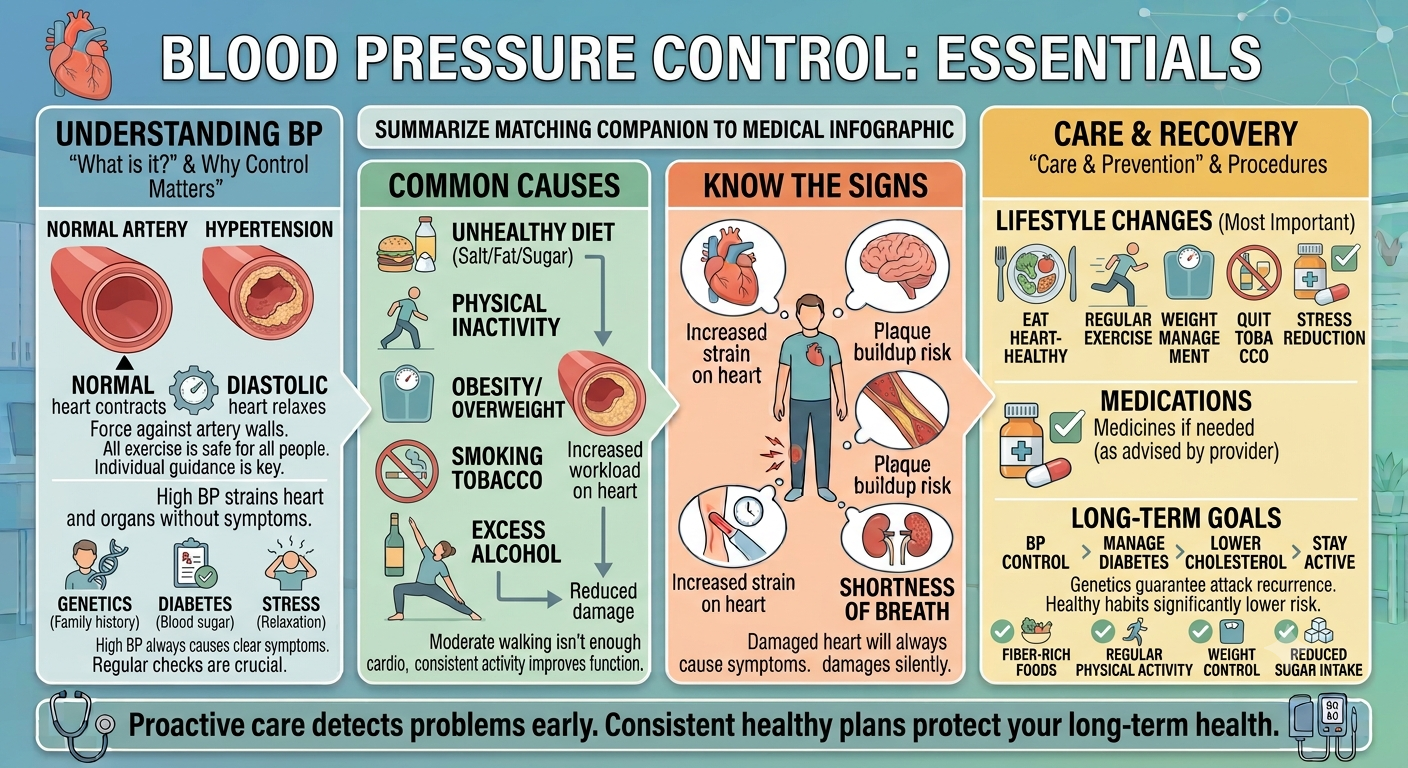
Regular exercise can help reduce high blood pressure, one of the major risk factors for heart disease.
3.3 Improves Cholesterol Levels
Exercise can help:
- Increase HDL cholesterol ("good cholesterol")
- Reduce unhealthy cholesterol levels
- Improve triglyceride levels
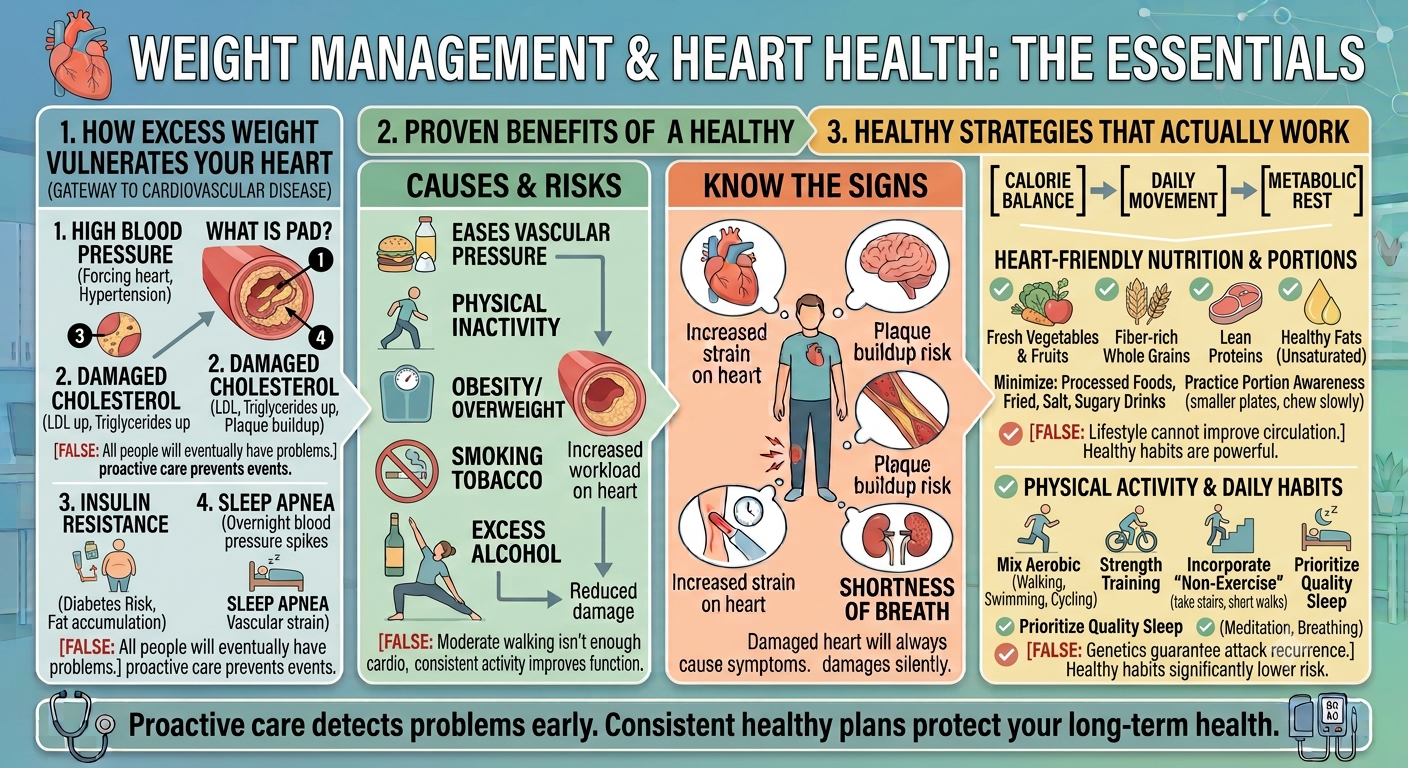
3.4 Supports Healthy Weight Management
Maintaining a healthy weight reduces stress on the heart and lowers the risk of:
- Diabetes
- High blood pressure
- Heart disease
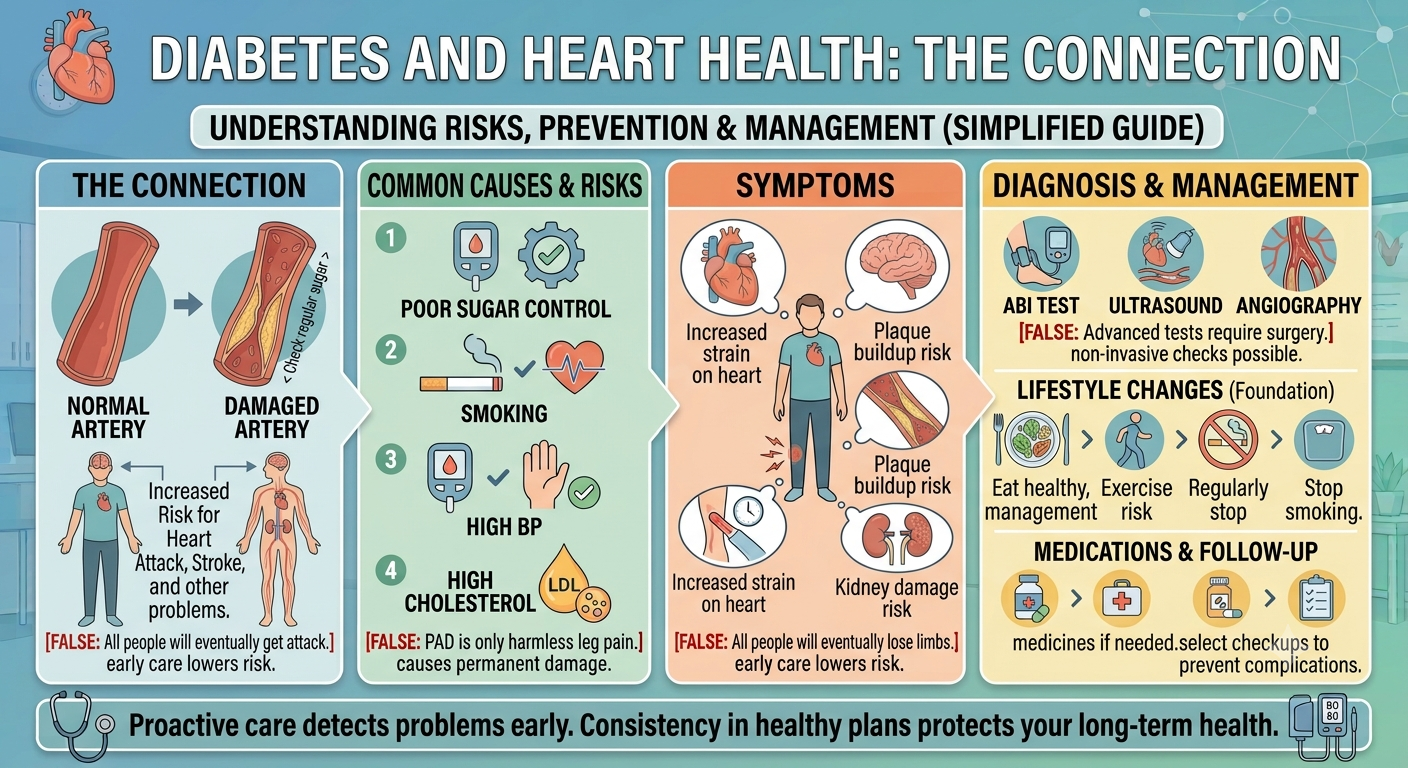
3.5 Improves Blood Sugar Control
Physical activity helps the body use insulin more effectively and supports better blood glucose management.
3.6 Reduces Stress and Anxiety
Exercise promotes the release of chemicals that improve mood and help reduce stress, which can positively affect heart health.
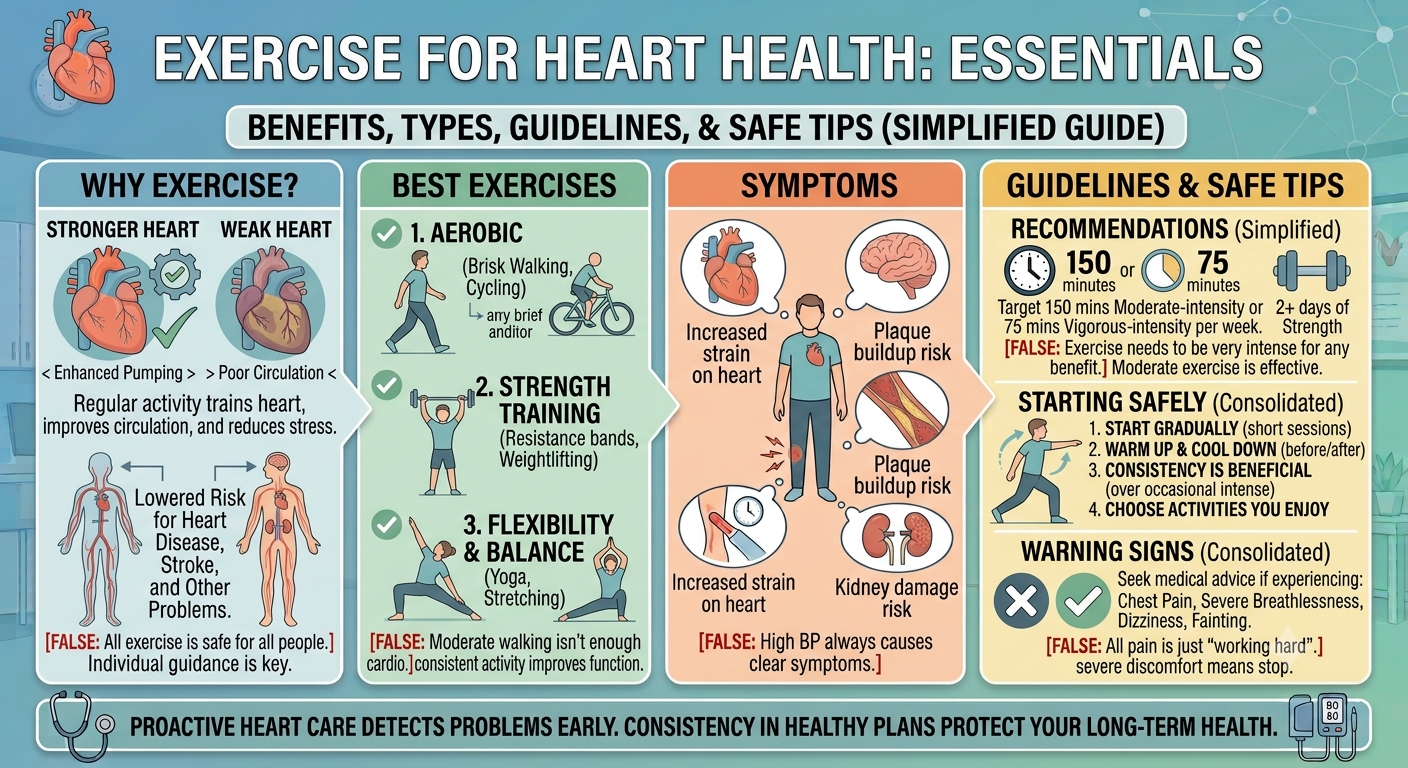
4. Types of Exercises Good for Heart Health
A balanced exercise routine should include different types of physical activity.
4.1 Aerobic Exercise (Cardio)
Aerobic exercises increase heart rate and improve cardiovascular fitness.
Examples include:
- Brisk walking
- Jogging
- Cycling
- Swimming
- Dancing
- Walking uphill
These exercises improve heart endurance and circulation.
4.2 Strength Training
Strength exercises help build muscles and improve metabolism.
Examples:
- Weight training
- Resistance band exercises
- Body-weight exercises
Strength training should be performed safely with proper technique.
4.3 Flexibility and Balance Exercises
Stretching and balance exercises improve mobility and reduce injury risk.
Examples:
- Yoga
- Stretching exercises
- Tai chi
5. How Much Exercise Is Recommended for Heart Health?
General recommendations for adults include:
- At least 150 minutes of moderate-intensity aerobic activity per week, or
- Around 75 minutes of vigorous-intensity exercise per week
Strength training is generally recommended at least two days per week.
People who are inactive should start gradually and increase activity over time.
6. Best Exercises for Heart Patients
People with heart conditions can often benefit from regular exercise, but the activity level should be personalised according to medical advice.
Commonly recommended activities include:
- Walking
- Light cycling
- Swimming
- Supervised cardiac rehabilitation exercises
A doctor may recommend an exercise plan based on:
- Heart condition
- Age
- Fitness level
- Symptoms
- Previous procedures
7. Exercise After Heart Attack or Angioplasty
Physical activity is an important part of recovery after heart events.
A structured cardiac rehabilitation program may include:
- Exercise training
- Heart monitoring
- Education about lifestyle changes
- Risk factor management
Patients should gradually increase activity based on their healthcare provider’s guidance.
8. How Exercise Improves Heart Risk Factors
8.1 Exercise and Blood Pressure
Regular activity helps blood vessels relax and improves circulation, which may lower blood pressure.
8.2 Exercise and Cholesterol
Physical activity supports healthier cholesterol balance by increasing beneficial HDL cholesterol.
8.3 Exercise and Diabetes
Exercise improves insulin sensitivity and helps maintain healthier blood sugar levels.
8.4 Exercise and Obesity
Regular movement helps burn calories and maintain a healthy body composition.
9. Signs to Stop Exercise and Seek Medical Advice
Stop exercising and seek medical guidance if you experience:
- Chest pain or pressure
- Severe breathlessness
- Dizziness or fainting
- Unusual weakness
- Irregular heartbeat sensations
- Extreme fatigue
People with known heart disease should discuss safe exercise limits with their doctor.
10. Tips to Start an Exercise Routine Safely
10.1 Start Slowly
If you have been inactive, begin with short sessions and gradually increase duration.
10.2 Warm Up and Cool Down
A warm-up prepares the heart and muscles for activity. Cooling down allows the body to return gradually to a resting state.
10.3 Stay Consistent
Regular moderate exercise is more beneficial than occasional intense workouts.
10.4 Choose Activities You Enjoy
Walking, cycling, swimming, or group activities can make exercise easier to maintain.
10.5 Listen to Your Body
Exercise should challenge you but should not cause severe discomfort or symptoms.
11. Exercise and Lifestyle Balance
Exercise works best when combined with other healthy habits:
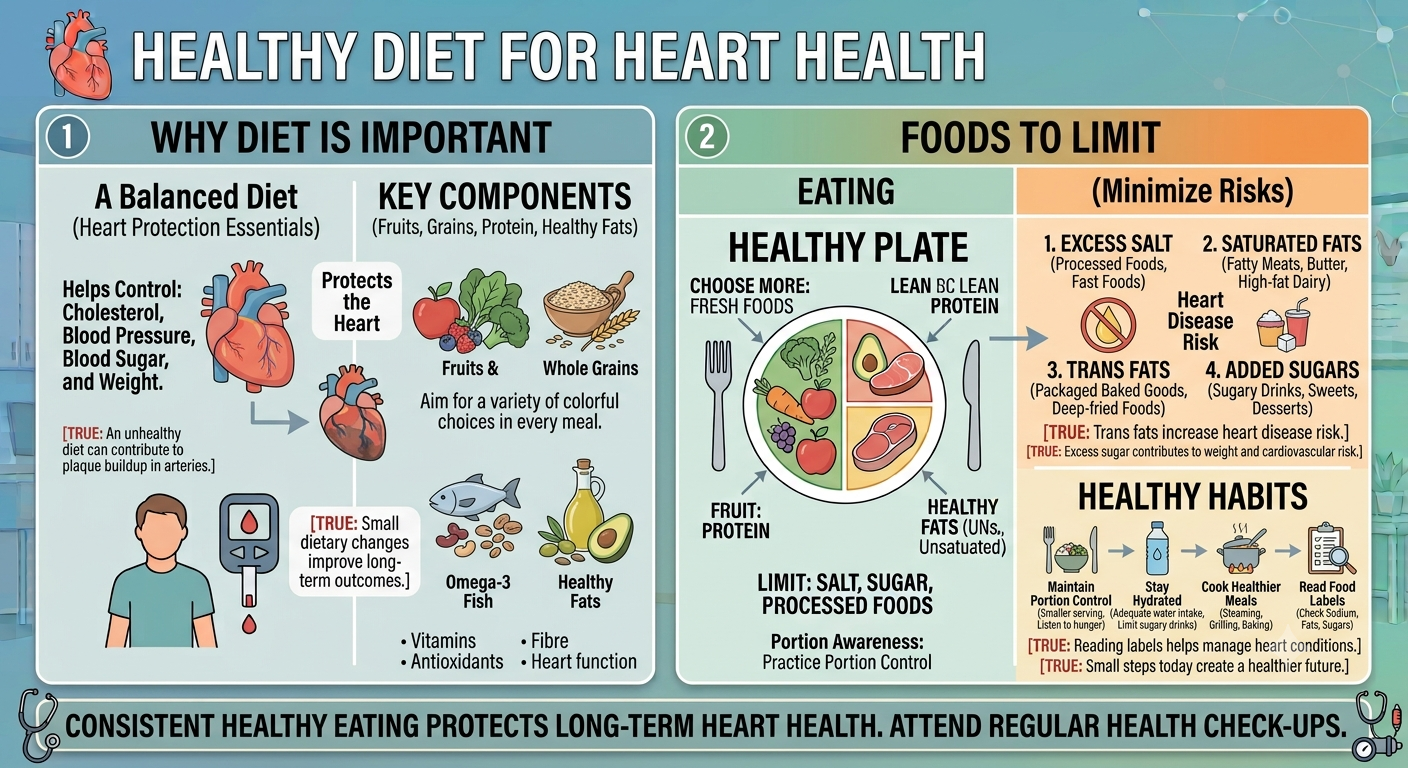
- Balanced diet
- Adequate sleep
- Stress management
- Avoiding smoking
- Limiting alcohol
- Regular health check-ups
12. Exercise Precautions for People With Heart Disease
Before starting a new exercise program, consult a healthcare professional if you have:
- Previous heart attack
- Heart failure
- Angina
- Heart valve disease
- Abnormal heart rhythm
- Recent heart surgery
Your doctor may recommend specific intensity levels and monitoring.
13. Frequently Asked Questions About Exercise and Heart Health
13.1 Can exercise prevent heart disease?
Regular exercise can reduce many risk factors for heart disease, including high blood pressure, obesity, diabetes, and unhealthy cholesterol levels.
13.2 Is walking enough for heart health?
Yes. Brisk walking is an excellent cardiovascular exercise and can provide significant heart benefits when performed regularly.
13.3 Can heart patients exercise?
Many heart patients can exercise safely with an appropriate plan recommended by their healthcare provider.
13.4 What is the best time to exercise?
The best time is when you can exercise consistently. Choose a time that fits your routine and allows you to remain active regularly.
13.5 How long should I exercise daily?
Many adults benefit from about 30 minutes of moderate activity on most days of the week.
14. Conclusion
Exercise is a powerful tool for maintaining a healthy heart and preventing cardiovascular disease. Regular physical activity strengthens the heart, improves circulation, controls risk factors, and enhances overall well-being.
The key is to choose suitable activities, stay consistent, and exercise safely according to your health condition. Along with a balanced diet and healthy lifestyle choices, regular exercise can help protect your heart for years to come.