1. Introduction
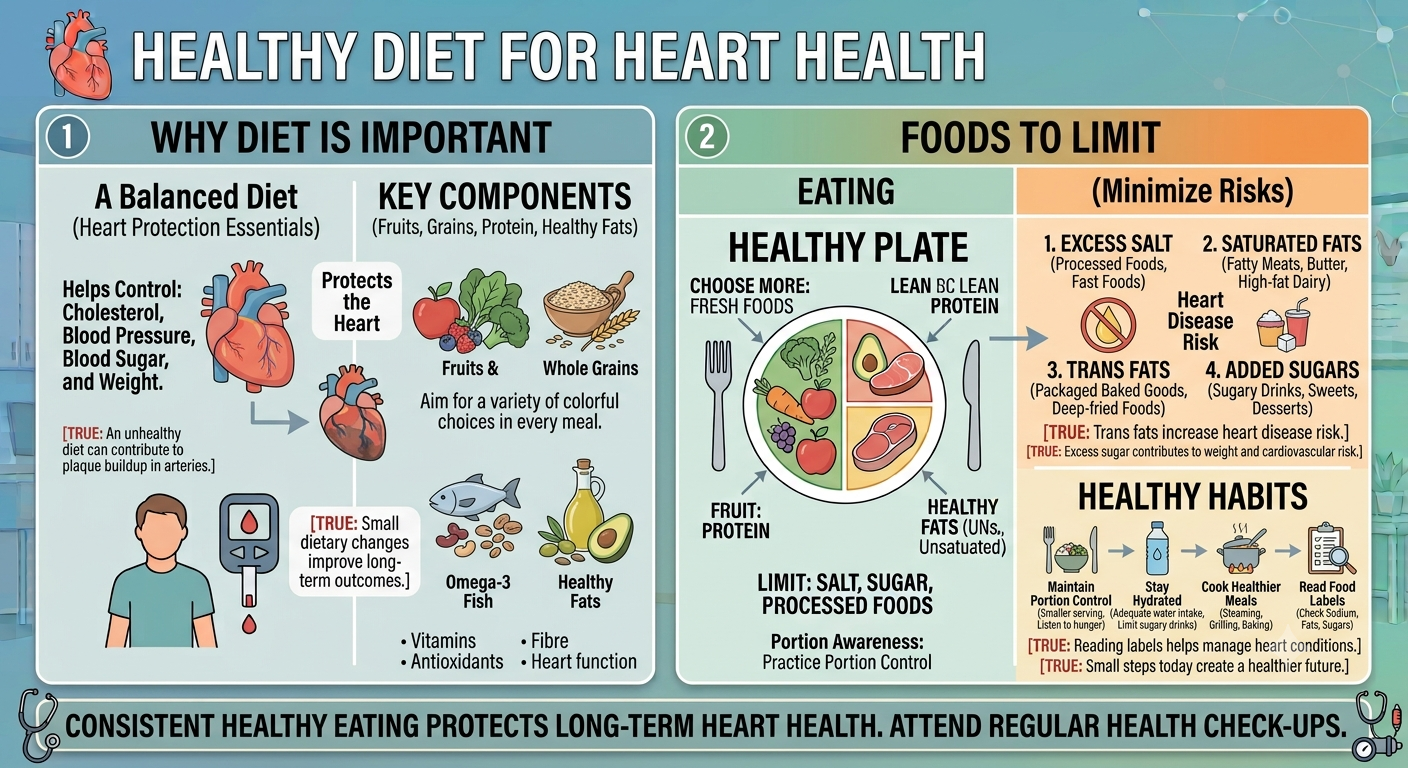
A healthy heart depends not only on medical care but also on daily lifestyle choices, especially the food we eat. A balanced diet provides essential nutrients, helps maintain healthy body weight, and reduces the risk of cardiovascular diseases such as heart attack, high blood pressure, high cholesterol, and stroke.
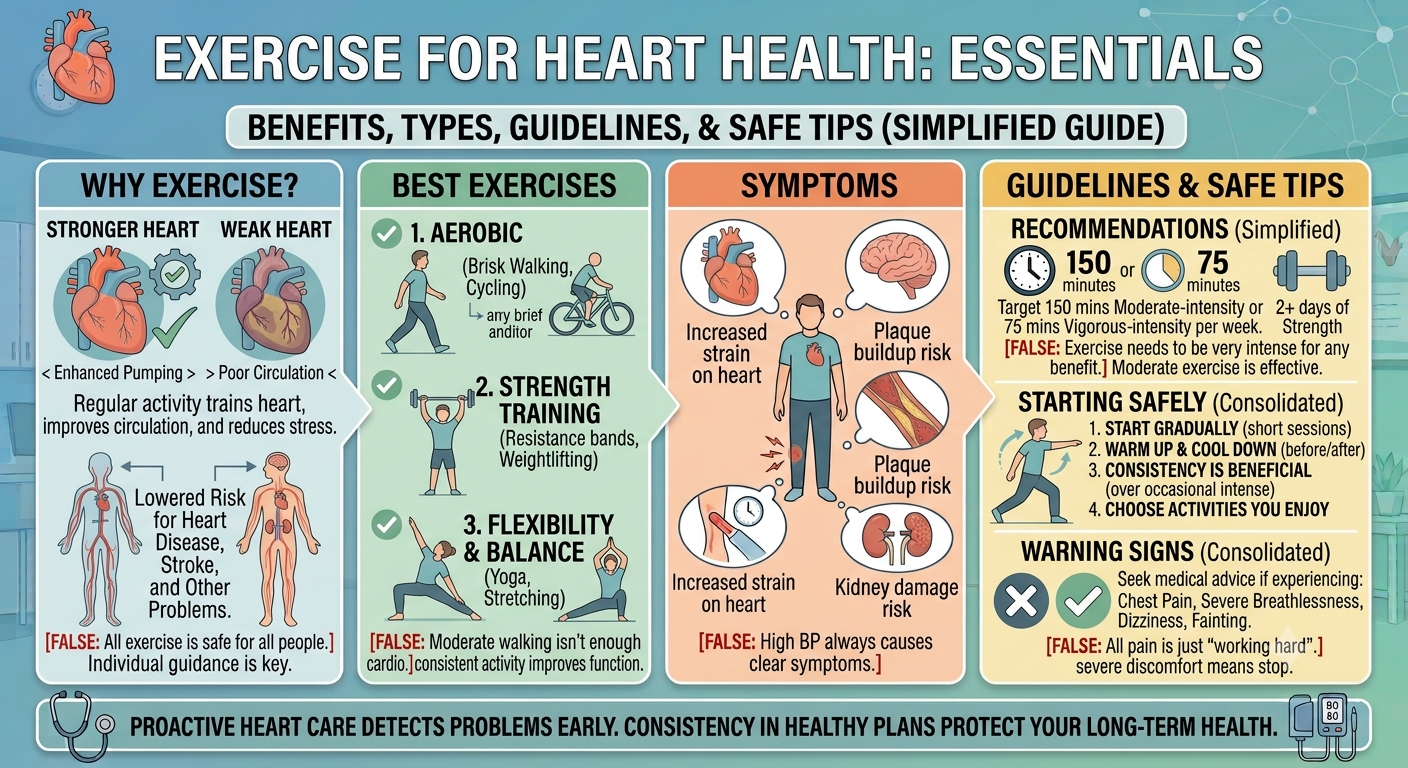
A heart-healthy diet focuses on consuming nutrient-rich foods while limiting excess salt, unhealthy fats, added sugars, and processed foods. Combined with regular physical activity and routine health check-ups, a healthy diet plays an important role in protecting long-term heart health.
2. Why Is a Healthy Diet Important for the Heart?
The food we consume directly affects important heart health factors, including:
- Cholesterol levels
- Blood pressure
- Blood sugar levels
- Body weight
- Inflammation in the body
An unhealthy diet high in saturated fats, trans fats, salt, and processed foods can contribute to plaque buildup in arteries, increasing the risk of coronary artery disease.
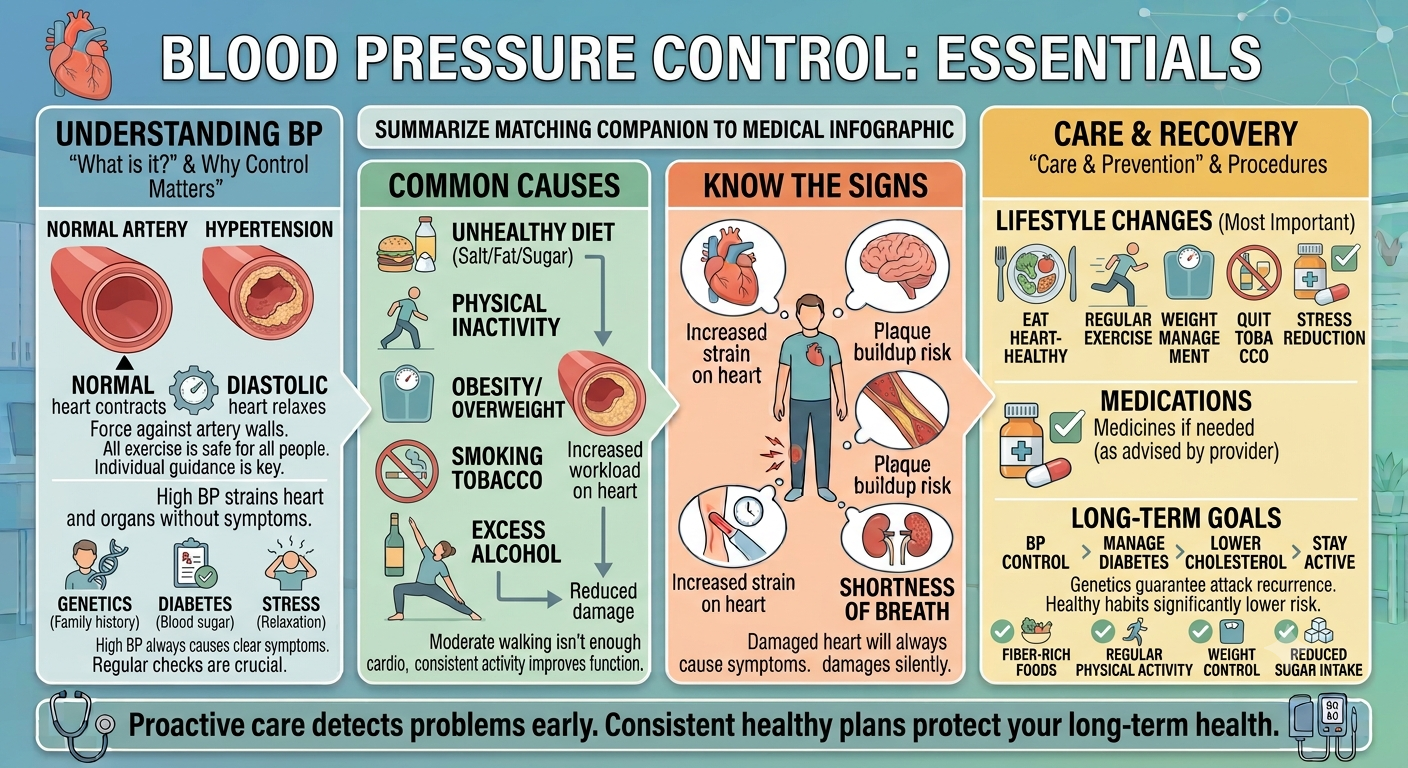
A balanced heart-friendly diet helps:
- Maintain healthy cholesterol levels
- Control blood pressure
- Reduce the risk of artery blockage
- Support healthy blood circulation
- Improve overall well-being
3. Key Components of a Heart-Healthy Diet
3.1 Fruits and Vegetables
Fruits and vegetables are rich in:
- Vitamins
- Minerals
- Fibre
- Antioxidants
They help reduce inflammation and support healthy blood vessels.
Include a variety of colourful fruits and vegetables such as:
- Apples
- Berries
- Oranges
- Papaya
- Leafy greens
- Carrots
- Broccoli
- Beans
- Tomatoes
Aim to include vegetables in every major meal.
3.2 Whole Grains
Whole grains provide fibre and important nutrients that support heart health.
Choose:
- Brown rice
- Oats
- Whole wheat
- Millets
- Quinoa
- Barley
Dietary fibre can help reduce LDL cholesterol, often called "bad cholesterol."
3.3 Healthy Protein Sources
Protein is essential for maintaining muscles and overall health.
Heart-friendly protein choices include:
- Fish rich in omega-3 fatty acids
- Beans and lentils
- Chickpeas
- Nuts and seeds
- Low-fat dairy products
- Lean poultry
Reduce intake of processed meats and high-fat meat products.
3.4 Healthy Fats
Not all fats are harmful. Healthy fats support heart function when consumed in moderation.
Sources of healthy fats include:
- Olive oil
- Nuts
- Seeds
- Avocado
- Fatty fish
Avoid excessive consumption of unhealthy fats found in:
- Fried foods
- Processed snacks
- Bakery products
4. Foods That Support Heart Health
4.1 Oats
Oats contain soluble fibre that may help reduce cholesterol levels.
4.2 Nuts
Nuts such as almonds and walnuts contain healthy fats and nutrients beneficial for cardiovascular health.
4.3 Fish
Fish such as salmon, sardines, and other omega-3-rich varieties may support heart health by helping maintain healthy triglyceride levels.
4.4 Legumes
Beans, lentils, and pulses provide fibre and plant-based protein.
4.5 Green Leafy Vegetables
Vegetables like spinach and other greens contain nutrients that support healthy blood vessels.
5. Foods to Limit for Better Heart Health
5.1 Excess Salt
High salt intake can increase blood pressure, which puts additional strain on the heart.
Limit:
- Pickles
- Packaged snacks
- Instant foods
- Processed foods
5.2 Saturated Fats
High intake of saturated fats may increase LDL cholesterol.
Common sources include:
- Fatty meats
- Butter
- Full-fat dairy products
- Some fried foods
5.3 Trans Fats
Trans fats are associated with increased heart disease risk.
They are commonly found in:
- Packaged baked foods
- Some processed snacks
- Deep-fried fast foods
5.4 Added Sugars
Excess sugar intake may contribute to:
- Weight gain
- Diabetes risk
- Increased cardiovascular risk
Limit:
- Sugary drinks
- Sweets
- Desserts
- Sweetened beverages
6. Heart-Healthy Diet Plans
6.1 Mediterranean Diet
The Mediterranean diet is widely recognised for cardiovascular benefits.
It emphasizes:
- Fruits
- Vegetables
- Whole grains
- Fish
- Nuts
- Healthy oils
It limits processed foods and unhealthy fats.
6.2 DASH Diet
The Dietary Approaches to Stop Hypertension (DASH) diet is designed to help control blood pressure.
It focuses on:
- Vegetables
- Fruits
- Whole grains
- Low-fat dairy
- Lean proteins
It limits salt, sugar, and saturated fats.
7. Healthy Eating Habits for Heart Protection
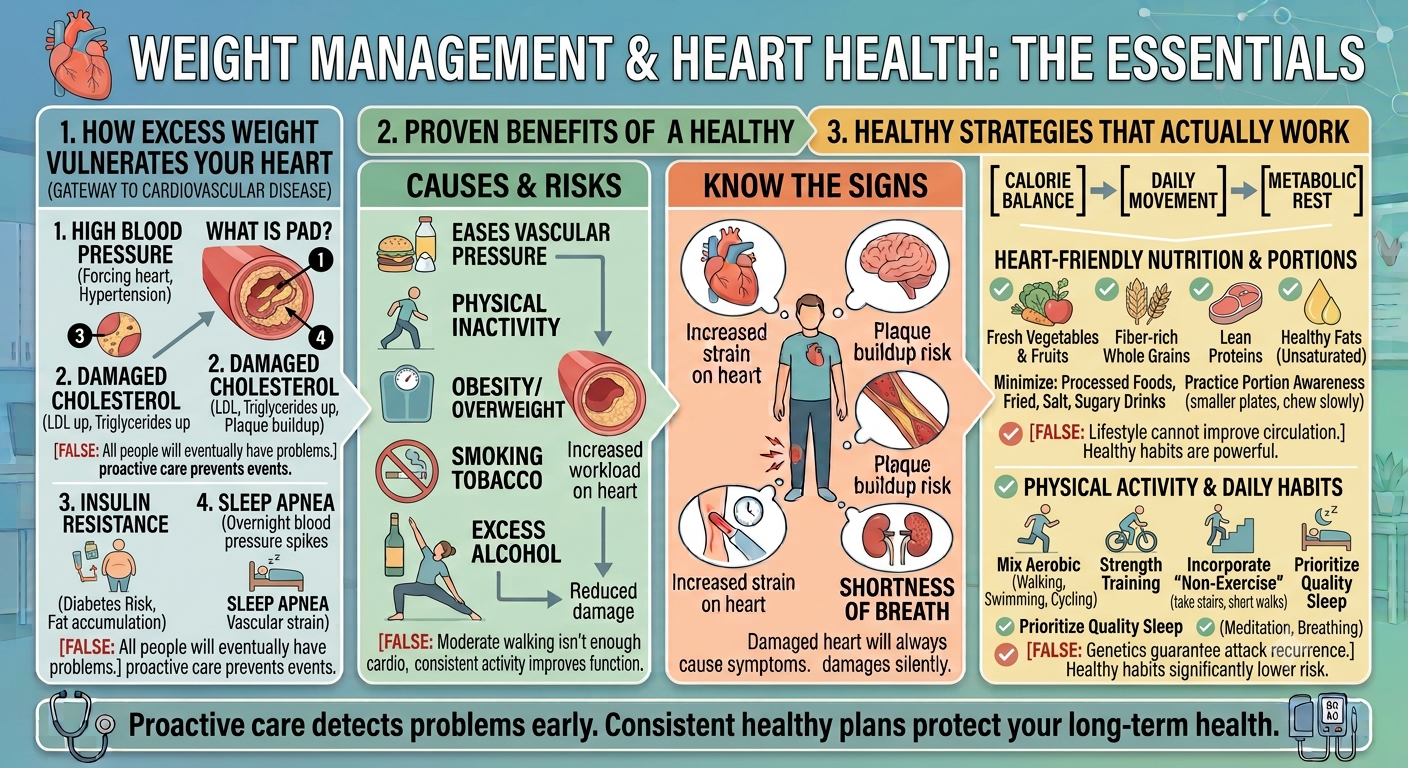
7.1 Maintain Portion Control
Even healthy foods can contribute to weight gain if eaten in excessive amounts.
Use portion control by:
- Eating smaller servings
- Avoiding overeating
- Listening to hunger signals
7.2 Stay Hydrated
Adequate water intake supports circulation and overall health.
Limit sugary beverages and excessive alcohol consumption.
7.3 Cook Healthier Meals
Choose cooking methods such as:
- Steaming
- Grilling
- Baking
- Roasting
Limit deep frying.
7.4 Read Food Labels
Check labels for:
- Sodium content
- Added sugars
- Saturated fats
- Trans fats
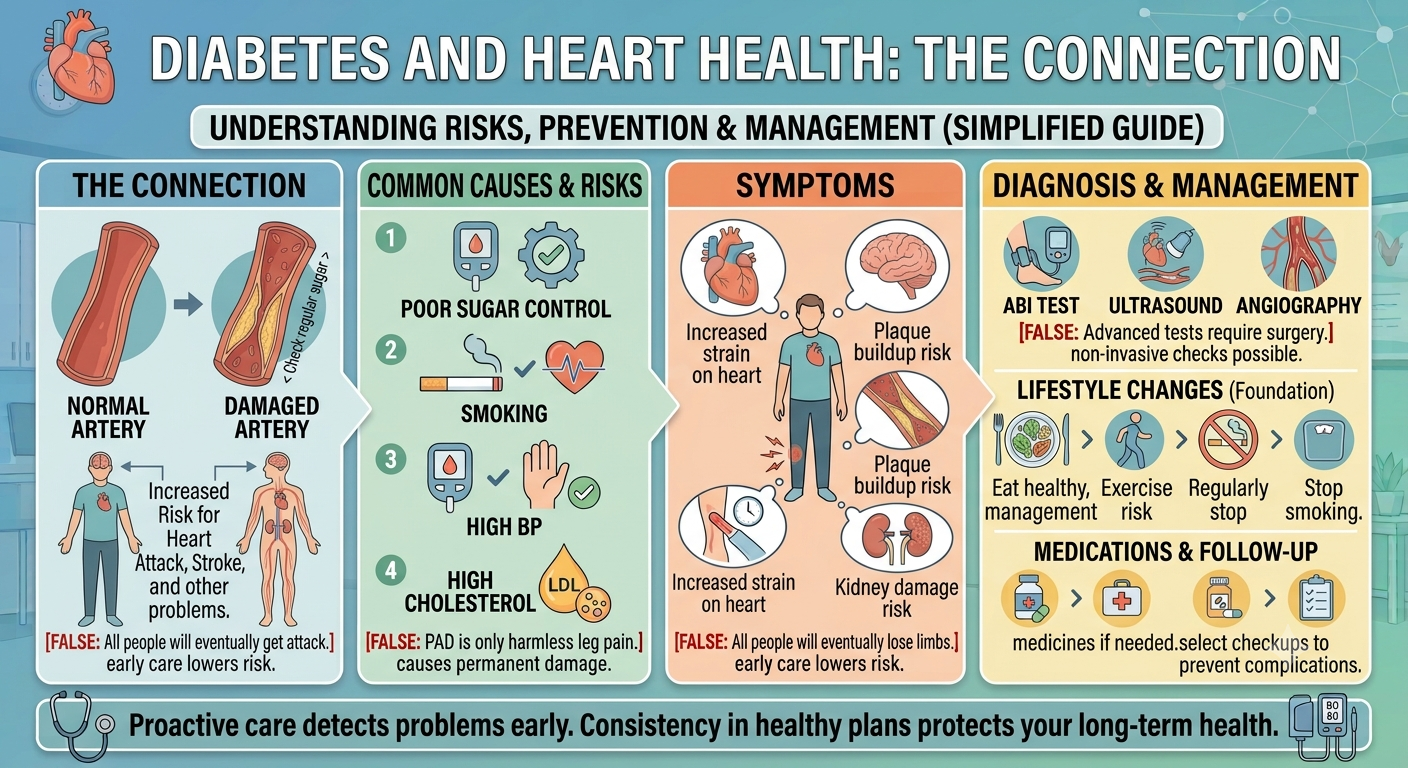
8. Healthy Diet for People With Heart Conditions
People with conditions such as:
- Heart disease
- High cholesterol
- High blood pressure
- Diabetes
may require personalised dietary recommendations.
A heart specialist or dietitian may suggest:
- Lower salt intake
- Cholesterol management strategies
- Controlled carbohydrate intake
- Weight management plans
9. Foods to Include in a Daily Heart-Friendly Meal Plan
9.1 Breakfast
Examples:
- Oats with fruits and nuts
- Whole wheat toast with healthy toppings
- Vegetable-based meals
9.2 Lunch
Examples:
- Whole grains
- Vegetables
- Pulses or lean protein
- Salad
9.3 Snacks
Healthy options include:
- Fruits
- Nuts
- Sprouts
- Low-fat yoghurt
9.4 Dinner
Choose:
- Light meals
- Vegetables
- Lean protein
- Whole grains
Avoid heavy meals close to bedtime.
10. Role of Diet in Managing Cholesterol
A healthy diet can help improve cholesterol levels by:
- Increasing fibre intake
- Reducing saturated fat consumption
- Including healthy fats
- Maintaining healthy body weight
Foods that may help manage cholesterol include:
- Oats
- Beans
- Fruits
- Vegetables
- Nuts
- Whole grains
11. Role of Diet in Blood Pressure Control
A balanced diet helps regulate blood pressure by:
- Reducing salt intake
- Increasing potassium-rich foods
- Maintaining healthy weight
- Supporting healthy blood vessels
12. Frequently Asked Questions About Healthy Heart Diet
12.1 What is the best diet for heart health?
A diet rich in fruits, vegetables, whole grains, lean proteins, and healthy fats is beneficial for heart health. Mediterranean and DASH-style eating patterns are commonly recommended.
12.2 Can diet reduce cholesterol?
Yes. A diet high in fibre and low in unhealthy fats can help improve cholesterol levels.
12.3 Are all fats bad for the heart?
No. Healthy fats from sources such as nuts, seeds, fish, and certain oils can support heart health when consumed in moderation.
12.4 How much salt should I eat for a healthy heart?
People should avoid excessive salt intake. Those with high blood pressure or heart disease may need stricter limits as advised by their doctor.
12.5 Can a healthy diet prevent heart disease?
A healthy diet can significantly reduce risk factors associated with heart disease, especially when combined with exercise, weight management, and avoiding smoking.
13. Conclusion
A healthy diet is one of the most powerful ways to protect your heart and reduce the risk of cardiovascular disease. Choosing fresh foods, increasing fibre intake, limiting unhealthy fats and salt, and maintaining balanced nutrition can improve cholesterol, blood pressure, and overall heart function.
Small, consistent dietary changes can make a meaningful difference in long-term heart health. Along with regular exercise and medical check-ups, a heart-friendly diet helps build a healthier future.