1. Introduction
Breathing is an essential process that supplies oxygen to the body and removes carbon dioxide. When a person feels unable to get enough air or experiences difficulty breathing, it is known as breathlessness or shortness of breath.
Breathlessness can occur temporarily after intense exercise, stress, or physical exertion. However, persistent or sudden breathing difficulty may indicate an underlying medical condition affecting the heart, lungs, blood, or other body systems.
Understanding the causes, symptoms, diagnosis, treatment, and prevention of breathlessness can help identify when medical attention is needed.
2. What Is Breathlessness?
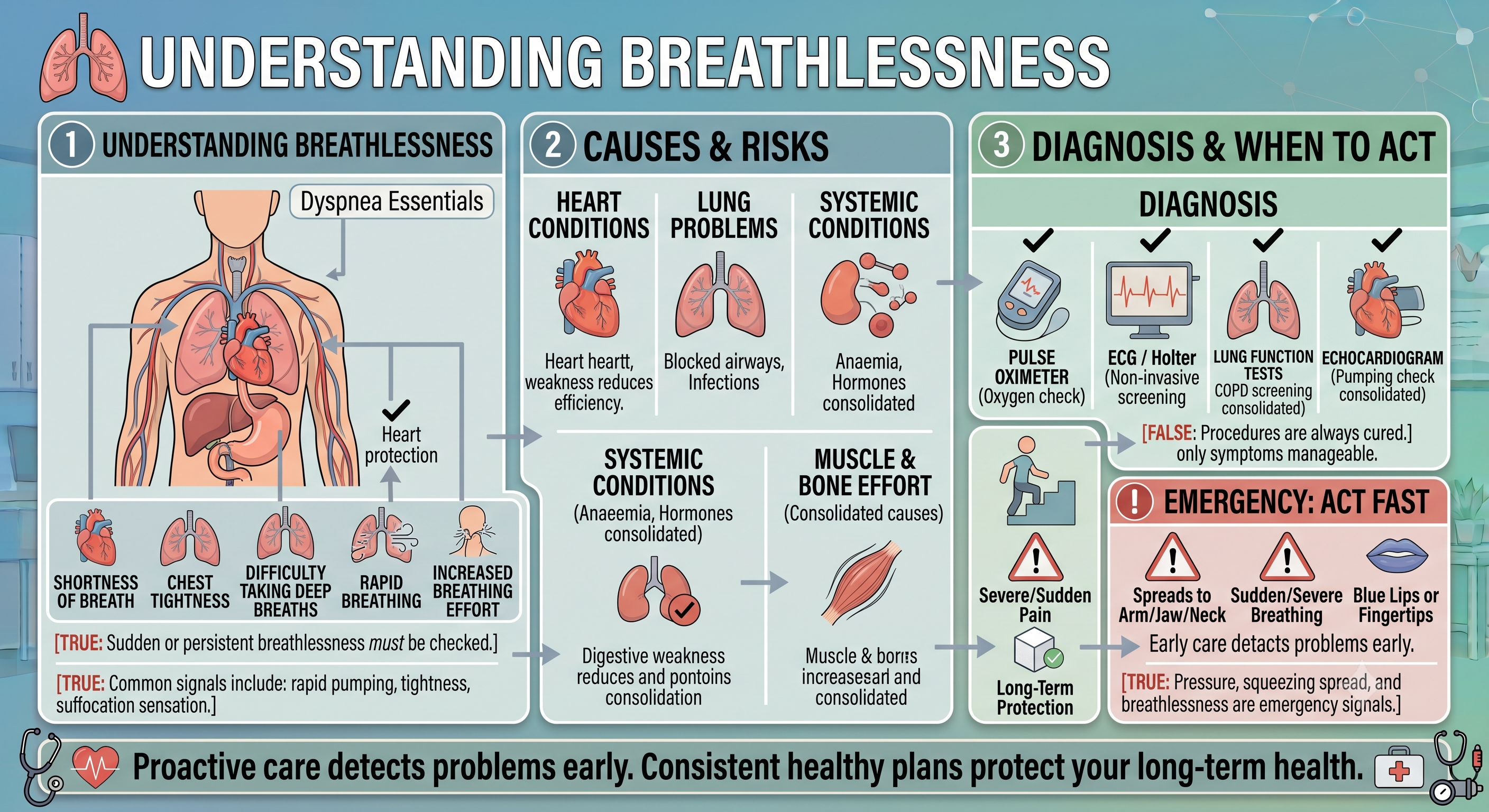
Breathlessness, medically known as dyspnoea, is the uncomfortable sensation of not being able to breathe normally.
People May Describe It As:
- Feeling unable to get enough air
- Tightness in the chest
- Difficulty taking deep breaths
- Rapid breathing
- A feeling of suffocation
- Increased effort while breathing
Breathlessness may occur:
- Acute (Sudden) – develops quickly and may require urgent medical attention.
- Chronic (Long-term) – develops gradually over weeks, months, or years.
3. Types of Breathlessness
3.1 Acute Breathlessness
Acute breathlessness develops suddenly and often requires prompt medical evaluation.
Possible Causes Include:
- Heart attack
- Pulmonary embolism
- Severe asthma attack
- Lung infection (Pneumonia)
- Collapsed lung (Pneumothorax)
3.2 Chronic Breathlessness
Chronic breathlessness develops gradually over time.
Common Causes Include:
- Heart failure
- Chronic lung diseases
- Obesity
- Long-term respiratory conditions
4. Common Causes of Breathlessness
Breathlessness may result from conditions affecting the heart, lungs, blood circulation, muscles, or overall health.
5. Heart-Related Causes of Breathlessness
5.1 Heart Failure
Heart failure occurs when the heart cannot pump blood efficiently.
Fluid may build up in the lungs, causing:
- Shortness of breath
- Difficulty breathing while lying flat (orthopnoea)
- Waking at night due to breathlessness (paroxysmal nocturnal dyspnoea)
- Reduced exercise capacity
5.2 Coronary Artery Disease (CAD)
Narrowing of the coronary arteries reduces oxygen supply to the heart muscle.
Symptoms May Include:
- Breathlessness during physical activity
- Chest discomfort
- Fatigue
5.3 Heart Attack
A heart attack can suddenly reduce the heart's ability to pump blood.
Common Symptoms:
- Severe breathlessness
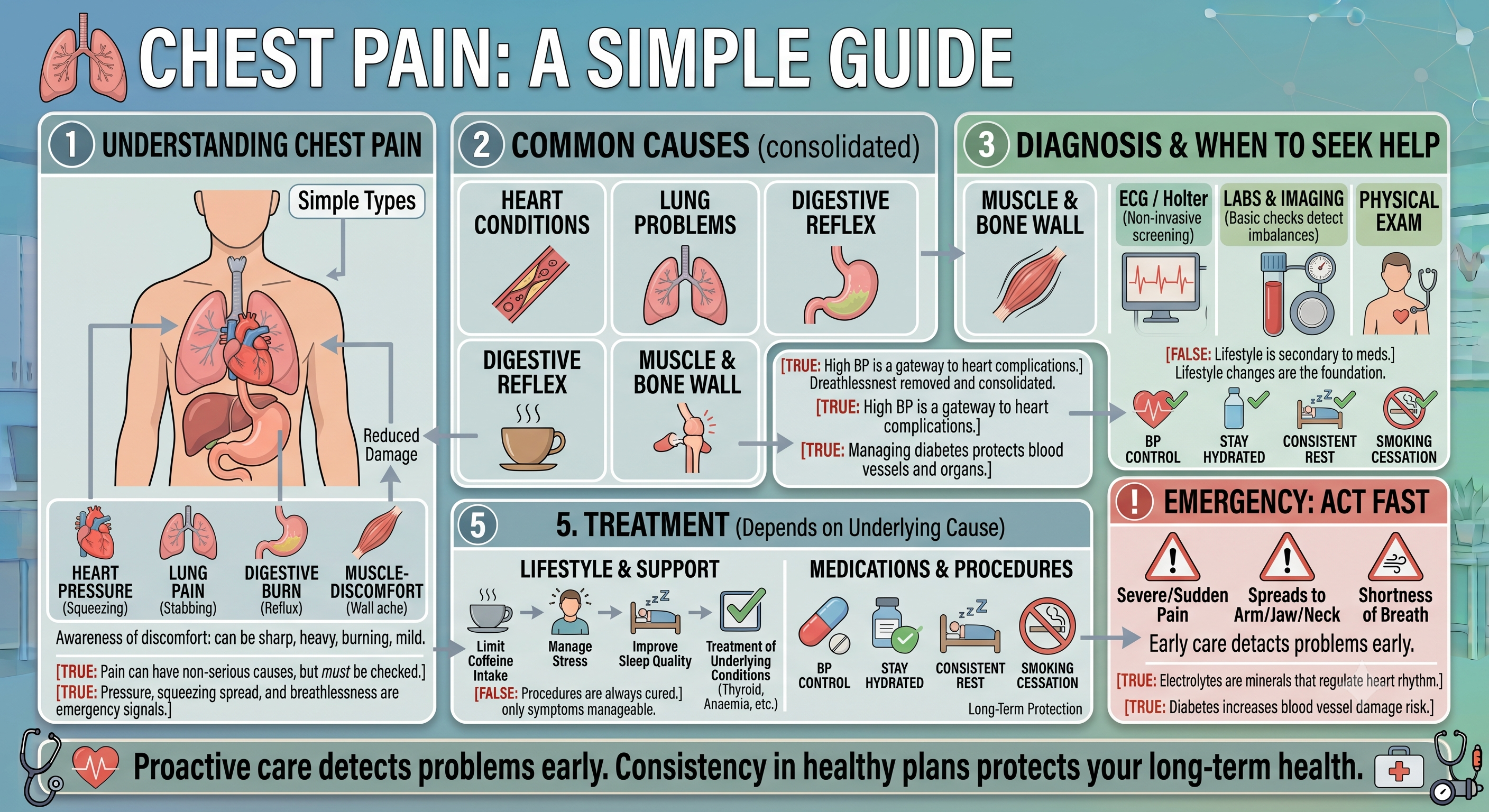
- Chest pain or pressure
- Sweating
- Nausea
- Weakness
5.4 Heart Valve Disease
Damaged heart valves increase pressure inside the heart and lungs, leading to breathing difficulty.
5.5 Abnormal Heart Rhythm (Arrhythmia)
Irregular heartbeats may reduce effective blood circulation and cause:
- Breathlessness
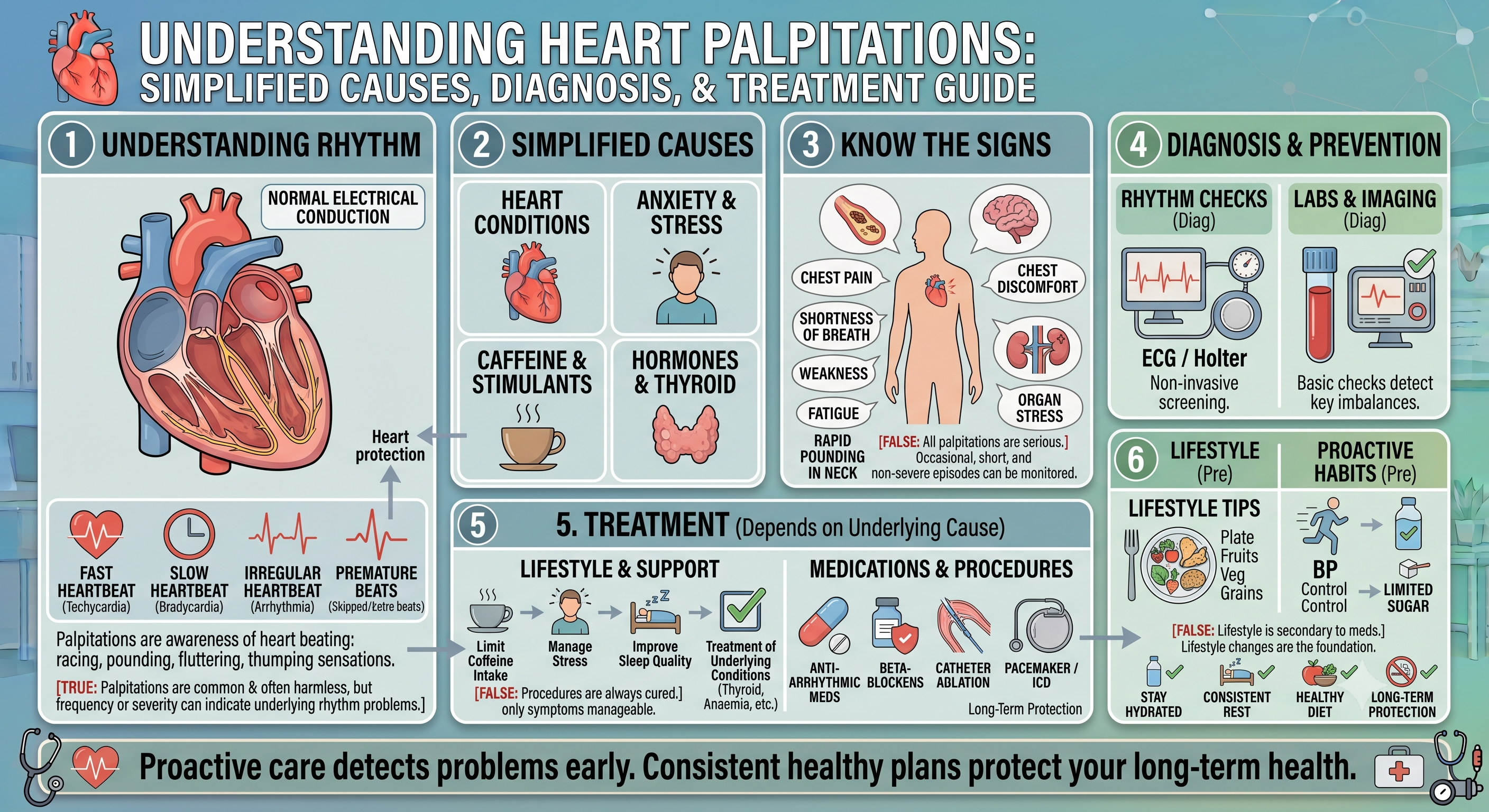
- Palpitations
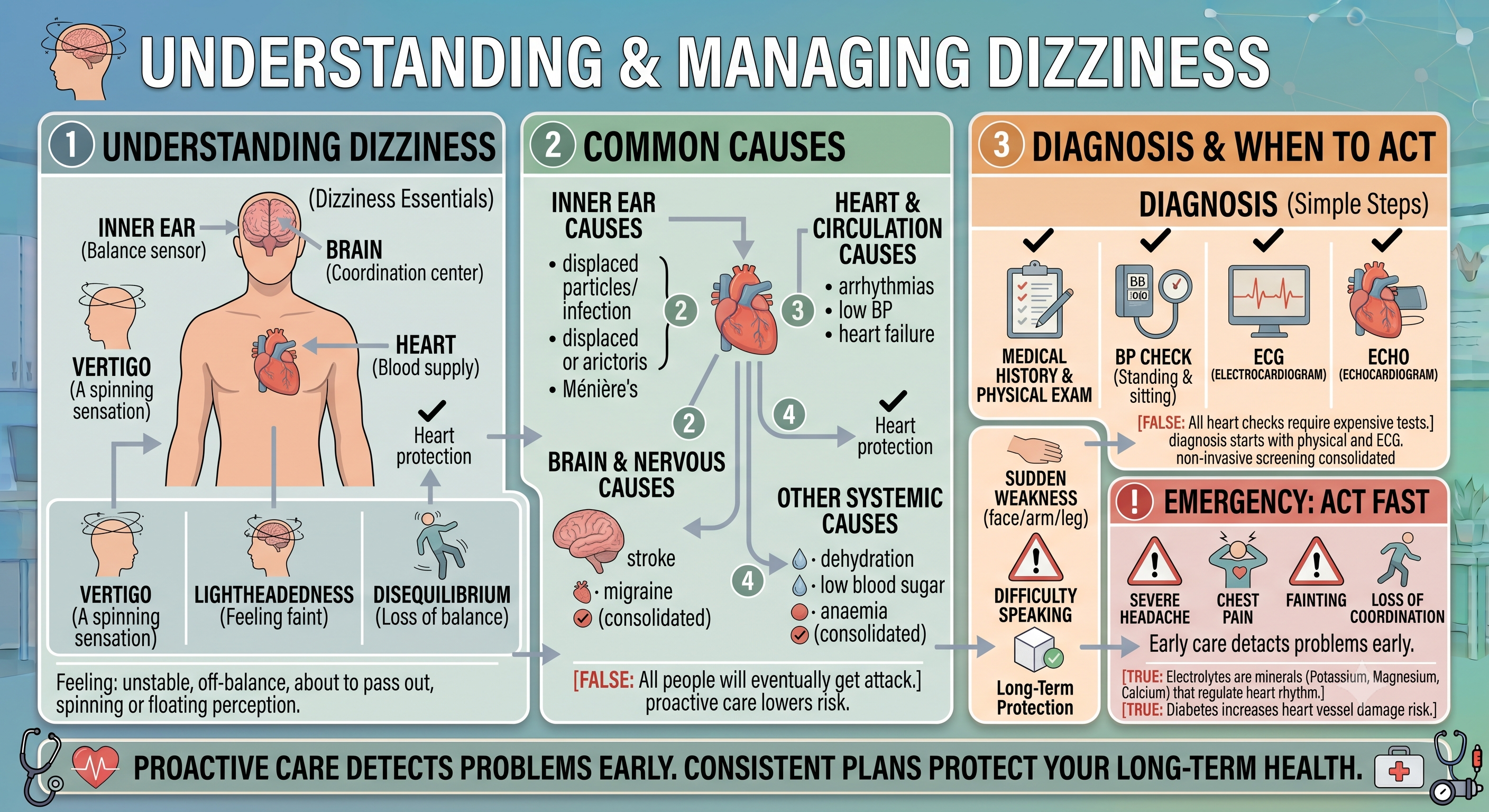
- Dizziness
6. Lung-Related Causes of Breathlessness
6.1 Asthma
Asthma causes inflammation and narrowing of the airways.
Symptoms Include:
- Wheezing
- Coughing
- Chest tightness
- Shortness of breath
6.2 Chronic Obstructive Pulmonary Disease (COPD)
COPD is a long-term lung disease that limits airflow.
It is commonly associated with:
- Smoking
- Chronic cough
- Reduced exercise tolerance
6.3 Pneumonia
A lung infection can fill the air sacs with fluid, reducing oxygen exchange and causing breathlessness.
6.4 Pulmonary Embolism
A blood clot blocking blood flow in the lungs can cause sudden and severe breathlessness.
This is a medical emergency requiring immediate treatment.
6.5 Interstitial Lung Disease
Scarring or damage to lung tissue reduces the lungs' ability to transfer oxygen effectively.
7. Other Causes of Breathlessness
7.1 Anxiety and Panic Attacks
Stress and anxiety may cause:
- Rapid breathing
- Chest tightness
- A sensation of not getting enough air
Medical causes should always be ruled out, especially if symptoms are new, severe, or persistent.
7.2 Anaemia
Low haemoglobin levels reduce oxygen delivery throughout the body.
Symptoms Include:
- Fatigue
- Weakness
- Breathlessness during activity
7.3 Obesity
Excess body weight increases pressure on the lungs and diaphragm, making breathing more difficult.
7.4 Poor Physical Fitness
Individuals who are physically inactive may become breathless during exertion due to reduced fitness.
8. Symptoms Associated With Breathlessness
Breathlessness may occur with additional symptoms depending on the underlying cause.
Associated Symptoms Include:
- Chest pain or pressure
- Persistent cough
- Wheezing
- Blue lips or fingertips
- Dizziness
- Fainting
- Rapid heartbeat
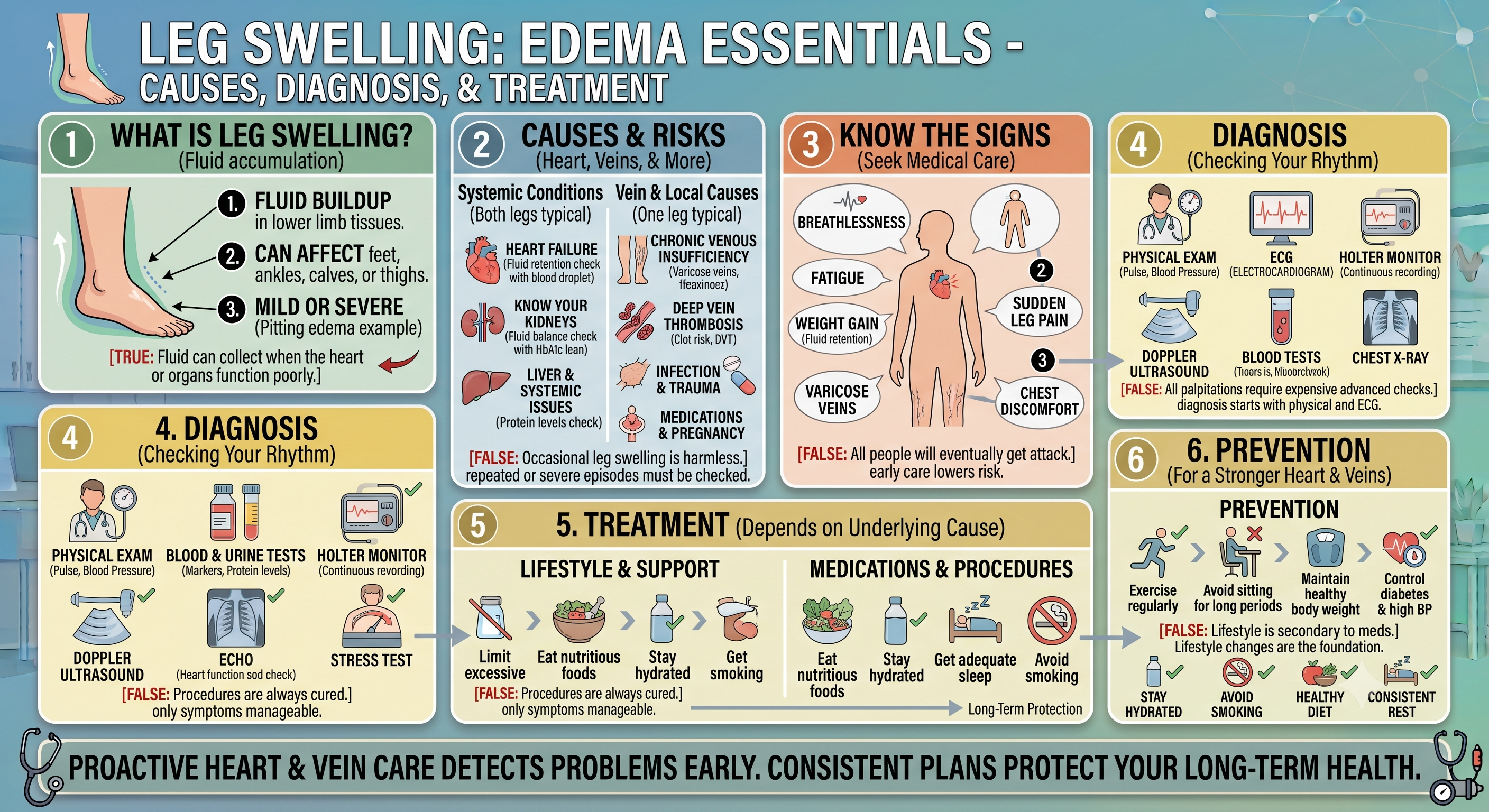
- Leg swelling
- Extreme fatigue
- Fever
9. When Is Breathlessness an Emergency?
Seek immediate medical care if breathlessness:
- Starts suddenly and is severe
- Occurs with chest pain
- Develops during or after a suspected heart attack
- Causes fainting or confusion
- Is associated with blue lips, fingers, or skin
- Occurs after an injury
- Becomes rapidly worse
Sudden breathing difficulty may indicate a life-threatening condition and requires urgent medical attention.
10. Risk Factors for Breathlessness
Factors that increase the likelihood of developing breathlessness include:
- Smoking
- Heart disease
- High blood pressure
- Diabetes
- Obesity
- Asthma or chronic lung disease
- Family history of heart disease
- Older age
- Lack of physical activity
11. Diagnosis of Breathlessness
Doctors determine the underlying cause through a combination of medical history, physical examination, and diagnostic tests.
11.1 Physical Examination
The doctor may assess:
- Breathing pattern
- Oxygen levels
- Heart rate
- Lung sounds
- Signs of fluid retention
11.2 Oxygen Saturation Test
A pulse oximeter measures the oxygen level in the blood.
11.3 Chest X-ray
A chest X-ray helps identify:
- Lung infections
- Fluid buildup
- Lung abnormalities
- Heart enlargement
11.4 Electrocardiogram (ECG)
An ECG detects:
- Heart rhythm abnormalities
- Signs of heart strain
- Previous heart damage
11.5 Echocardiogram
An echocardiogram evaluates:
- Heart pumping function
- Heart valves
- Heart structure
11.6 Blood Tests
Blood tests may identify:
- Anaemia
- Infection
- Heart-related biomarkers
11.7 Lung Function Tests
Pulmonary function tests assess lung performance and help diagnose conditions such as asthma and COPD.
11.8 CT Scan
A CT scan provides detailed images to evaluate:
- Lung diseases
- Pulmonary embolism
- Other chest abnormalities
12. Treatment of Breathlessness
Treatment depends on the underlying cause.
12.1 Treatment for Heart-Related Breathlessness
Management may include:
- Medications to improve heart function
- Diuretics to reduce fluid buildup
- Blood pressure control
- Treatment of blocked coronary arteries
- Heart valve repair or replacement when required
12.2 Treatment for Lung Conditions
Treatment may include:
- Inhalers for asthma or COPD
- Antibiotics for bacterial infections
- Oxygen therapy when needed
- Pulmonary rehabilitation
12.3 Lifestyle Management
Helpful lifestyle measures include:
- Regular physical activity as recommended
- Maintaining a healthy body weight
- Avoiding smoking
- Eating a balanced diet
- Managing stress
- Following prescribed treatment plans
13. Prevention of Breathlessness
Many causes of breathlessness can be reduced through healthy lifestyle habits.
Preventive Measures:
- Avoid tobacco and second-hand smoke.
- Maintain healthy blood pressure and cholesterol levels.
- Manage diabetes effectively.
- Exercise regularly.
- Maintain a healthy weight.
- Eat a nutritious diet.
- Attend regular medical check-ups.
- Properly manage existing heart and lung conditions.
14. Frequently Asked Questions (FAQs)
14.1 Is Breathlessness Always a Sign of Heart Disease?
No. Breathlessness can result from lung diseases, anxiety, anaemia, obesity, poor fitness, and many other conditions. However, heart-related causes should always be considered, especially in people with cardiovascular risk factors.
14.2 Why Do I Feel Breathless While Lying Down?
Breathlessness when lying flat may occur because fluid accumulates in the lungs, commonly seen in heart failure.
14.3 Can Anxiety Cause Shortness of Breath?
Yes. Anxiety and panic attacks can trigger rapid breathing and the sensation of not getting enough air. Nevertheless, serious medical conditions should always be excluded.
14.4 When Should I Worry About Breathlessness?
Seek medical attention if breathlessness is:
- Sudden
- Severe
- Persistent
- Worsening
- Associated with chest pain, fainting, or blue lips
14.5 Can Exercise Improve Breathlessness?
Yes. Regular, appropriate exercise can improve physical fitness and breathing capacity. However, individuals with new or unexplained breathlessness should consult a healthcare professional before starting an exercise programme.
15. Conclusion
Breathlessness is a common symptom that can range from a temporary response to physical exertion to a sign of a serious heart or lung disorder. Identifying the underlying cause is essential for effective treatment and prevention of complications.
Early medical evaluation, healthy lifestyle choices, proper management of existing medical conditions, and regular health check-ups can significantly improve breathing and overall well-being.
Key Takeaway:
Never ignore persistent, unexplained, or sudden breathlessness. Early diagnosis and timely medical care can help identify serious conditions, improve breathing, and protect your long-term heart and lung health.