1. Introduction
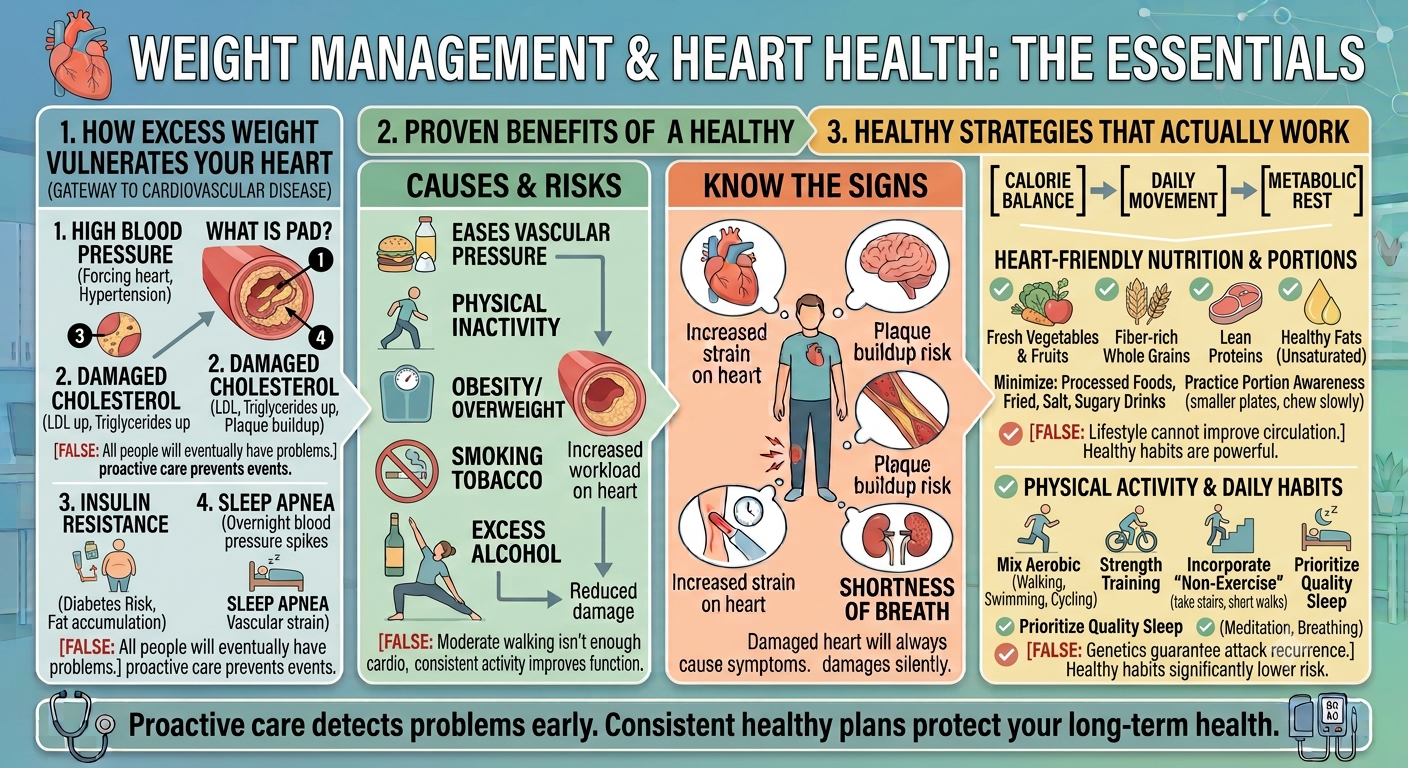
Maintaining a healthy weight is one of the most important steps toward protecting your heart and improving overall health. Excess body weight increases the workload on the heart and raises the risk of several conditions, including high blood pressure, diabetes, high cholesterol, coronary artery disease, and heart failure.
Weight management is not only about losing weight. It involves maintaining a healthy balance between nutrition, physical activity, metabolism, and lifestyle habits.
A sustainable approach to weight management can improve heart function, reduce cardiovascular risk factors, and support a healthier quality of life.
2. Why Is Weight Management Important for Heart Health?
The heart continuously pumps blood throughout the body. Excess body weight can increase the amount of work the heart needs to perform.
Maintaining a healthy weight helps:
- Reduce strain on the heart
- Improve blood pressure control
- Maintain healthy cholesterol levels
- Improve blood sugar regulation
- Reduce inflammation
- Lower the risk of heart disease
Even a modest reduction in body weight can provide meaningful benefits for cardiovascular health.
3. How Does Excess Weight Affect the Heart?
3.1 Increased Workload on the Heart
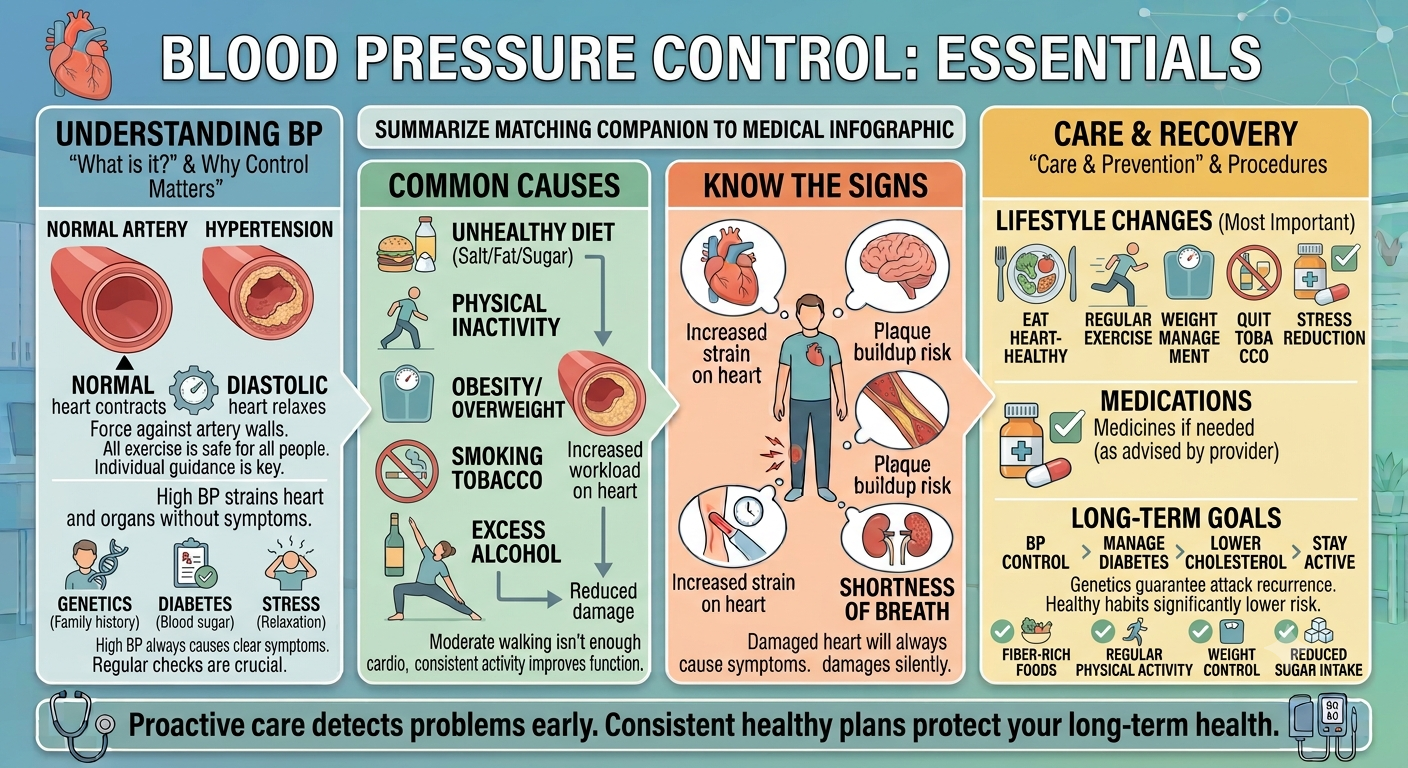
When body weight increases, the heart needs to pump blood to a larger amount of tissue. This increased workload may contribute to changes in heart structure and function.
3.2 High Blood Pressure
Excess weight increases the risk of hypertension. High blood pressure forces the heart to work harder and may damage blood vessels over time.
3.3 High Cholesterol Levels
Obesity is often associated with unhealthy cholesterol levels, including:
- Increased LDL cholesterol ("bad cholesterol")
- Reduced HDL cholesterol ("good cholesterol")
- Higher triglyceride levels
These changes can contribute to plaque buildup in arteries.
3.4 Increased Risk of Diabetes
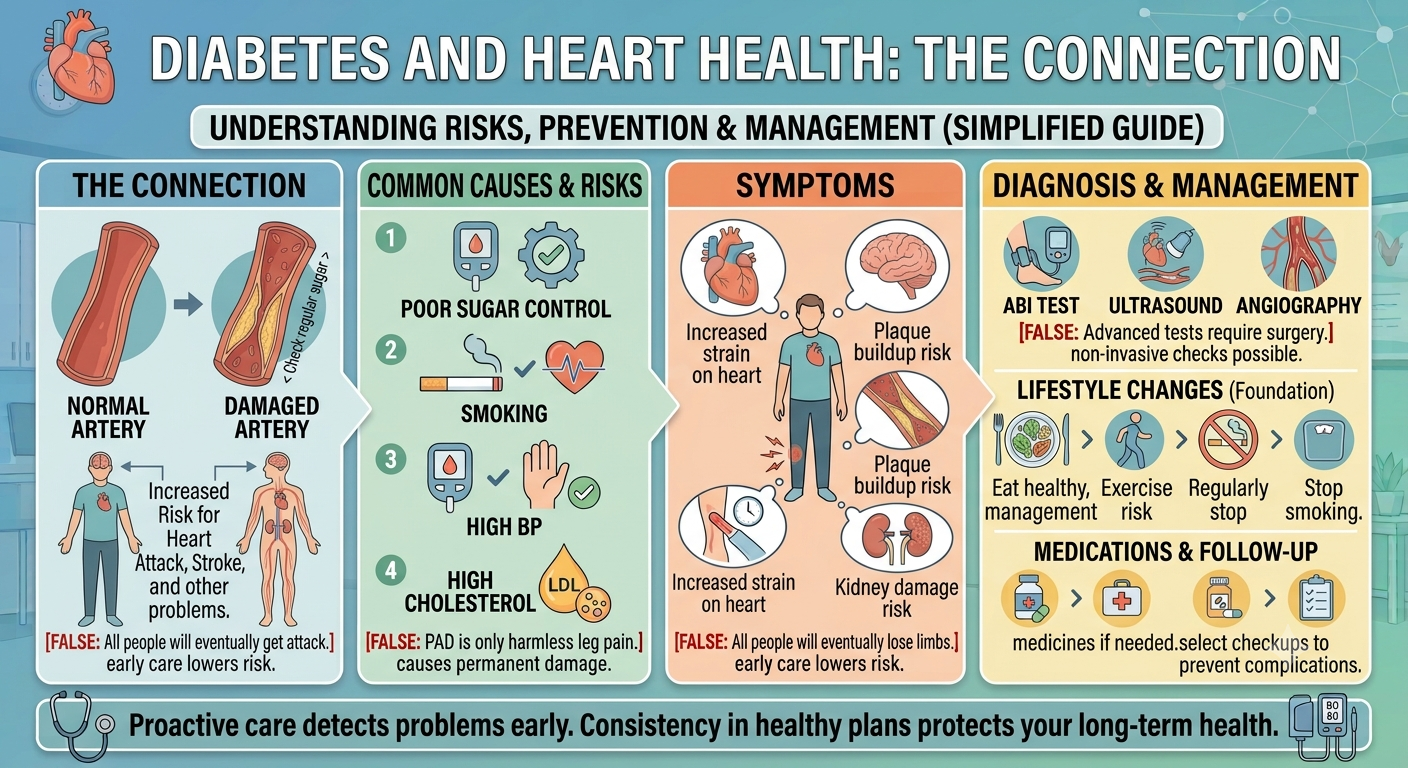
Excess body fat can reduce the body's ability to use insulin effectively, leading to insulin resistance and increasing the risk of type 2 diabetes.
Diabetes is a major risk factor for heart disease.
3.5 Sleep Problems
Obesity increases the risk of sleep disorders such as obstructive sleep apnoea, which can affect blood pressure and heart health.
4. Understanding Healthy Weight
Healthy weight depends on several factors, including:
- Height
- Age
- Body composition
- Muscle mass
- Overall health condition
Body Mass Index (BMI) is commonly used as one measure to assess weight status, but it should be interpreted along with other health factors.
Your healthcare provider can help determine a healthy weight goal based on your individual needs.
5. Benefits of Maintaining a Healthy Weight
5.1 Better Blood Pressure Control
Weight management can help reduce pressure on blood vessel walls and improve circulation.
5.2 Improved Cholesterol Profile
Healthy weight management supports better levels of cholesterol and triglycerides.
5.3 Better Blood Sugar Control
Maintaining a healthy weight improves insulin sensitivity and reduces diabetes risk.
5.4 Reduced Risk of Heart Disease
Healthy weight reduces the likelihood of developing:
- Coronary artery disease
- Heart attack
- Heart failure
- Stroke
5.5 Improved Physical Fitness
A healthy weight makes daily activities easier and improves exercise capacity.
6. Causes of Unhealthy Weight Gain
Weight gain usually occurs due to a combination of lifestyle, environmental, and medical factors.
6.1 Unhealthy Eating Habits
Examples include:
- Excess calorie intake
- Frequent processed foods
- Sugary beverages
- High-fat foods
- Large portion sizes
6.2 Lack of Physical Activity
A sedentary lifestyle reduces calorie expenditure and can contribute to weight gain.
6.3 Stress and Poor Sleep
Stress and inadequate sleep can influence hormones related to hunger and appetite.
6.4 Medical Conditions
Some health conditions and medications may affect body weight.
7. Healthy Strategies for Weight Management
7.1 Follow a Balanced Diet
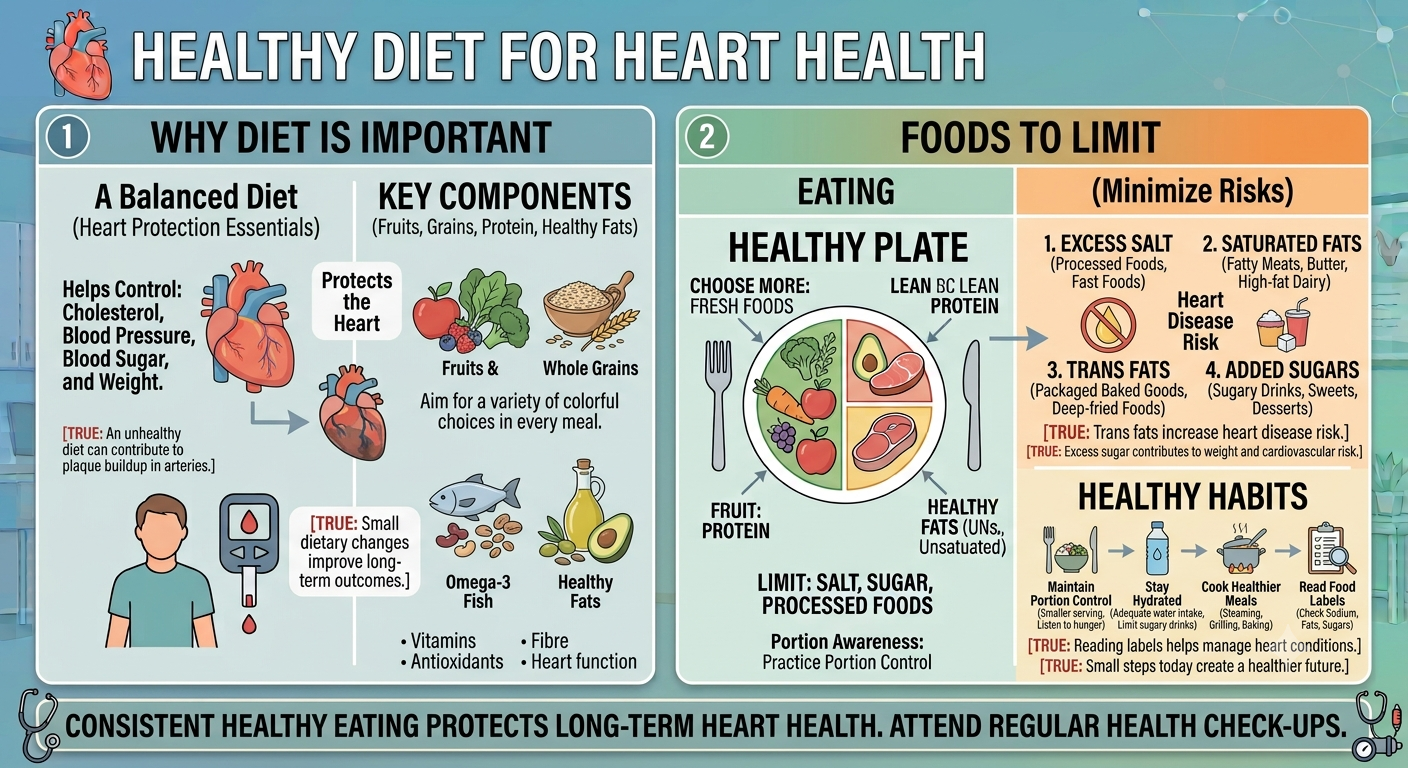
A heart-friendly weight management diet should include:
- Vegetables
- Fruits
- Whole grains
- Pulses and legumes
- Lean proteins
- Healthy fats
Limit:
- Processed foods
- Excess sugar
- Fried foods
- Trans fats
- Excess salt
7.2 Practice Portion Control
Eating healthy foods in appropriate quantities is important for maintaining calorie balance.
Helpful tips:
- Use smaller plates
- Avoid eating while distracted
- Eat slowly
- Pay attention to hunger signals
7.3 Exercise Regularly
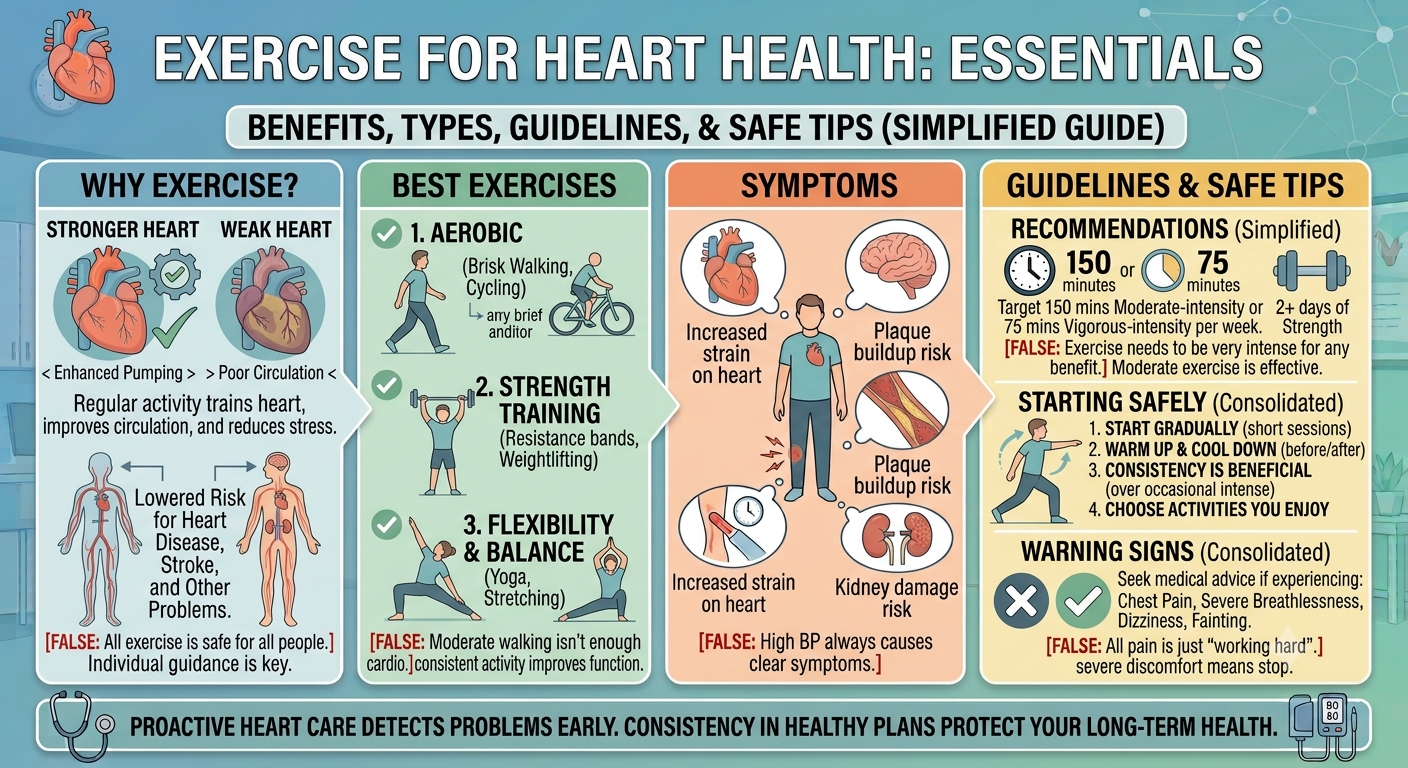
Physical activity helps burn calories, strengthen the heart, and improve metabolism.
Recommended activities include:
- Brisk walking
- Cycling
- Swimming
- Jogging
- Strength training
- Yoga
Aim for regular exercise according to your fitness level and medical condition.
7.4 Stay Active Throughout the Day
Small lifestyle changes can improve daily activity levels:
- Take stairs when possible
- Walk short distances instead of driving
- Avoid prolonged sitting
- Take movement breaks during long periods of sitting
7.5 Get Adequate Sleep
Poor sleep can affect hormones that regulate appetite and may contribute to weight gain.
Adults should aim for consistent, quality sleep as part of a healthy lifestyle.
7.6 Manage Stress
Stress may lead to unhealthy eating habits and weight gain.
Helpful techniques include:
- Meditation
- Breathing exercises
- Yoga
- Relaxation activities
- Spending time with family and friends
8. Weight Management After Heart Disease
People with heart conditions can benefit from maintaining a healthy weight.
Weight management after:
- Heart attack
- Angioplasty
- Bypass surgery
- Heart failure diagnosis
should be done with medical guidance.
A structured plan may include:
- Cardiac rehabilitation
- Diet counselling
- Safe exercise recommendations
- Regular monitoring
9. Weight Management and Diabetes Control
Weight loss and maintaining a healthy weight can improve insulin sensitivity and help manage blood sugar levels.
For people with diabetes, weight management may help:
- Reduce medication requirements in some cases
- Improve blood glucose control
- Lower cardiovascular risk
10. Role of Medical Support in Weight Management
Some people may require professional guidance, especially those with:
- Severe obesity
- Heart disease
- Diabetes
- Hormonal disorders
- Difficulty achieving weight goals through lifestyle changes
Healthcare professionals may provide:
- Personalised diet plans
- Exercise recommendations
- Medical evaluation
- Weight management treatments when appropriate
11. Common Mistakes to Avoid During Weight Management
Avoid:
- Crash diets
- Skipping meals frequently
- Extreme exercise without preparation
- Unverified weight-loss products
- Focusing only on weight instead of overall health
Long-term healthy habits are more effective than short-term approaches.
12. Frequently Asked Questions About Weight Management and Heart Health
12.1 Can Losing Weight Improve Heart Health?
Yes. Weight reduction can improve blood pressure, cholesterol, blood sugar control, and reduce stress on the heart.
12.2 How Much Weight Loss Is Beneficial for Heart Health?
Even a small reduction in body weight can improve cardiovascular risk factors, especially in people who are overweight.
12.3 Is Exercise Alone Enough for Weight Loss?
Exercise is important, but successful weight management usually requires a combination of physical activity, healthy eating, adequate sleep, and lifestyle changes.
12.4 Can Overweight People Prevent Heart Disease?
Yes. Managing weight along with controlling blood pressure, cholesterol, blood sugar, and avoiding smoking can significantly reduce heart disease risk.
12.5 What Is the Best Diet for Weight Management and Heart Health?
A diet rich in vegetables, fruits, whole grains, lean proteins, and healthy fats is generally recommended.
13. Conclusion
Weight management plays a vital role in protecting heart health and preventing cardiovascular disease. Excess weight increases the risk of conditions that affect the heart, but healthy lifestyle changes can significantly improve overall well-being.
A balanced diet, regular exercise, good sleep, stress management, and consistent healthy habits are the foundation of successful weight management.
Taking small steps every day can help maintain a healthier weight, strengthen the heart, and support a longer, healthier life.