1. Introduction
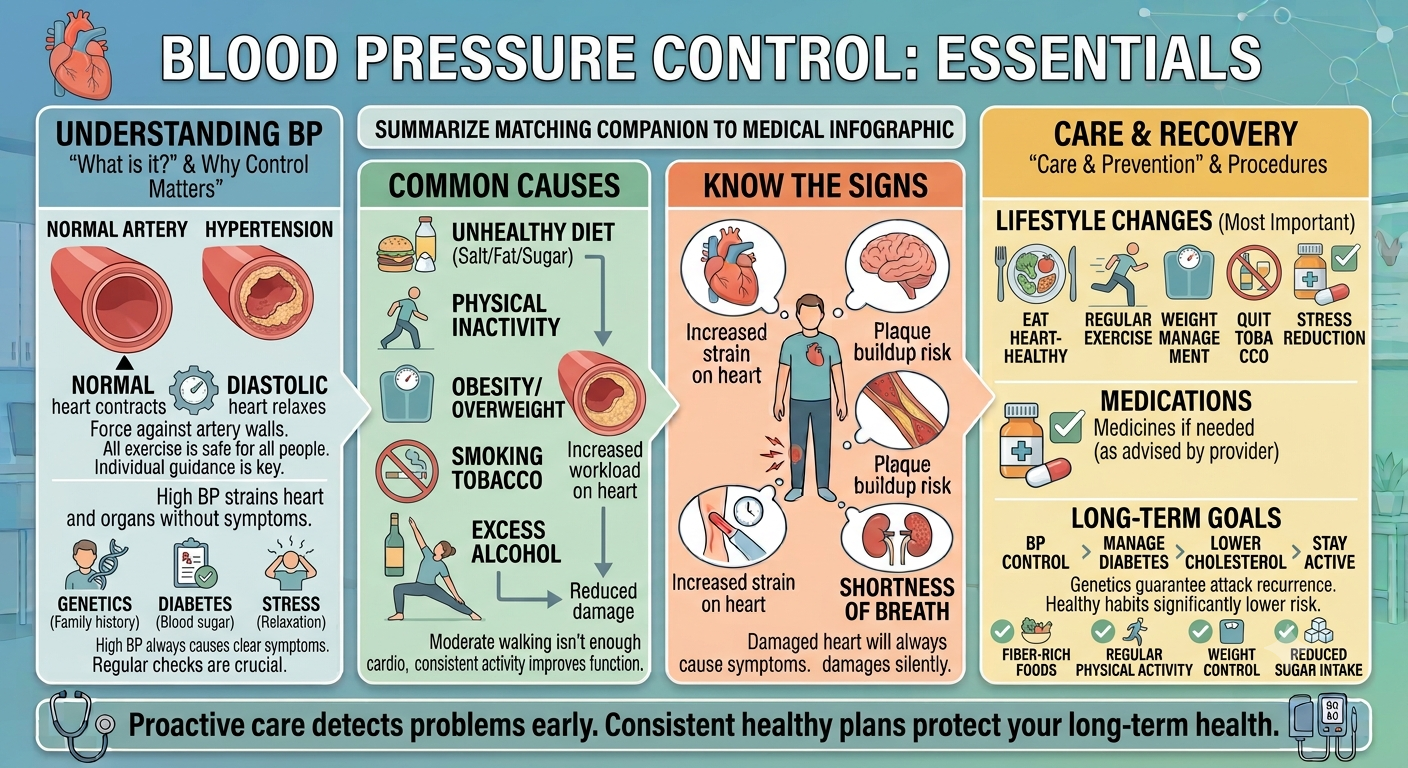
Blood pressure is one of the most important indicators of cardiovascular health. It measures the force with which blood pushes against the walls of arteries as the heart pumps blood throughout the body.
Maintaining healthy blood pressure is essential because uncontrolled high blood pressure, also known as hypertension, can gradually damage the heart, blood vessels, kidneys, and other organs.
High blood pressure often develops without noticeable symptoms, which is why it is commonly called a “silent condition.” Regular monitoring and healthy lifestyle choices play a crucial role in preventing complications such as heart attack, stroke, heart failure, and kidney disease.
2. What Is Blood Pressure?
Blood pressure is recorded using two numbers:
2.1 Systolic Blood Pressure
The upper number represents the pressure in the arteries when the heart contracts and pumps blood.
2.2 Diastolic Blood Pressure
The lower number represents the pressure when the heart relaxes between beats.
Blood pressure is measured in millimetres of mercury (mmHg).
A healthy blood pressure level varies depending on age, health conditions, and individual risk factors. Your doctor can help determine the ideal target range for you.
3. Why Is Blood Pressure Control Important?
When blood pressure remains high for a long time, it puts extra strain on the heart and blood vessels.
Poorly controlled blood pressure can lead to:
- Coronary artery disease
- Heart attack
- Heart failure
- Stroke
- Kidney damage
- Vision problems
- Peripheral artery disease
Keeping blood pressure within a healthy range reduces stress on the cardiovascular system and protects long-term health.
4. Causes and Risk Factors of High Blood Pressure
Several factors can increase the risk of developing hypertension.
4.1 Unhealthy Diet
A diet high in:
- Salt
- Processed foods
- Saturated fats
- Excess sugar
can contribute to elevated blood pressure.
4.2 Lack of Physical Activity
A sedentary lifestyle can increase the risk of:
- Weight gain
- High blood pressure
- Heart disease
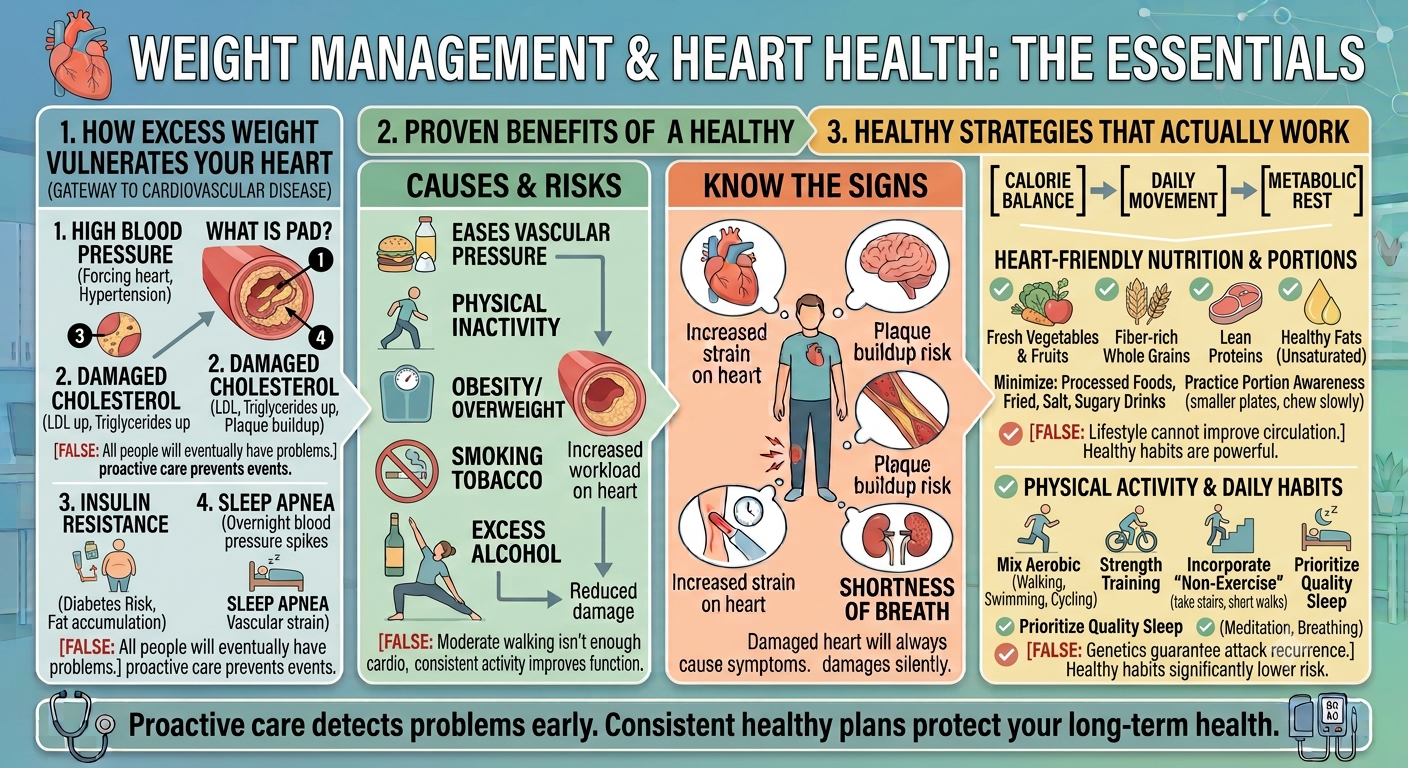
4.3 Overweight and Obesity
Excess body weight increases the workload on the heart and can raise blood pressure.
4.4 Stress
Long-term stress may contribute to unhealthy blood pressure levels through hormonal changes and lifestyle habits.
4.5 Smoking
Smoking damages blood vessels and increases the risk of cardiovascular complications.
4.6 Excess Alcohol Intake
Heavy alcohol consumption can increase blood pressure and affect heart health.
4.7 Family History and Age
Genetics and increasing age can influence the risk of hypertension.
4.8 Medical Conditions
Certain conditions may contribute to high blood pressure, including:
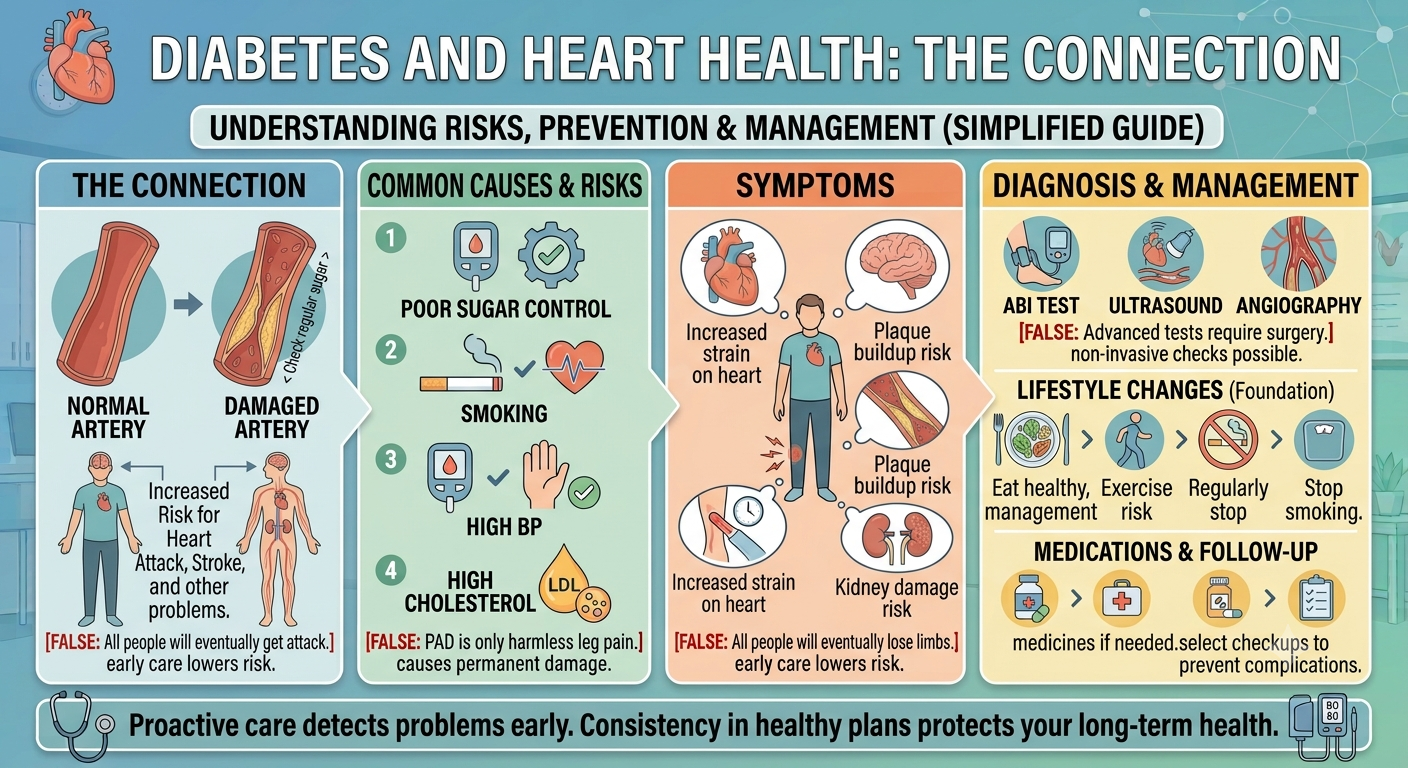
- Diabetes
- Kidney disease
- Thyroid disorders
- Sleep apnoea
5. Symptoms of High Blood Pressure
Most people with hypertension do not experience symptoms.
When blood pressure becomes extremely high, some people may experience:
- Severe headache
- Chest pain
- Shortness of breath
- Dizziness
- Blurred vision
- Confusion
Regular blood pressure checks are the only reliable way to detect hypertension early.
6. How to Control Blood Pressure Naturally
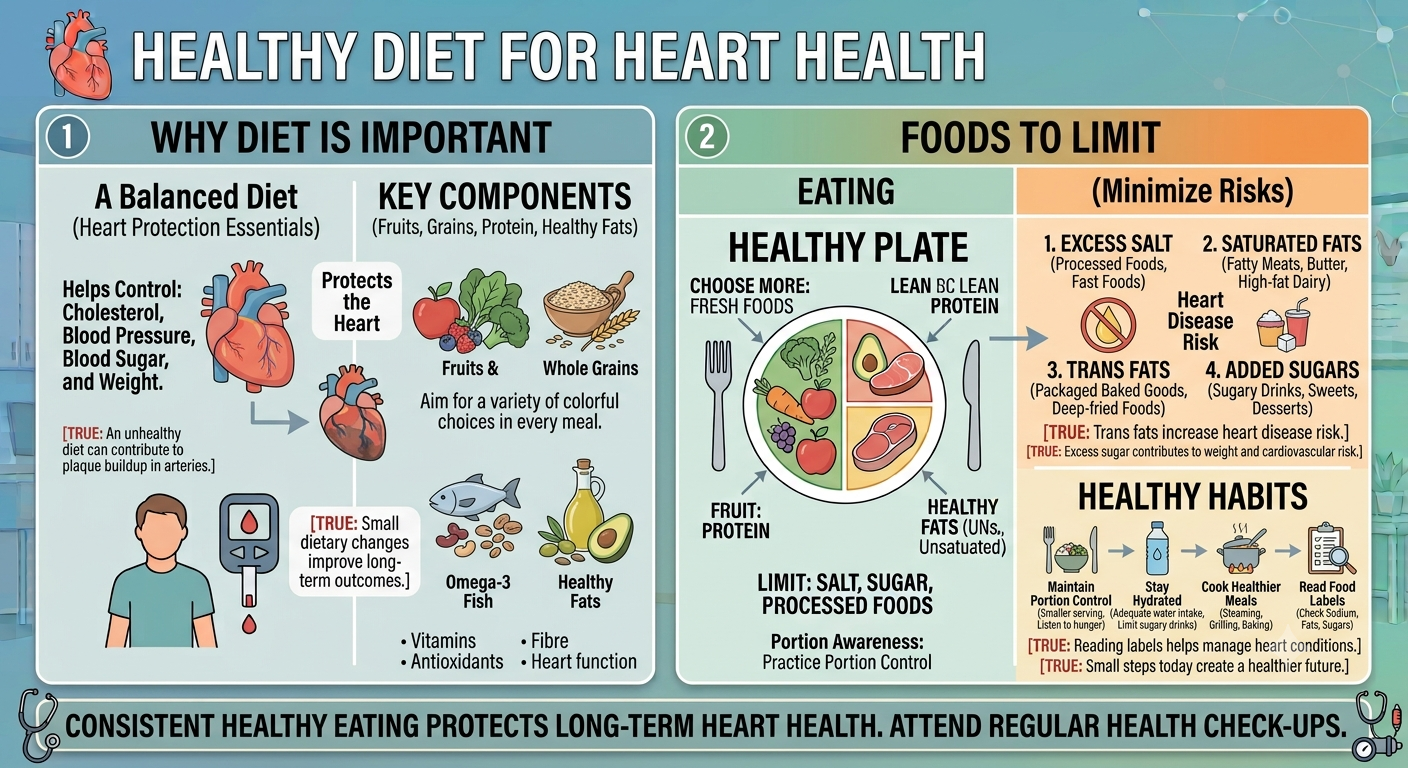
6.1 Follow a Heart-Healthy Diet
A balanced diet is one of the most effective ways to manage blood pressure.
Include:
- Fruits and vegetables
- Whole grains
- Pulses and legumes
- Nuts and seeds
- Low-fat dairy products
- Lean protein sources
Reduce:
- Salt intake
- Fried foods
- Processed foods
- Sugary beverages
The DASH (Dietary Approaches to Stop Hypertension) eating pattern is commonly recommended for blood pressure management.
6.2 Reduce Salt Intake
Excess sodium causes the body to retain water, increasing blood volume and raising blood pressure.
Tips to reduce salt:
- Avoid adding extra salt at the table
- Limit packaged snacks
- Choose fresh foods
- Read food labels carefully
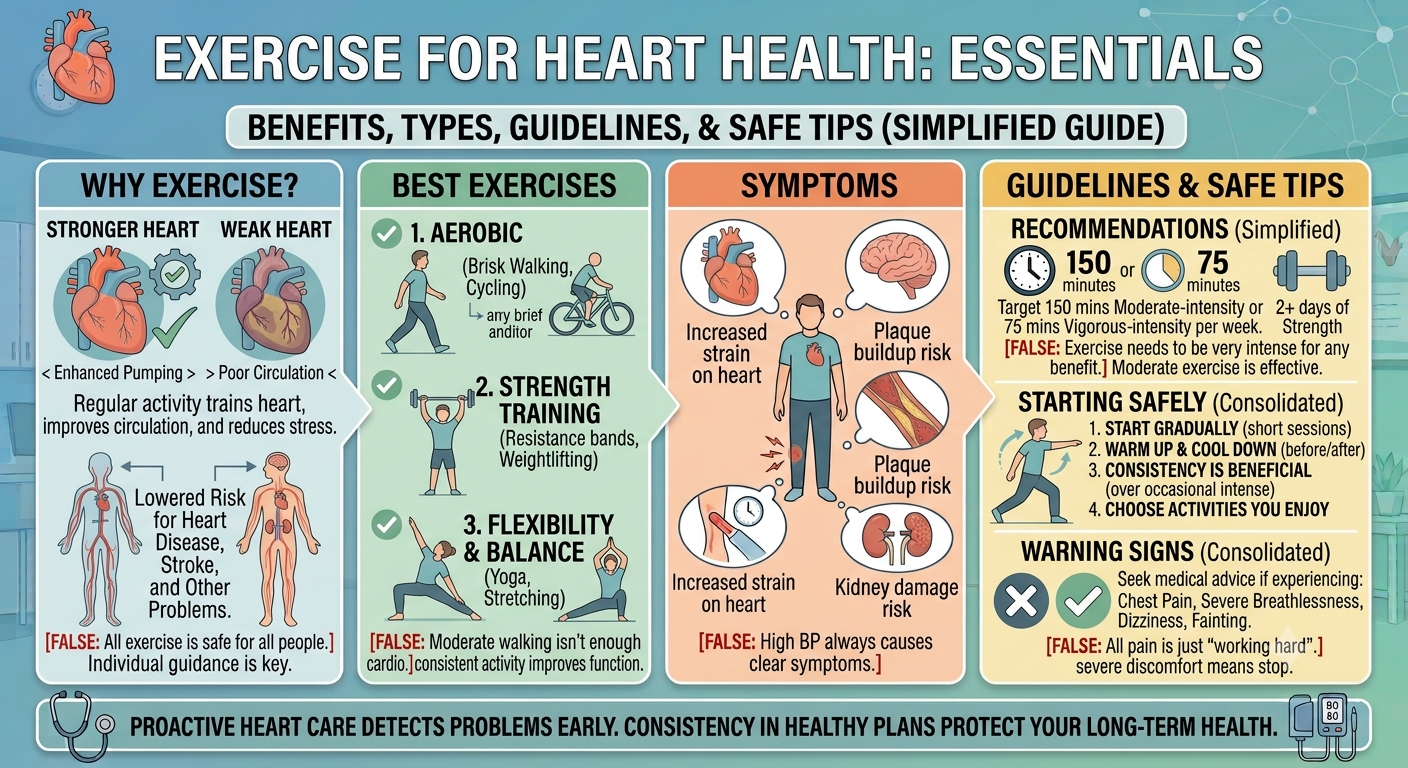
6.3 Exercise Regularly
Physical activity strengthens the heart and improves blood vessel function.
Recommended activities include:
- Brisk walking
- Cycling
- Swimming
- Yoga
- Strength training
Aim for regular exercise as advised by your healthcare provider.
6.4 Maintain a Healthy Weight
Weight reduction can significantly improve blood pressure levels in people who are overweight.
Healthy weight management includes:
- Balanced nutrition
- Regular exercise
- Portion control
- Long-term lifestyle changes
6.5 Manage Stress
Chronic stress may negatively affect blood pressure.
Helpful stress management techniques include:
- Meditation
- Breathing exercises
- Yoga
- Relaxation techniques
- Adequate sleep
6.6 Quit Smoking
Smoking causes blood vessel damage and increases the risk of heart disease.
Stopping smoking improves circulation and supports better cardiovascular health.
6.7 Limit Alcohol Consumption
Excess alcohol can increase blood pressure and reduce the effectiveness of some medications.
Follow your doctor’s advice regarding alcohol intake.
7. Monitoring Blood Pressure at Home
Regular monitoring helps understand blood pressure patterns.
Tips for accurate measurement:
- Rest for a few minutes before checking
- Sit comfortably with your back supported
- Keep your arm at heart level
- Avoid caffeine or exercise immediately before measurement
- Record readings for your doctor
8. Blood Pressure Control Through Medicines
Some people may require medication to control blood pressure, especially when lifestyle changes alone are not enough.
Common groups of blood pressure medicines include:
- ACE inhibitors
- Angiotensin receptor blockers (ARBs)
- Calcium channel blockers
- Diuretics
- Beta-blockers
Medicines should be taken exactly as prescribed. Do not stop or change medication without medical advice.
9. Blood Pressure and Heart Health
High blood pressure increases the workload on the heart. Over time, this may cause:
9.1 Heart Enlargement
The heart muscle may become thicker due to increased workload.
9.2 Heart Failure
A weakened heart may struggle to pump blood effectively.
9.3 Coronary Artery Disease
High blood pressure can damage arteries and increase plaque formation.
9.4 Stroke Risk
Damaged blood vessels increase the risk of blood clots or bleeding in the brain.
10. Blood Pressure Control After Heart Disease
Patients with:
- Heart attack history
- Angioplasty or bypass surgery
- Heart failure
- Diabetes
need careful blood pressure management.
A personalised target and treatment plan should be followed under medical supervision.
11. Frequently Asked Questions About Blood Pressure Control
11.1 What is the best way to control blood pressure naturally?
A healthy diet, regular exercise, weight management, reduced salt intake, stress control, and avoiding smoking are key steps.
11.2 How often should blood pressure be checked?
The frequency depends on your health status. People with hypertension may need regular monitoring as advised by their doctor.
11.3 Can high blood pressure be cured permanently?
Hypertension can often be controlled effectively through lifestyle changes and medicines, but ongoing monitoring is usually required.
11.4 Does stress increase blood pressure?
Stress can temporarily increase blood pressure and may contribute to unhealthy habits that affect long-term control.
11.5 Can exercise lower blood pressure?
Yes. Regular physical activity improves heart efficiency and can help reduce blood pressure levels.
12. Conclusion
Blood pressure control is a vital part of preventing heart disease and maintaining overall health. Since hypertension often has no warning signs, regular monitoring and early management are essential.
A heart-healthy diet, regular exercise, maintaining a healthy weight, managing stress, and following prescribed treatments can help keep blood pressure under control and reduce the risk of serious cardiovascular complications.
Small daily changes can make a significant difference in protecting your heart and improving your quality of life.