1. Introduction
Diabetes is a chronic condition that affects how the body processes blood sugar (glucose). While diabetes is commonly associated with blood sugar control, it also has a significant impact on heart health.
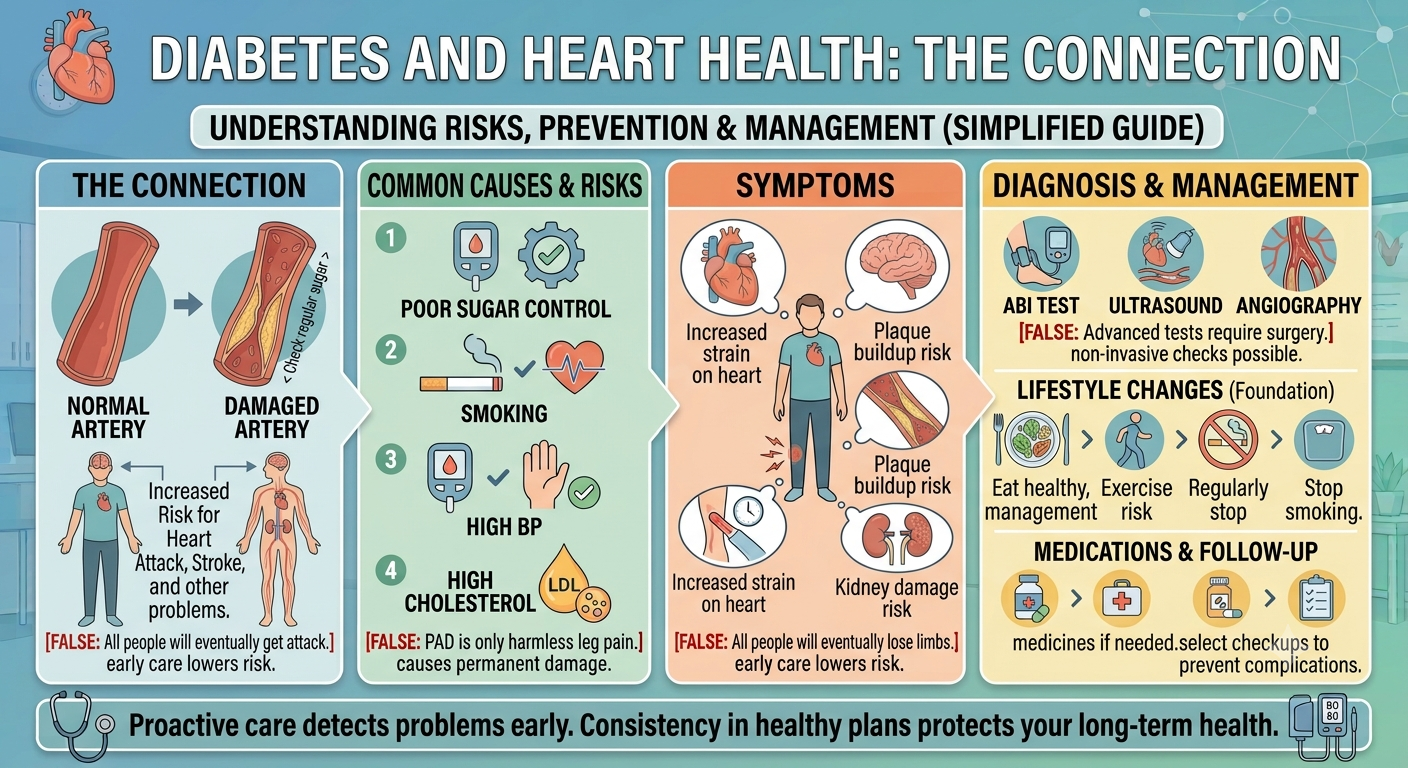
People with diabetes have a higher risk of developing cardiovascular diseases, including coronary artery disease, heart attack, stroke, and heart failure. High blood sugar levels over time can damage blood vessels and affect the normal functioning of the heart.
Understanding the connection between diabetes and heart disease helps individuals take early preventive steps and protect their long-term health.
2. How Does Diabetes Affect the Heart?
When blood glucose levels remain elevated for a prolonged period, excess sugar can damage the lining of blood vessels. This may lead to:
- Inflammation of blood vessels
- Hardening of arteries (atherosclerosis)
- Plaque buildup inside arteries
- Reduced blood flow to the heart
Diabetes often occurs along with other heart disease risk factors such as:
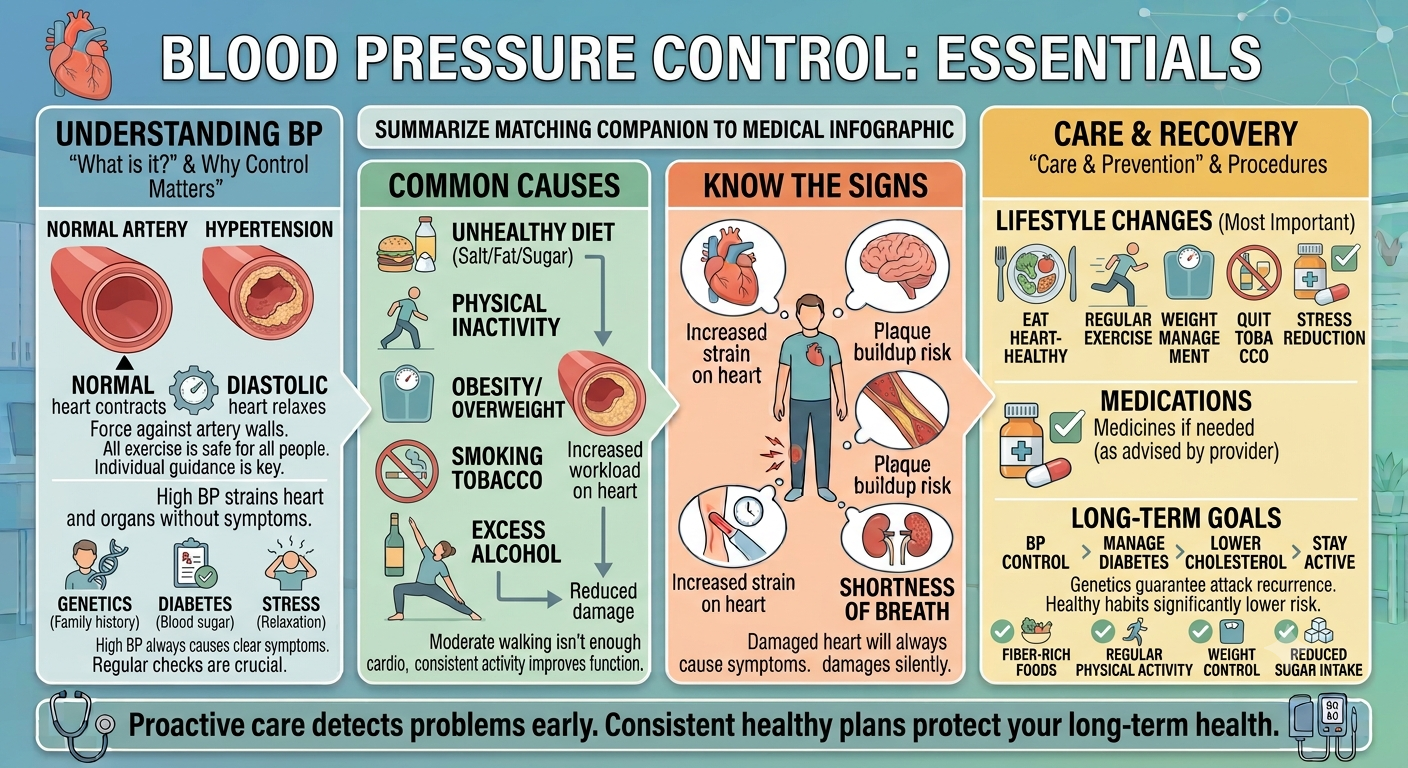
- High blood pressure
- High cholesterol
- Obesity
- Increased triglyceride levels
Together, these conditions increase the risk of cardiovascular complications.
3. Why Are People With Diabetes at Higher Risk of Heart Disease?
3.1 Damage to Blood Vessels
High blood sugar can injure the inner lining of arteries, making them more likely to develop plaque deposits.
3.2 Increased Cholesterol Problems
Diabetes is often associated with:
- Higher LDL cholesterol ("bad cholesterol")
- Lower HDL cholesterol ("good cholesterol")
- Increased triglycerides
This combination increases the risk of artery blockage.
3.3 High Blood Pressure
People with diabetes are more likely to develop hypertension, which increases stress on the heart and blood vessels.
3.4 Increased Inflammation
Chronic inflammation associated with diabetes can contribute to artery damage and cardiovascular disease.
4. Types of Heart Problems Associated With Diabetes
4.1 Coronary Artery Disease
Coronary artery disease occurs when plaque narrows the arteries supplying blood to the heart.
Symptoms may include:
- Chest pain
- Breathlessness
- Fatigue
In some cases, people with diabetes may have reduced warning symptoms.
4.2 Heart Attack
A blocked coronary artery can stop blood supply to part of the heart muscle, causing a heart attack.
Warning signs may include:
- Chest discomfort
- Sweating
- Shortness of breath
- Nausea
- Pain spreading to the arm, jaw, or back
4.3 Heart Failure
Diabetes can weaken the heart muscle over time and increase the risk of heart failure.
Symptoms may include:
- Breathlessness
- Leg swelling
- Reduced exercise capacity
- Tiredness
4.4 Diabetic Cardiomyopathy
Diabetic cardiomyopathy refers to changes in heart muscle function caused by diabetes, even without significant artery blockage.
5. Symptoms of Heart Disease in People With Diabetes
Heart disease symptoms may sometimes be less noticeable in people with diabetes.
Possible symptoms include:
- Chest pain or discomfort
- Shortness of breath
- Unusual tiredness
- Dizziness
- Palpitations
- Swelling in the legs
- Reduced ability to perform physical activity
Regular screening is important because heart disease can develop silently.
6. Risk Factors for Diabetes-Related Heart Disease
The risk increases with:
- Poor blood sugar control
- High blood pressure
- High cholesterol
- Smoking
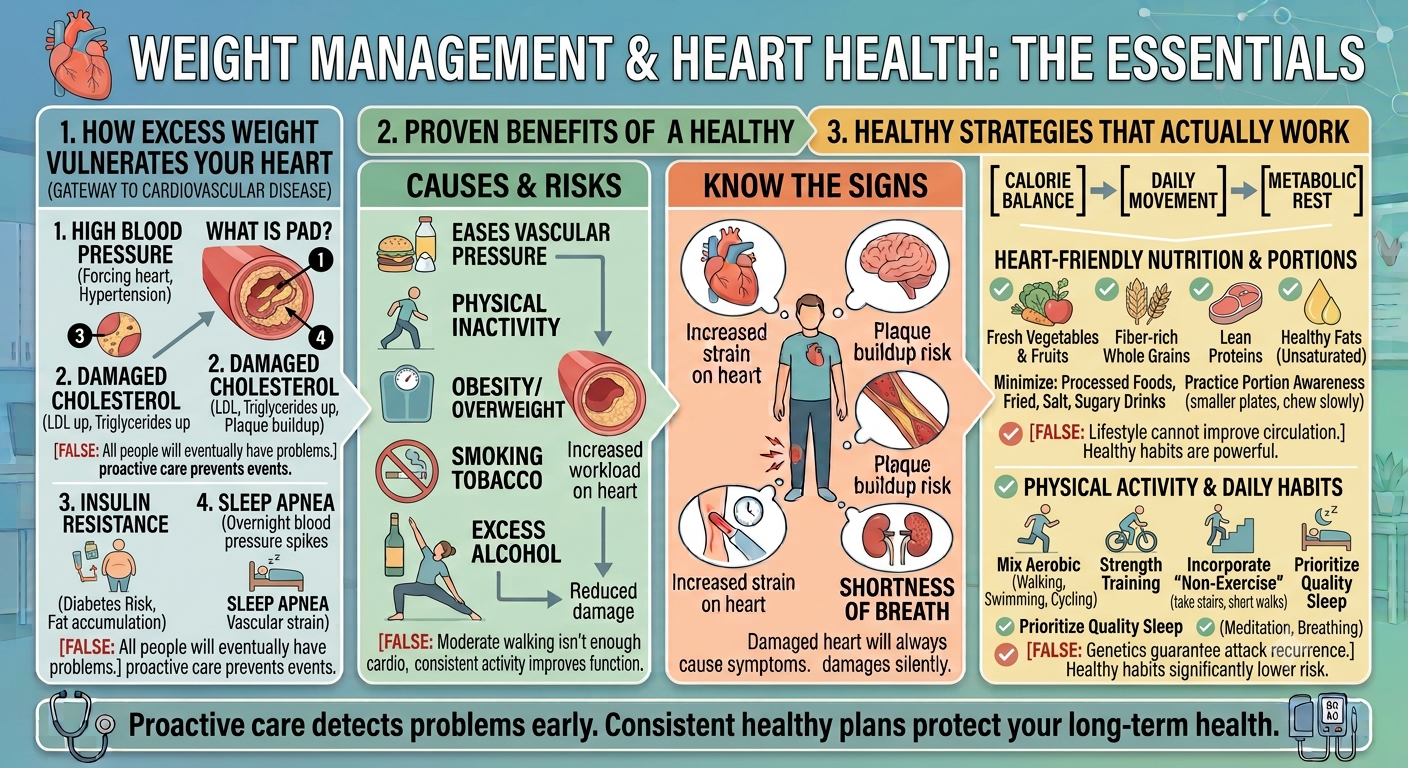
- Excess body weight
- Lack of exercise
- Unhealthy diet
- Family history of heart disease
- Long duration of diabetes
7. How to Protect Your Heart if You Have Diabetes
7.1 Maintain Healthy Blood Sugar Levels
Good diabetes control reduces the risk of blood vessel damage.
Important steps include:
- Regular glucose monitoring
- Following prescribed medications
- Maintaining a balanced diet
- Staying physically active
7.2 Control Blood Pressure
Keeping blood pressure within the recommended range reduces stress on the heart.
Measures include:
- Reducing salt intake
- Exercising regularly
- Taking prescribed medicines when required
7.3 Manage Cholesterol Levels
Healthy cholesterol levels help prevent artery blockage.
Helpful steps include:
- Eating fibre-rich foods
- Limiting unhealthy fats
- Taking cholesterol-lowering medicines if prescribed
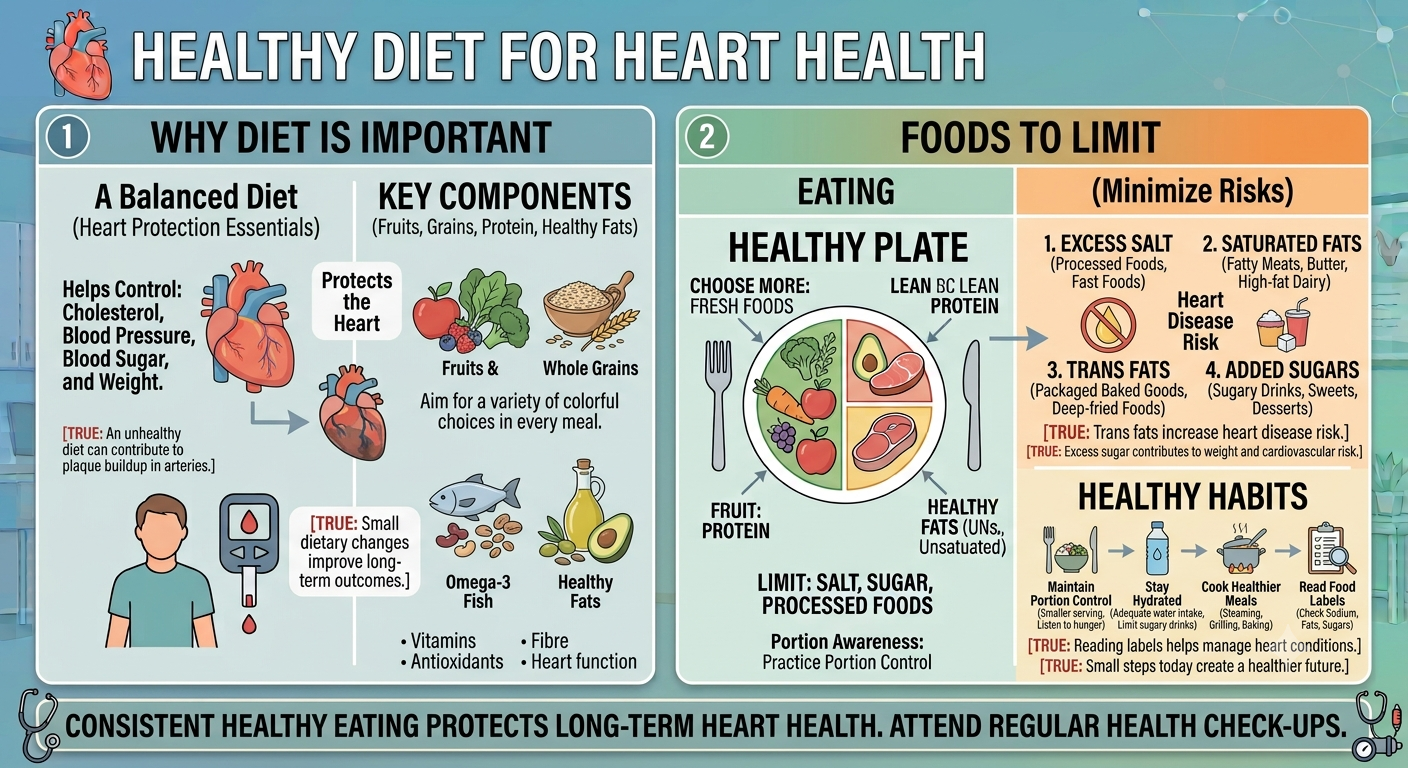
7.4 Follow a Heart-Healthy Diet
A diabetes-friendly heart diet should include:
- Vegetables
- Fruits in appropriate portions
- Whole grains
- Pulses
- Nuts and seeds
- Lean protein
Limit:
- Sugary foods
- Refined carbohydrates
- Fried foods
- Processed foods
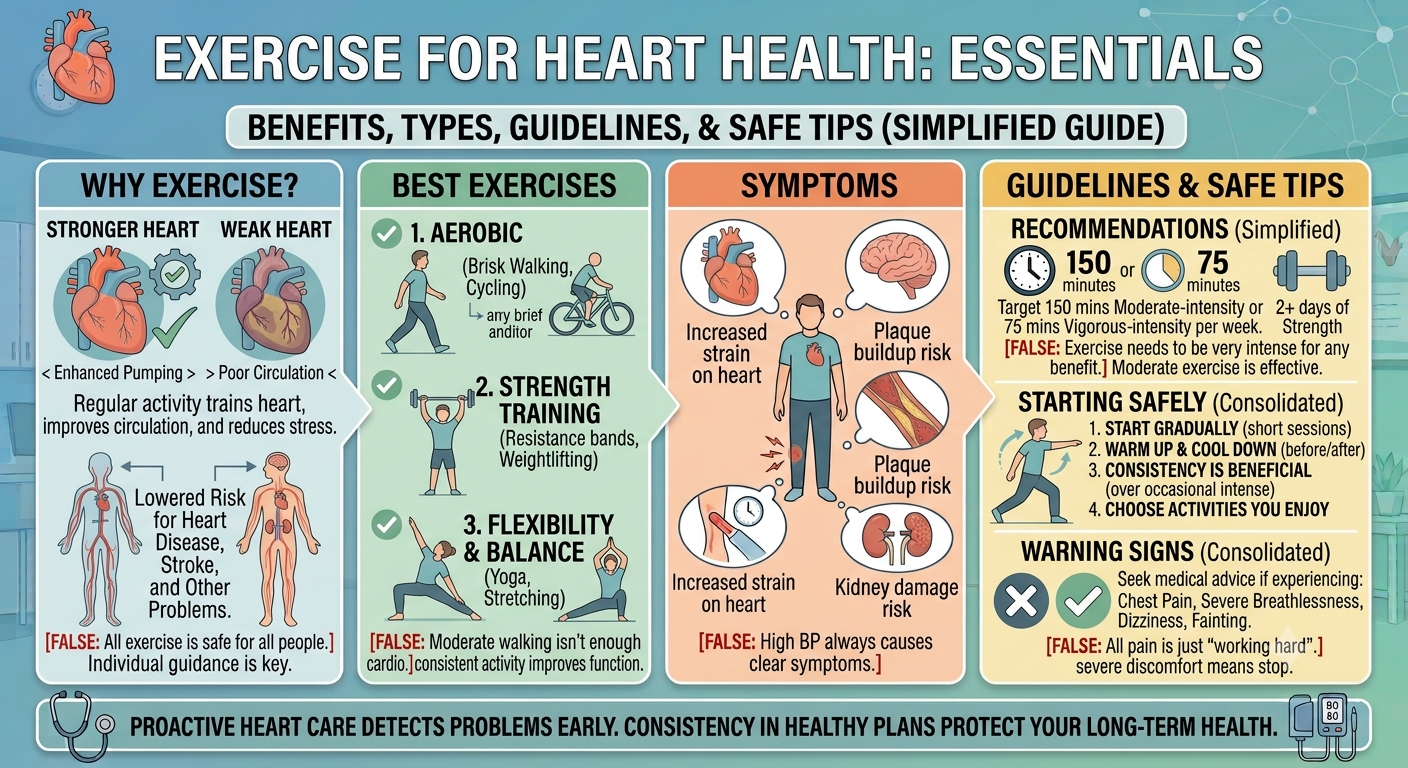
7.5 Exercise Regularly
Physical activity improves:
- Insulin sensitivity
- Blood circulation
- Heart strength
- Weight management
Recommended activities may include:
- Walking
- Cycling
- Swimming
- Strength exercises
People with existing heart conditions should follow exercise advice from their doctor.
7.6 Maintain a Healthy Weight
Excess weight increases insulin resistance and adds strain to the heart.
Weight management can improve:
- Blood sugar control
- Blood pressure
- Cholesterol levels
7.7 Stop Smoking
Smoking significantly increases cardiovascular risk, especially in people with diabetes.
Quitting smoking improves:
- Blood vessel health
- Oxygen supply
- Heart function
8. Heart Screening for People With Diabetes
Regular health checks help detect heart problems early.
8.1 Blood Tests
Used to monitor:
- Blood glucose
- HbA1c
- Cholesterol levels
- Kidney function
8.2 Blood Pressure Monitoring
Regular checks help identify hypertension early.
8.3 ECG (Electrocardiogram)
An ECG records the electrical activity of the heart and may detect rhythm problems or signs of heart stress.
8.4 Echocardiography
An echocardiogram evaluates:
- Heart structure
- Pumping function
- Valve function
8.5 Stress Testing
A treadmill test or other stress evaluation may be advised for selected patients.
9. Medicines for Diabetes and Heart Protection
Treatment may include medicines to control:
- Blood sugar
- Blood pressure
- Cholesterol
Some newer diabetes medicines may also provide cardiovascular benefits in selected patients.
Treatment decisions should always be made by a healthcare professional based on individual risk factors.
10. Diabetes and Heart Attack Prevention
Reducing heart attack risk requires controlling multiple factors together:
- Maintain healthy blood sugar
- Control blood pressure
- Manage cholesterol
- Exercise regularly
- Follow a nutritious diet
- Avoid tobacco
- Attend regular medical check-ups
11. When Should a Person With Diabetes Seek Medical Help?
Seek urgent medical attention for:
- New or severe chest pain
- Sudden breathlessness
- Fainting
- Severe weakness
- Sudden sweating with discomfort
- New swelling of legs
12. Frequently Asked Questions About Diabetes and Heart Health
12.1 Does diabetes increase the risk of heart disease?
Yes. Diabetes increases the risk of coronary artery disease, heart attack, stroke, and heart failure.
12.2 Can controlling diabetes prevent heart problems?
Good blood sugar control, along with managing blood pressure and cholesterol, can significantly reduce cardiovascular risk.
12.3 Can a person with diabetes exercise safely?
Most people with diabetes benefit from regular exercise. However, those with heart disease or complications should follow medical guidance.
12.4 What foods are best for diabetes and heart health?
Foods rich in fibre, vegetables, whole grains, lean proteins, and healthy fats are beneficial.
12.5 Why is heart screening important in diabetes?
Heart disease may develop without obvious symptoms in people with diabetes. Regular screening helps detect problems early.
13. Conclusion
Diabetes and heart health are closely connected. High blood sugar levels can gradually damage blood vessels and increase the risk of serious cardiovascular conditions.
The best protection comes from a comprehensive approach: maintaining healthy glucose levels, controlling blood pressure and cholesterol, exercising regularly, eating a balanced diet, and undergoing regular health check-ups.
With early prevention and proper management, people with diabetes can significantly reduce their risk of heart disease and maintain a healthier life.