1. Introduction
The heart requires more oxygen and blood flow when the body is physically active. Some heart problems, especially those related to reduced blood supply to the heart muscle, may not be noticeable when a person is resting.
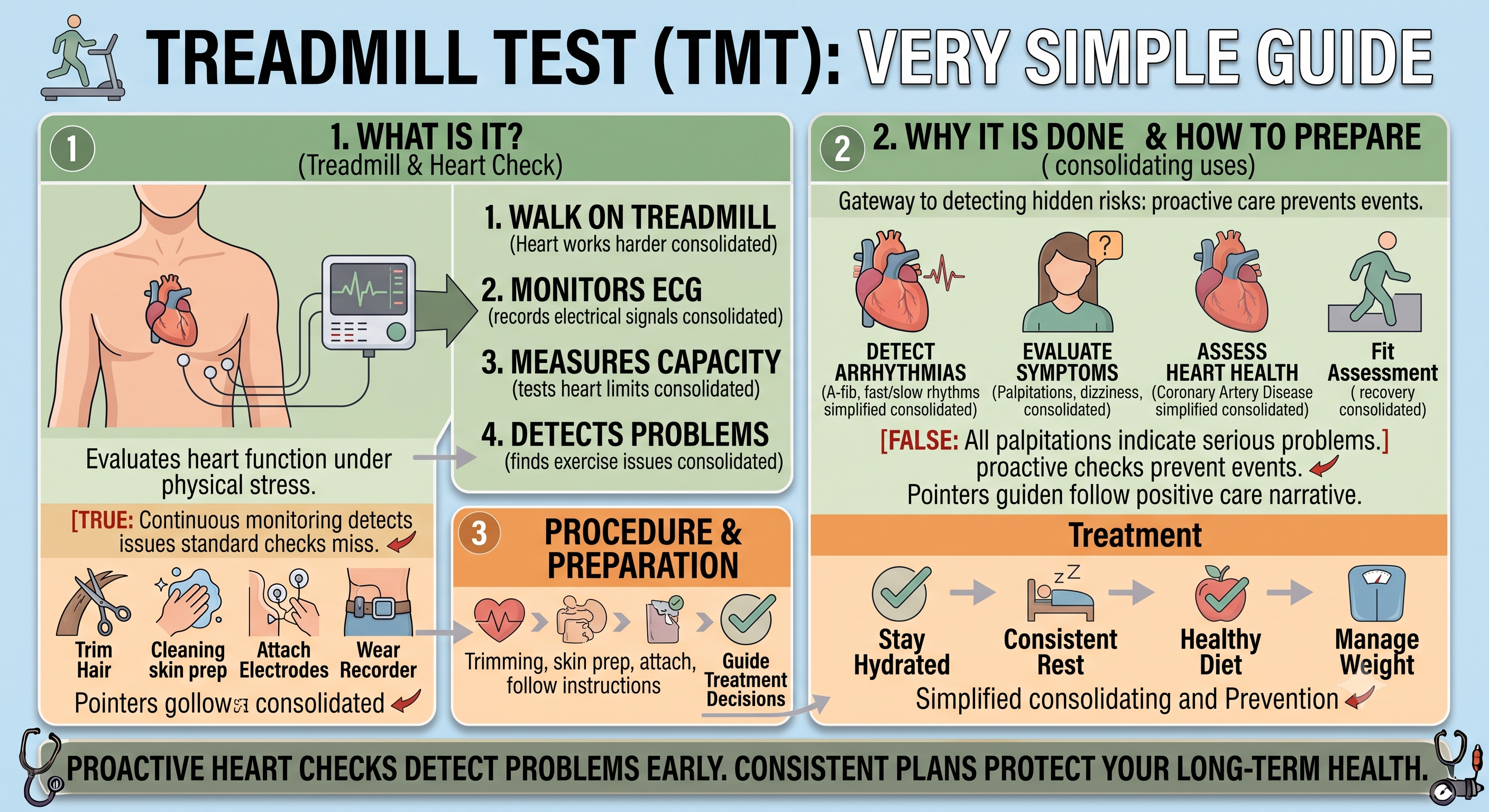
A TMT (Treadmill Test), also known as an Exercise Stress Test, is a cardiac test that evaluates how the heart performs during physical activity. It monitors the heart’s electrical activity, heart rate, blood pressure, and symptoms while the patient exercises on a treadmill.
TMT is commonly used to assess symptoms such as chest pain, breathlessness, dizziness, and reduced exercise tolerance, and to identify possible coronary artery disease.
2. What Is a TMT Test?
A Treadmill Test (TMT) is a non-invasive cardiac evaluation in which a patient walks or runs on a treadmill while connected to an ECG machine.
During exercise, the heart works harder and requires more oxygen. If the blood supply through the heart arteries is reduced due to blockages, changes may appear in the ECG or symptoms may develop.
A TMT helps doctors evaluate:
- Heart rhythm during exercise
- Heart rate response
- Blood pressure response
- Signs of reduced blood supply to the heart
- Exercise capacity
3. Why Is a TMT Test Done?
Doctors recommend a TMT for several reasons.
3.1 Detecting Coronary Artery Disease
The most common use of a TMT is to evaluate whether the heart receives enough blood during physical stress.
It may help identify:
- Narrowing of coronary arteries
- Reduced oxygen supply to heart muscle
- Exercise-induced heart changes
3.2 Evaluating Chest Pain
A TMT may help determine whether chest discomfort is related to the heart, especially when symptoms occur during activity.
3.3 Investigating Breathlessness
Unexplained shortness of breath during exertion may require evaluation of heart function during exercise.
3.4 Assessing Exercise Capacity
A TMT measures how well the heart and body respond to physical activity.
It may be useful for:
- Fitness assessment in selected individuals
- Monitoring recovery after heart procedures
- Evaluating treatment effectiveness
3.5 Detecting Exercise-Induced Arrhythmias
Some abnormal heart rhythms occur only during activity. A TMT can help identify these rhythm changes.
4. Who May Need a TMT Test?
A doctor may recommend a TMT for people with:
- Chest pain or discomfort
- Shortness of breath during exercise
- Abnormal ECG findings
- Risk factors for heart disease
- Previous heart disease
- Diabetes
- High blood pressure
- High cholesterol
- Family history of heart disease
It may also be used before starting certain exercise programs in people with cardiac risk factors.
5. How Is a TMT Test Performed?
5.1 Before the Test
Before undergoing a TMT, the healthcare provider may advise:
- Wearing comfortable walking shoes and loose clothing
- Avoiding heavy meals before the test
- Discussing current medications
- Avoiding caffeine if instructed
Some medications may need adjustment before the test, depending on medical advice.
5.2 During the Test
The procedure includes:
Step 1: ECG Monitoring
Small electrodes are attached to the chest to continuously monitor heart activity.
Step 2: Baseline Measurements
The doctor records:
- Resting heart rate
- Blood pressure
- Resting ECG
Step 3: Exercise Phase
The patient walks on a treadmill.
The treadmill speed and incline gradually increase at regular intervals to make the heart work harder.
During the test, the medical team monitors:
- ECG changes
- Heart rate
- Blood pressure
- Symptoms
Step 4: Recovery Phase
After exercise stops, the heart is monitored during recovery until measurements return closer to normal.
6. How Long Does a TMT Test Take?
A complete TMT usually takes about 30–45 minutes, including preparation, exercise, and recovery monitoring.
The actual exercise period varies depending on the person's fitness level and symptoms.
7. What Does a TMT Test Detect?
A TMT may provide information about several heart conditions.
7.1 Coronary Artery Disease
The test may show signs that suggest reduced blood supply to the heart during exercise.
7.2 Exercise-Induced Chest Pain
Symptoms occurring during exercise may help doctors determine their possible cause.
7.3 Abnormal Heart Rhythms
Some arrhythmias become noticeable only when the heart rate increases.
7.4 Functional Capacity
The test helps assess how much physical activity the heart can tolerate.
8. Understanding TMT Results
A cardiologist interprets TMT results by considering:
8.1 ECG Changes
Certain changes during exercise may indicate reduced oxygen supply to the heart.
8.2 Exercise Duration
The length of time a person can exercise provides information about heart fitness.
8.3 Heart Rate Response
Doctors assess whether the heart rate increases appropriately with exercise.
8.4 Blood Pressure Response
Abnormal increases or drops in blood pressure may require further evaluation.
8.5 Symptoms During Exercise
Chest pain, severe breathlessness, dizziness, or fatigue during the test are important findings.
9. Normal and Abnormal TMT Results
9.1 Normal TMT Result
A normal result generally means there are no significant signs of reduced blood supply during exercise.
However, further testing may sometimes be needed if symptoms continue.
9.2 Abnormal TMT Result
An abnormal result may suggest:
- Possible coronary artery disease
- Exercise-induced rhythm problems
- Reduced exercise tolerance
Doctors may recommend additional tests such as:
- Echocardiography
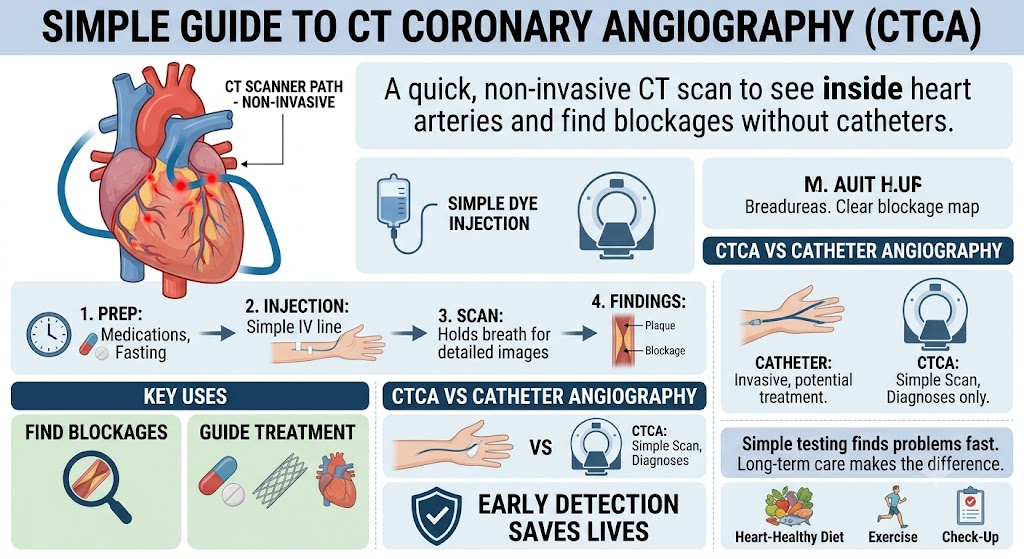
- CT coronary angiography
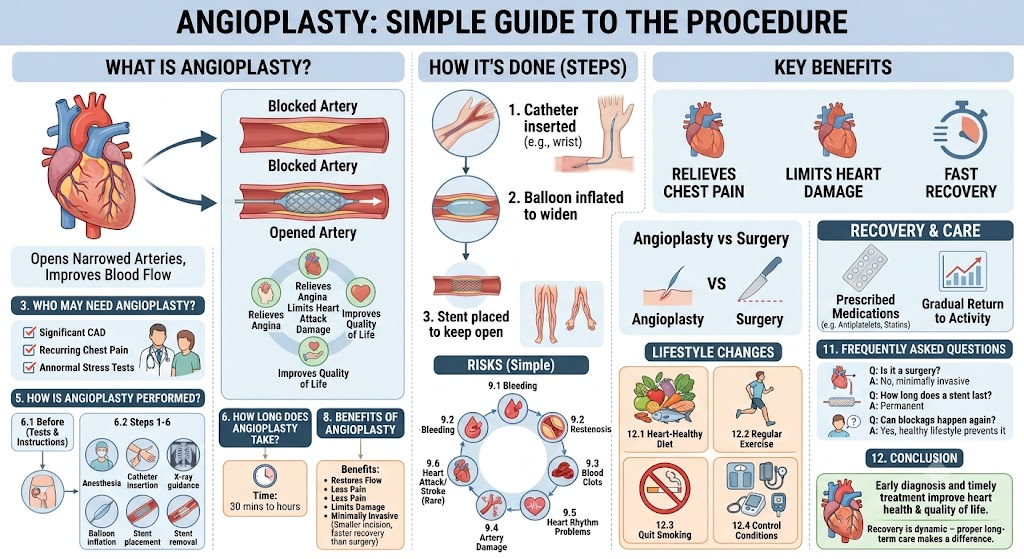
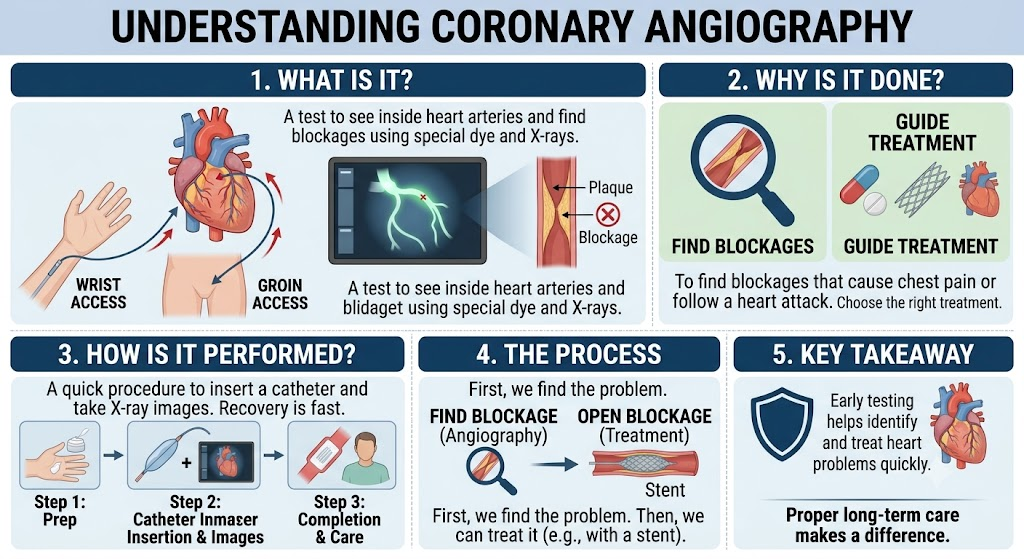
- Coronary angiography
10. Is TMT Test Safe?
Yes, TMT is generally safe when performed under medical supervision.
The patient is continuously monitored, and the test can be stopped if concerning symptoms occur.
Rare risks may include:
- Chest discomfort
- Shortness of breath
- Abnormal heart rhythm
- Very rarely, serious cardiac events
11. When Is a TMT Not Recommended?
A doctor may avoid or postpone a TMT in certain situations, including:
- Recent heart attack
- Uncontrolled heart rhythm problems
- Severe heart failure
- Severe valve disease
- Acute illness
The decision depends on the patient’s overall health condition.
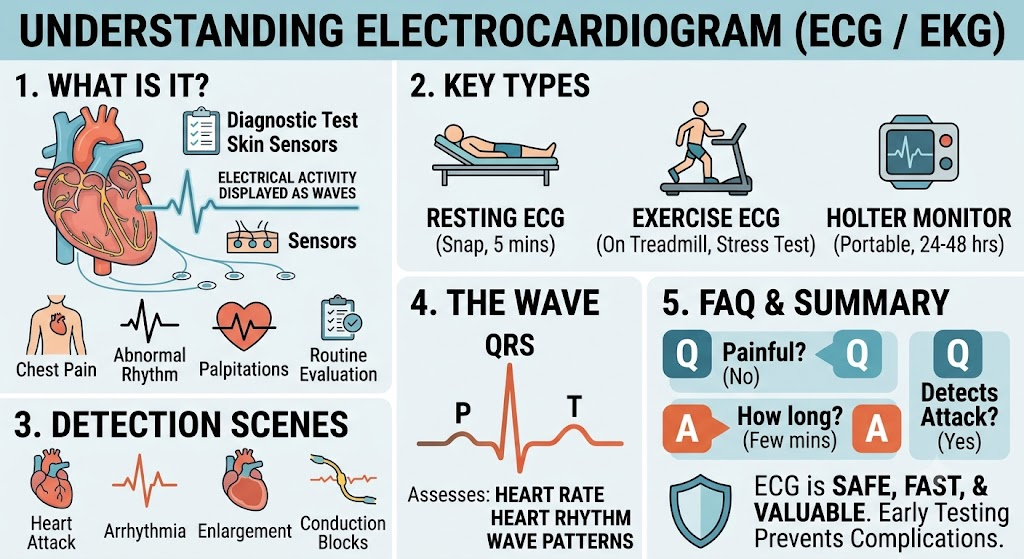
12. Difference Between TMT and ECG
ECGTMTRecords heart activity at rest | Records heart response during exercise
Takes a few minutes | Requires physical activity
Detects resting rhythm abnormalities | Helps identify exercise-related heart problems
No physical stress involved | Heart is tested under stress
13. Difference Between TMT and Echocardiography
An echocardiogram creates images of the heart’s structure and function, while a TMT evaluates how the heart responds to exercise.
In some cases, doctors may combine stress testing with echocardiography for more detailed assessment.
14. How to Prepare for a TMT Test
Helpful preparation steps include:
- Wear comfortable exercise clothing
- Inform the doctor about medications
- Avoid smoking before the test
- Follow fasting instructions if provided
- Inform the healthcare team about any symptoms
15. Frequently Asked Questions About TMT
15.1 Is a TMT test painful?
No. The test is not painful, but you may experience tiredness, increased breathing, sweating, or mild discomfort as your heart rate rises during exercise.
15.2 Can TMT detect heart blockage?
A TMT can suggest reduced blood flow due to possible blockages, but it cannot directly show the location or severity of artery blockages.
15.3 How accurate is a TMT test?
The accuracy depends on several factors, including the patient’s condition and risk factors. Doctors may combine TMT results with other tests for a complete diagnosis.
15.4 Can I eat before a TMT test?
Usually, a light meal may be allowed, but follow the specific instructions provided by your healthcare provider.
15.5 How often should a TMT be done?
The need for repeat testing depends on symptoms, risk factors, and your doctor’s recommendation.
16. Conclusion
A TMT (Treadmill Test) is an important cardiac evaluation that helps assess how the heart responds to physical stress. It plays a valuable role in detecting possible coronary artery disease, evaluating exercise-related symptoms, and monitoring heart health.
If you experience chest pain, breathlessness, dizziness, or unusual fatigue during activity, timely cardiac evaluation can help identify problems early and support appropriate treatment.
Maintaining a heart-healthy lifestyle, controlling risk factors, and undergoing recommended cardiac tests are essential steps toward long-term cardiovascular wellness.