1. Introduction
Cholesterol is often misunderstood as something harmful, but the body actually needs cholesterol to function properly. It plays an important role in building healthy cells, producing hormones, supporting vitamin D formation, and helping digestion.
The concern begins when cholesterol levels become too high, especially LDL cholesterol (low-density lipoprotein), which can accumulate inside blood vessels and increase the risk of heart disease, heart attack, and stroke.
Understanding the causes, symptoms, and treatment options for high cholesterol can help you take timely steps to protect your heart health.
2. What Is High Cholesterol?
High cholesterol, also known as hypercholesterolemia, is a condition where there is too much cholesterol circulating in the blood.
Cholesterol travels through the bloodstream with the help of proteins called lipoproteins. The two main types are:
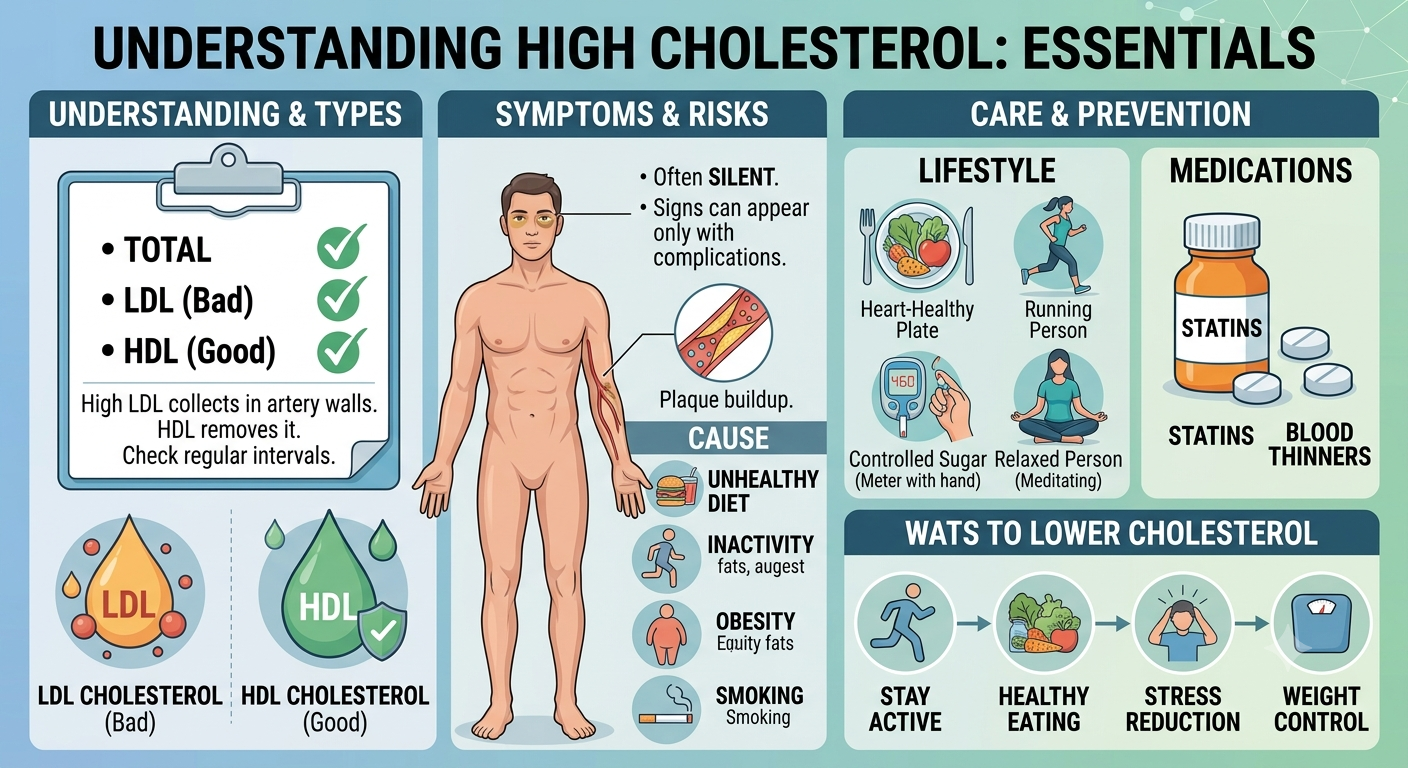
- LDL cholesterol: Known as “bad cholesterol” because excess LDL can collect in artery walls and form plaques.
- HDL cholesterol: Known as “good cholesterol” because it helps remove excess cholesterol and carries it back to the liver for processing.
When LDL levels remain high for a long time, arteries may become narrow and less flexible, reducing blood flow to the heart and other organs.
3. Types of Cholesterol Explained
3.1 LDL Cholesterol (Bad Cholesterol)
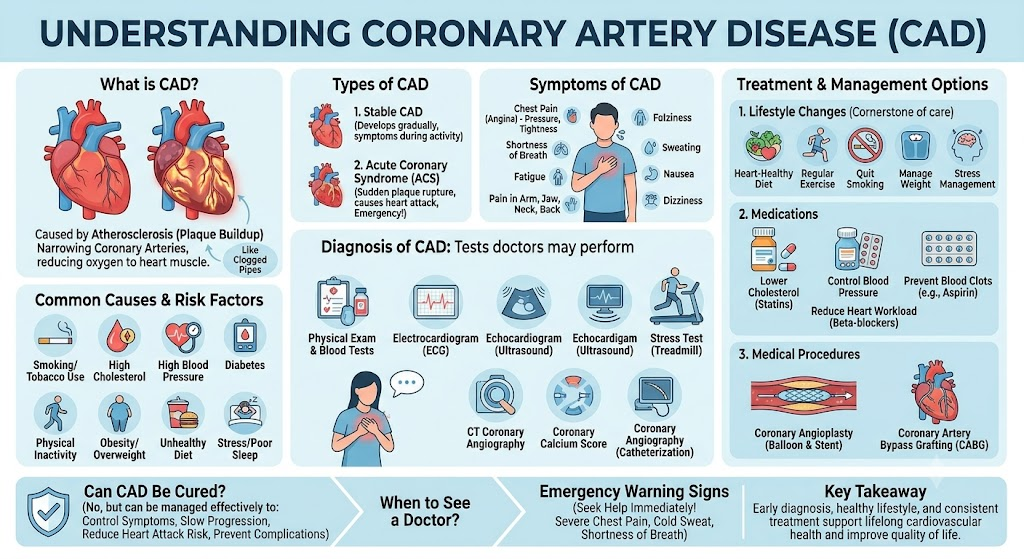
LDL carries cholesterol throughout the body. Too much LDL can cause fatty deposits inside arteries, a condition called atherosclerosis.
Generally:
- Optimal LDL level: Below 100 mg/dL
- Higher levels may increase cardiovascular risk
3.2 HDL Cholesterol (Good Cholesterol)
HDL helps transport excess cholesterol away from arteries and back to the liver.
A higher HDL level is generally associated with better heart protection.
Generally:
- HDL of 45 mg/dL or higher is considered beneficial.
3.3 Triglycerides
Triglycerides are another type of fat found in the blood. High triglyceride levels, especially along with high LDL or low HDL, can increase the risk of cardiovascular problems.
Generally:
- Normal triglycerides: Below 150 mg/dL
4. Symptoms of High Cholesterol
One of the biggest challenges with high cholesterol is that it usually does not cause noticeable symptoms.
Many people discover they have high cholesterol only after a routine blood test.
In some inherited cholesterol disorders, possible signs may include:
- Yellowish fatty deposits around the eyes
- Fatty lumps under the skin near joints, elbows, hands, or feet
- A grey-white ring around the edge of the eye’s cornea
However, most people with high cholesterol feel completely healthy until complications develop.
5. What Causes High Cholesterol?
Several factors can contribute to increased cholesterol levels.
5.1 Unhealthy Diet
A diet high in:
- Saturated fats
- Trans fats
- Processed foods
- Excess sugar
can increase LDL cholesterol levels.
Foods such as fatty meats, fried foods, and some packaged snacks may contribute to unhealthy cholesterol levels when consumed frequently.
5.2 Lack of Physical Activity
Regular exercise helps improve cholesterol balance by increasing HDL cholesterol and supporting healthy weight management.
5.3 Excess Body Weight
Being overweight or obese can increase LDL cholesterol and triglyceride levels while lowering HDL cholesterol.
5.4 Smoking
Smoking can reduce HDL cholesterol and damage blood vessels, increasing the risk of heart disease.
5.5 Genetics
Some people inherit genes that make it difficult for their body to remove LDL cholesterol from the bloodstream.
This condition is known as familial hypercholesterolemia.
5.6 Certain Health Conditions
Medical conditions that may affect cholesterol levels include:
- Diabetes
- Thyroid disorders such as hypothyroidism
- Kidney disease
- Certain hormonal and inflammatory conditions
6. Cholesterol Levels: Understanding Your Report
A lipid profile blood test usually measures:
TestHealthy RangeTotal Cholesterol | Below 200 mg/dL
LDL Cholesterol | Below 100 mg/dL
HDL Cholesterol | 45 mg/dL or higher is generally protective
Triglycerides | Below 150 mg/dL
Your ideal cholesterol target may vary depending on your age, medical history, diabetes status, blood pressure, and heart disease risk.
7. Health Risks of High Cholesterol
When cholesterol builds up in arteries, it can restrict blood flow and increase the risk of:
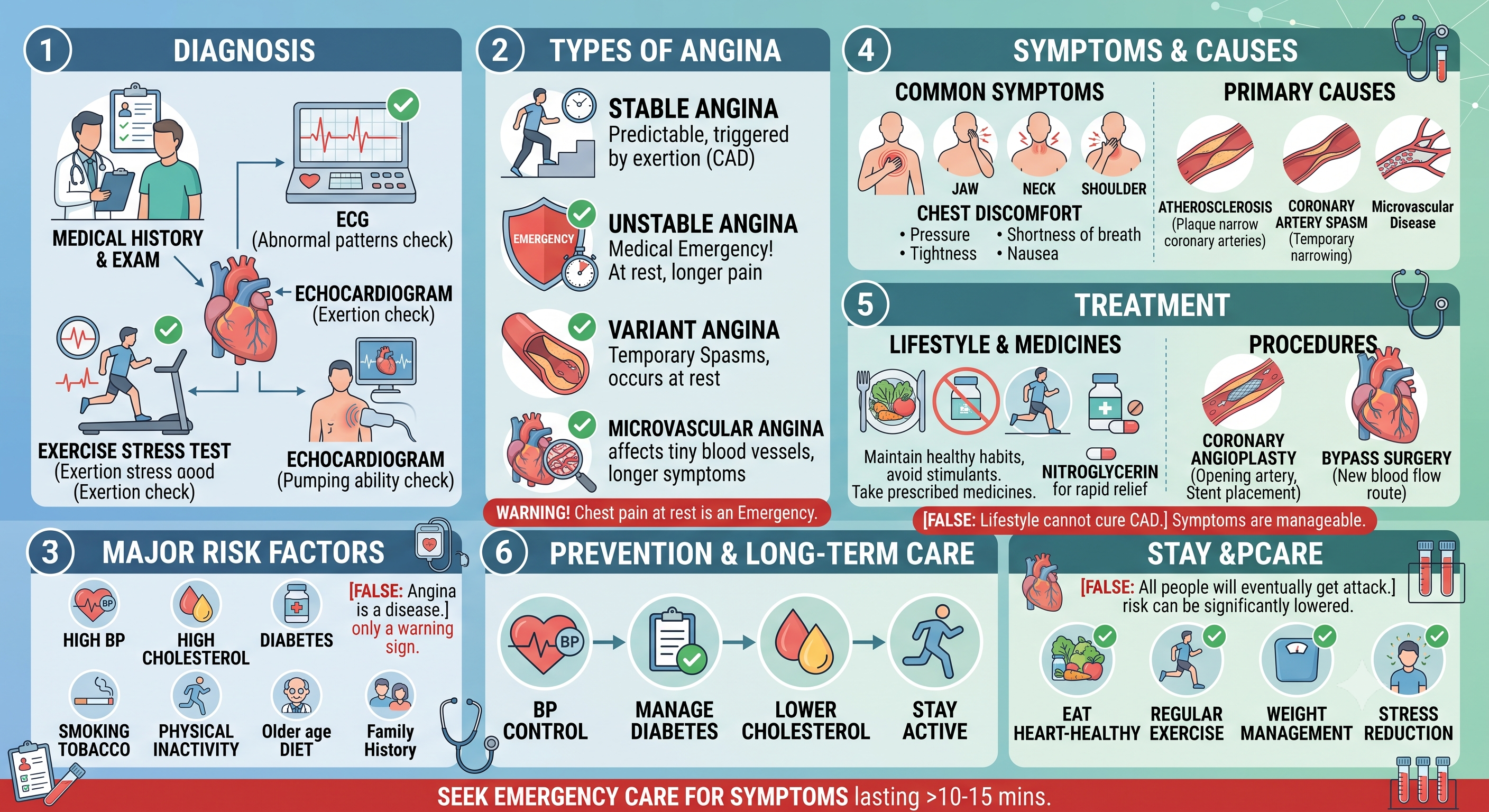
- Coronary artery disease
- Chest pain (angina)
- Heart attack
- Stroke
- Peripheral artery disease
Managing cholesterol early can significantly reduce these risks.
8. How to Lower Cholesterol Naturally
Lifestyle changes play an important role in improving cholesterol levels and protecting heart health.
8.1 Follow a Heart-Healthy Diet
A cholesterol-friendly diet should include:
- Fresh fruits and vegetables
- Whole grains
- Beans and legumes
- Nuts and seeds
- Fish and lean protein sources
Try to reduce:
- Fried foods
- Processed foods
- Excess butter and fatty dairy products
- Foods containing trans fats
Heart-healthy eating patterns such as the Mediterranean diet and DASH diet can support better cholesterol control.
8.2 Exercise Regularly
Aim for at least 150 minutes of moderate physical activity every week.
Helpful activities include:
- Brisk walking
- Cycling
- Swimming
- Jogging
- Strength training
Regular exercise can help increase HDL cholesterol, improve weight control, and support overall cardiovascular health.
8.3 Maintain a Healthy Weight
Even modest weight loss can improve cholesterol levels and reduce strain on the heart.
Maintaining a healthy body weight helps balance LDL cholesterol, HDL cholesterol, and triglyceride levels.
8.4 Quit Smoking
Stopping smoking improves HDL cholesterol levels and lowers cardiovascular risk.
Avoiding tobacco also helps protect blood vessels and reduces the chance of heart disease complications.
8.5 Manage Stress and Sleep Well
Chronic stress and poor sleep may negatively affect heart health.
Helpful habits include:
- Meditation
- Yoga
- Relaxation exercises
- Maintaining a regular sleep schedule
9. When Are Cholesterol Medicines Needed?
Lifestyle changes are the foundation of cholesterol management, but some people may require medication.
Doctors may recommend cholesterol-lowering medicines if:
- LDL cholesterol is extremely high
- You have a history of heart disease
- You have diabetes with increased cardiovascular risk
- You have inherited high cholesterol
- Lifestyle changes alone are not enough
Medication decisions should always be made after discussing your overall heart risk with a healthcare professional.
10. How Often Should You Check Cholesterol?
Adults are generally advised to check cholesterol levels regularly from around age 20.
More frequent testing may be needed if you have:
- Family history of high cholesterol
- Diabetes
- High blood pressure
- Previous heart problems
- Abnormal cholesterol results
Regular cholesterol monitoring helps detect problems early and allows timely treatment.
11. Frequently Asked Questions About High Cholesterol
11.1 Can High Cholesterol Be Cured Permanently?
High cholesterol can often be managed successfully through lifestyle changes, regular monitoring, and medicines when required.
Some genetic conditions may require lifelong management.
11.2 Can a Person Have High Cholesterol Without Symptoms?
Yes. High cholesterol usually does not cause symptoms, which is why regular blood testing is important.
11.3 What Foods Help Reduce Cholesterol?
Foods rich in fibre, such as oats, fruits, vegetables, beans, and whole grains, may help improve cholesterol levels.
Nuts, seeds, and healthy fats can also support heart health.
11.4 Does Exercise Lower Cholesterol?
Yes. Regular physical activity can help increase HDL cholesterol, improve weight control, and support overall cardiovascular health.
11.5 Is High Cholesterol Dangerous?
High cholesterol can become dangerous when it contributes to plaque buildup in arteries, increasing the risk of heart attack and stroke.
12. Conclusion
High cholesterol is a common but manageable health condition. Since it often develops without warning signs, regular cholesterol testing and preventive care are essential.
A balanced diet, regular exercise, maintaining a healthy weight, avoiding smoking, and following medical advice can help control cholesterol levels and protect long-term heart health.
Taking care of your cholesterol today is an important step toward a healthier future.