1. Introduction
Heart disease remains one of the leading health concerns worldwide. Many cardiovascular conditions develop gradually due to a combination of lifestyle habits, medical conditions, and genetic factors.
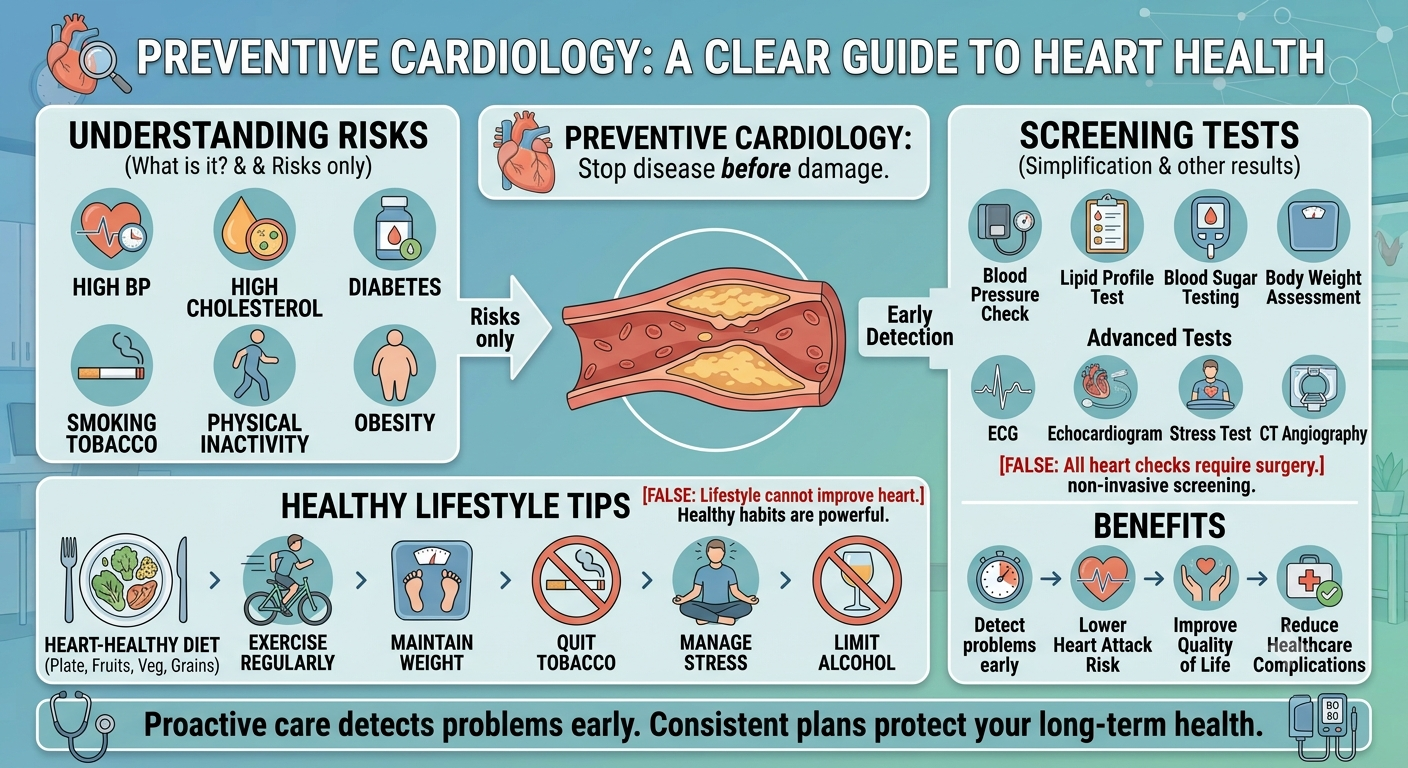
Preventive Cardiology is a specialised branch of cardiology focused on reducing the risk of heart disease before serious complications occur. It involves identifying risk factors early, adopting healthy lifestyle changes, monitoring heart health, and using medical treatments when necessary.
The goal of preventive cardiology is not only to treat existing heart problems but also to help individuals maintain a healthy heart and prevent conditions such as heart attacks, strokes, heart failure, and artery disease.
2. What Is Preventive Cardiology?
Preventive cardiology focuses on preventing cardiovascular diseases by identifying and managing factors that contribute to heart problems.
It Involves:
- Assessing an individual's risk of heart disease.
- Detecting early signs of cardiovascular problems.
- Managing blood pressure, cholesterol, and blood sugar.
- Encouraging healthy lifestyle habits.
- Providing preventive medications when appropriate.
Preventive cardiology is beneficial for both people who have never experienced heart problems and those who already have cardiovascular risk factors.
3. Why Is Preventive Cardiology Important?
Many heart diseases develop silently over several years. Conditions such as high cholesterol, high blood pressure, and early artery narrowing may not cause symptoms until significant damage has occurred.
Benefits of Preventive Cardiology:
- Reduces the risk of heart attacks and strokes.
- Detects cardiovascular risks at an early stage.
- Improves long-term heart health.
- Helps people make informed health decisions.
- Reduces complications associated with heart disease.
Early prevention is essential because many heart disease risk factors can be effectively controlled.
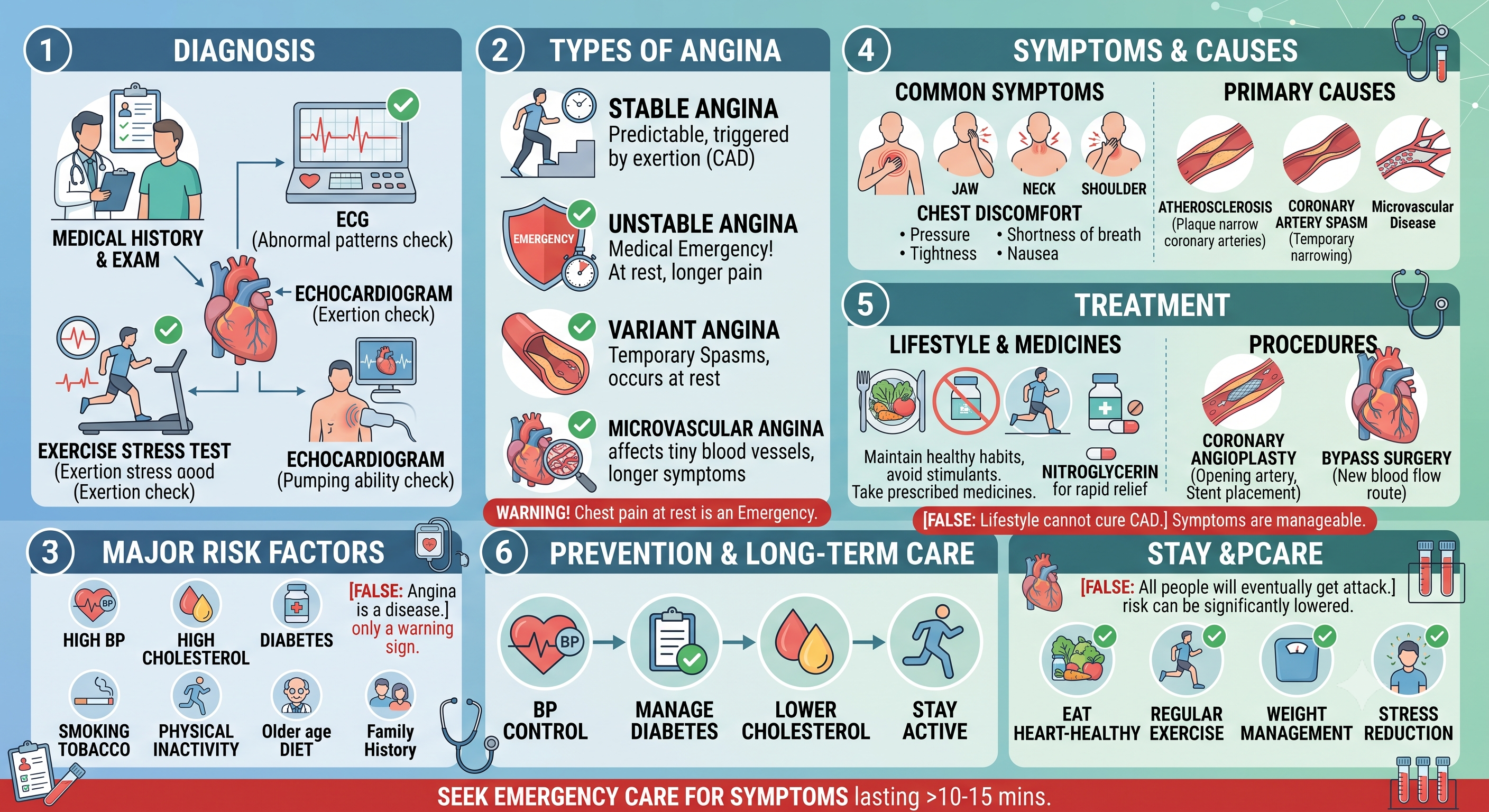
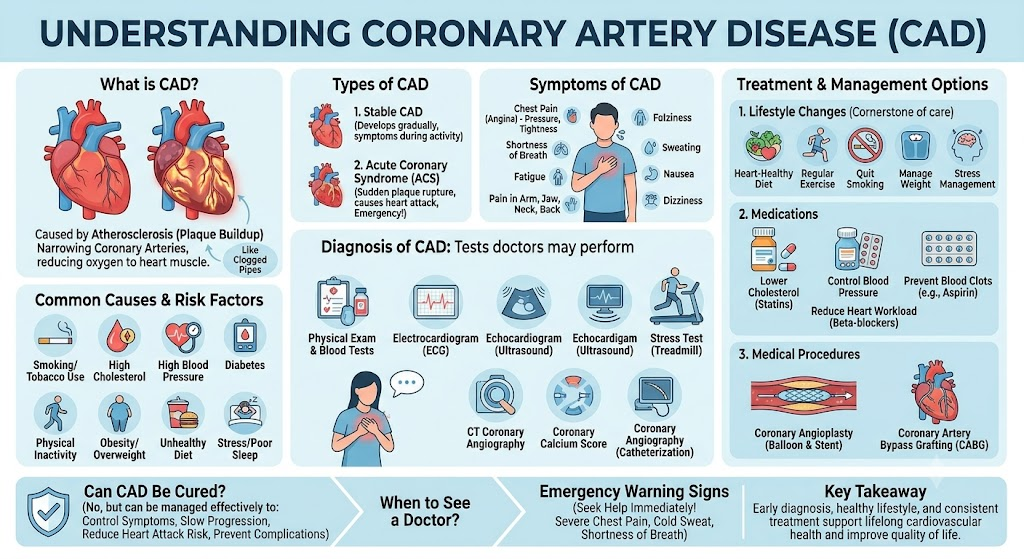
4. Major Risk Factors for Heart Disease
Preventive cardiology focuses on identifying and managing both modifiable and non-modifiable risk factors.
4.1 High Blood Pressure (Hypertension)
High blood pressure increases the workload on the heart and damages blood vessel walls over time.
Uncontrolled Hypertension May Increase the Risk of:
- Heart attack
- Heart failure
- Stroke
- Kidney disease
Regular blood pressure monitoring is an important part of heart disease prevention.
4.2 High Cholesterol
High levels of LDL ("bad") cholesterol can lead to plaque buildup inside arteries.
Managing cholesterol through diet, exercise, and medication when necessary can significantly reduce cardiovascular risk.
4.3 Diabetes
High blood sugar levels damage blood vessels and increase the risk of heart disease.
Good diabetes management plays a vital role in protecting heart health.
4.4 Smoking and Tobacco Use
Smoking damages arteries, reduces oxygen supply, and increases the risk of blood clots.
Quitting tobacco is one of the most effective ways to prevent heart disease.
4.5 Obesity and Excess Weight
Excess body weight contributes to:
- High blood pressure
- Diabetes
- High cholesterol
- Increased strain on the heart
Maintaining a healthy weight supports better cardiovascular health.
4.6 Physical Inactivity
A sedentary lifestyle increases the risk of cardiovascular disease.
Regular physical activity improves:
- Heart strength
- Blood circulation
- Cholesterol levels
- Weight management
4.7 Family History and Genetics
Some individuals have a higher cardiovascular risk because of inherited factors, including a family history of:
- Early heart attacks
- High cholesterol disorders
- Heart muscle diseases
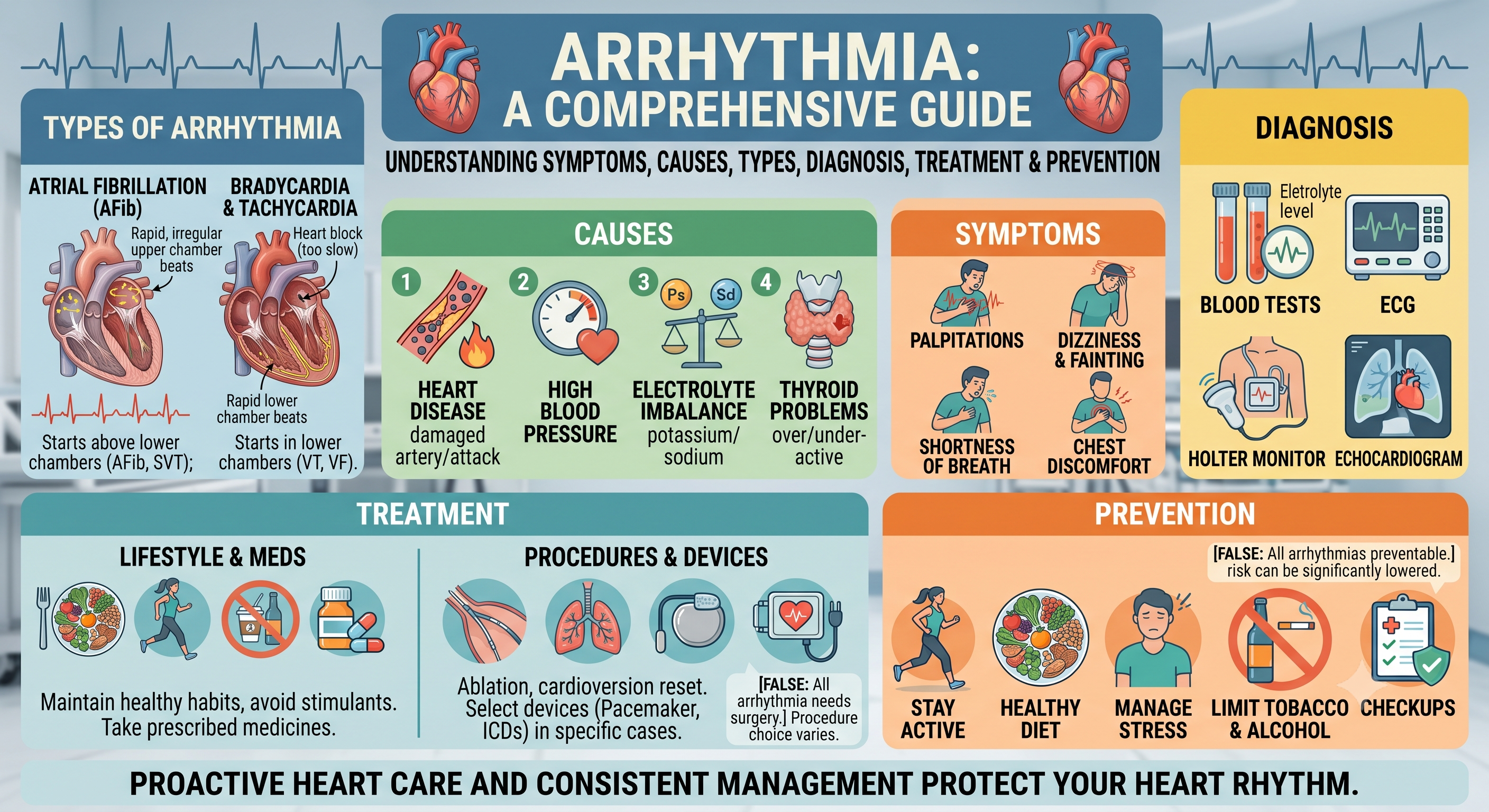
5. Heart Health Screening in Preventive Cardiology
Regular screening helps identify cardiovascular risks before symptoms appear.
5.1 Blood Pressure Check
Blood pressure measurement helps detect hypertension early.
5.2 Lipid Profile Test
A cholesterol test measures:
- Total cholesterol
- LDL cholesterol
- HDL cholesterol
- Triglycerides
5.3 Blood Sugar Testing
Tests such as fasting blood glucose and HbA1c help identify diabetes or prediabetes.
5.4 Body Weight and BMI Assessment
Weight evaluation helps identify obesity-related cardiovascular risks.
5.5 Electrocardiogram (ECG)
An ECG records the heart's electrical activity and can detect certain heart rhythm abnormalities.
5.6 Echocardiogram
An echocardiogram uses ultrasound to evaluate:
- Heart structure
- Heart muscle function
- Heart valve function
5.7 Advanced Cardiac Risk Assessment
Depending on individual risk, doctors may recommend:
- Coronary artery calcium (CAC) scoring
- Exercise stress testing
- CT coronary angiography
6. Who Should Consider Preventive Cardiology?
Preventive heart care benefits everyone but is particularly important for individuals with:
- High blood pressure
- Diabetes
- High cholesterol
- Obesity
- Smoking history
- Family history of heart disease
- Previous heart-related problems
- Sedentary lifestyle
People with multiple cardiovascular risk factors should consider an early preventive heart evaluation.
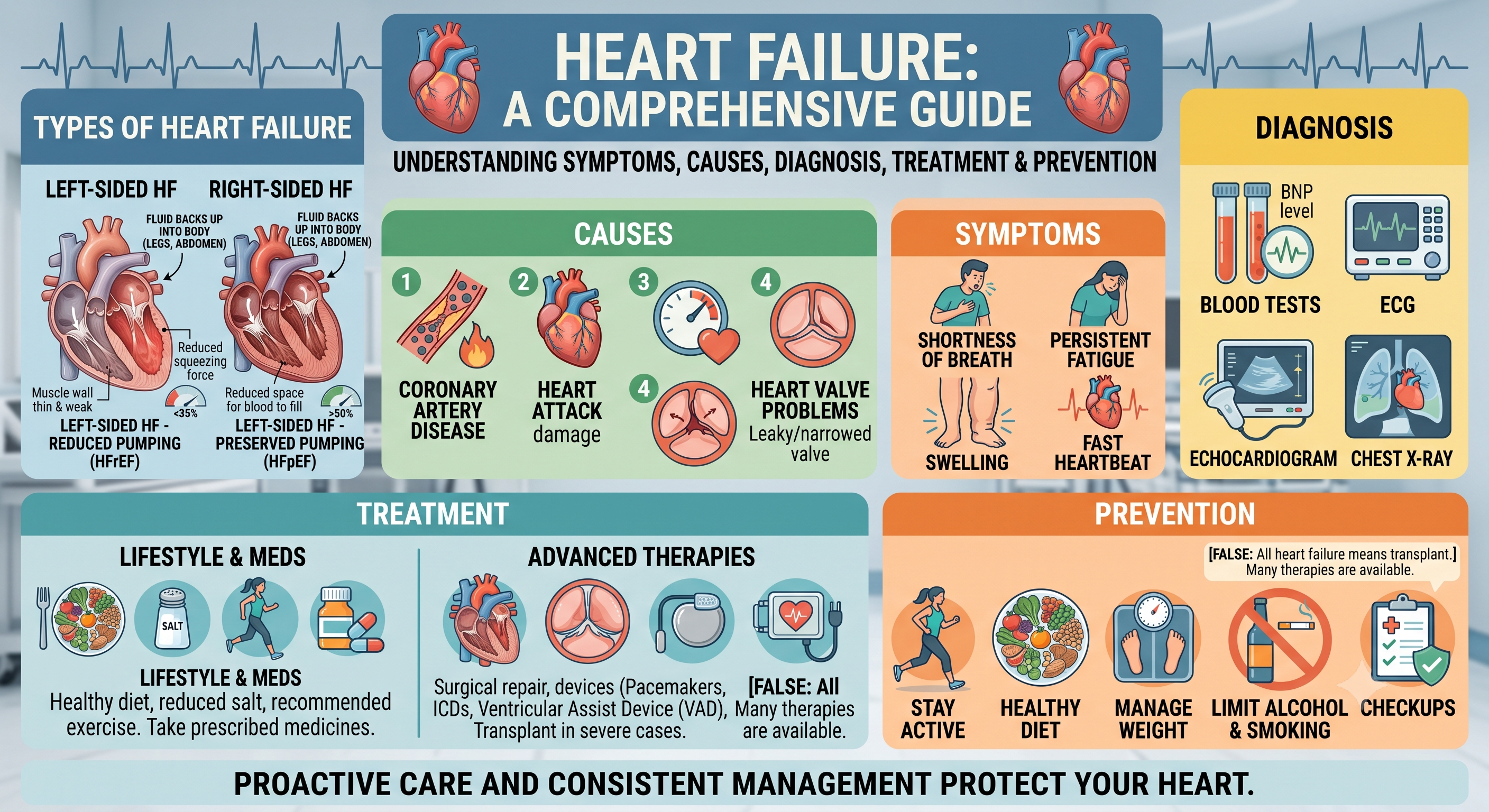
7. Lifestyle Changes for a Healthy Heart
Lifestyle modification is the foundation of preventive cardiology.
7.1 Follow a Heart-Healthy Diet
A balanced diet helps control cholesterol, blood pressure, blood sugar, and body weight.
Include:
- Fruits and vegetables
- Whole grains
- Beans and legumes
- Nuts and seeds
- Lean proteins
- Healthy fats
Limit:
- Fried foods
- Processed foods
- Excess salt
- Sugary foods
- Trans fats
7.2 Exercise Regularly
Regular physical activity strengthens the heart and improves circulation.
Recommended Activities:
- Brisk walking
- Cycling
- Swimming
- Yoga
- Strength training
Aim for regular exercise based on your health condition and your healthcare provider's recommendations.
7.3 Maintain a Healthy Weight
Healthy weight management reduces strain on the heart and lowers the risk of metabolic diseases.
7.4 Stop Smoking
Avoiding tobacco significantly reduces the risk of:
- Heart attack
- Stroke
- Peripheral artery disease
7.5 Manage Stress
Long-term stress may negatively affect cardiovascular health.
Helpful Stress Management Techniques:
- Meditation
- Deep breathing exercises
- Yoga
- Adequate sleep
- Relaxation techniques
7.6 Limit Alcohol Consumption
Excessive alcohol intake can increase blood pressure and contribute to heart disease.
8. Preventive Medicines in Cardiology
Some individuals may require medications to reduce cardiovascular risk.
8.1 Cholesterol Management
Statins and other cholesterol-lowering medicines may be recommended for people at increased cardiovascular risk.
8.2 Blood Pressure Control
Antihypertensive medications help maintain healthy blood pressure levels.
8.3 Blood Clot Prevention
Certain individuals may require blood-thinning medications to reduce clot-related complications.
Medication decisions are based on an individual's overall cardiovascular risk and medical history.
9. Preventive Cardiology for Different Age Groups
9.1 Young Adults
Focus areas include:
- Healthy eating habits
- Regular exercise
- Avoiding smoking
- Understanding family risk factors
9.2 Middle Age
Routine screening becomes increasingly important for:
- Blood pressure
- Cholesterol
- Diabetes risk
- Weight management
9.3 Older Adults
Older adults benefit from:
- Regular cardiovascular assessments
- Medication management
- Ongoing monitoring of heart function
10. Benefits of Preventive Cardiology
Preventive cardiology helps:
- Lower the risk of heart attacks.
- Prevent strokes.
- Improve quality of life.
- Detect heart problems early.
- Reduce healthcare complications.
- Promote long-term cardiovascular wellness.
11. When Should You Consult a Cardiologist?
Consider a preventive cardiology consultation if you have:
- Multiple heart disease risk factors
- Abnormal cholesterol levels
- High blood pressure
- Diabetes
- A strong family history of heart disease
- Previous cardiovascular concerns
Seek Immediate Medical Care If You Experience:
- Chest pain
- Severe breathlessness
- Sudden weakness
- Fainting
- Unexplained severe fatigue
12. Frequently Asked Questions (FAQs)
12.1 What Is the Main Purpose of Preventive Cardiology?
The primary goal is to reduce the risk of heart disease by identifying risk factors early and improving heart health through lifestyle modifications, regular screening, and appropriate medical care.
12.2 Can Preventive Cardiology Stop Heart Attacks?
Preventive cardiology cannot eliminate every risk, but it can significantly reduce the likelihood of heart attacks by controlling major cardiovascular risk factors.
12.3 At What Age Should Heart Screening Begin?
Heart screening depends on individual risk factors. Many adults should begin regular cardiovascular risk assessments in early adulthood, particularly if they have a family history of heart disease or lifestyle-related risk factors.
12.4 Is Preventive Cardiology Only for People with Heart Disease?
No. Preventive cardiology is designed for both healthy individuals who want to protect their heart and people who already have cardiovascular risk factors.
12.5 Can Lifestyle Changes Improve Heart Health?
Yes. Healthy eating, regular exercise, maintaining a healthy weight, avoiding tobacco, managing stress, and limiting alcohol can significantly improve cardiovascular health.
13. Conclusion
Preventive Cardiology plays a vital role in protecting heart health by identifying risks before serious cardiovascular disease develops. Through regular health screening, healthy lifestyle choices, and timely medical guidance, many heart conditions can be prevented or effectively managed.
Adopting healthy habits such as maintaining a balanced diet, exercising regularly, controlling blood pressure, cholesterol, and diabetes, avoiding tobacco, and attending routine health check-ups can greatly reduce the risk of heart attacks, strokes, and other cardiovascular complications.
Key Takeaway:
Taking proactive steps today through preventive cardiology can help protect your heart, reduce future cardiovascular risk, improve overall well-being, and support a healthier, longer life.