1. Introduction
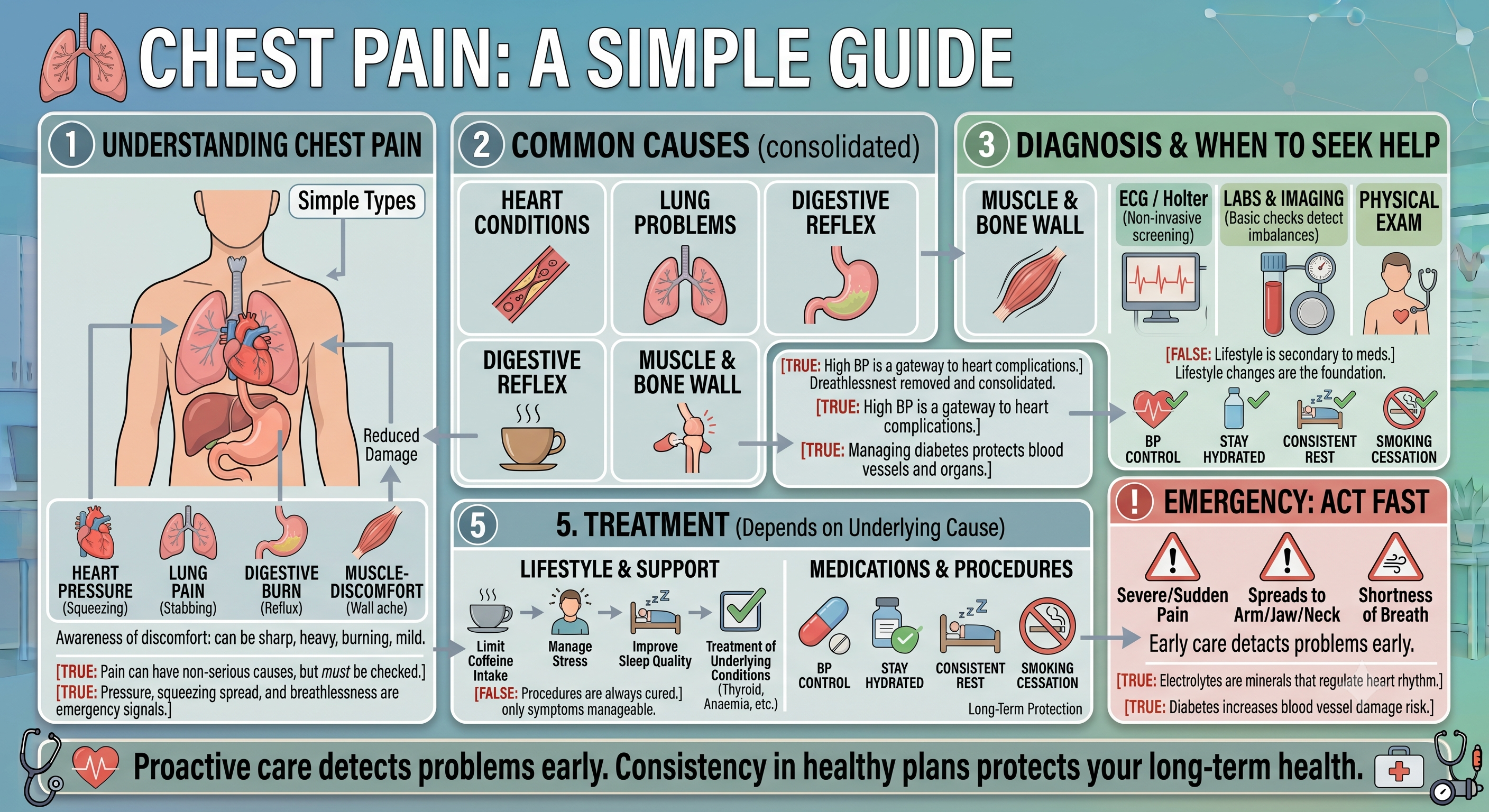
Chest pain is a common symptom that can occur due to many different conditions, ranging from minor problems such as muscle strain or acid reflux to serious medical emergencies like a heart attack.
Because the chest contains important organs such as the heart, lungs, blood vessels, muscles, and digestive organs, discomfort in this area should never be ignored, especially when it is sudden, severe, or associated with other warning signs.
Understanding the causes, symptoms, diagnosis, treatment, and prevention of chest pain can help identify when medical attention is needed and protect your heart health.
2. What Is Chest Pain?
Chest pain refers to any discomfort, pressure, tightness, burning sensation, or pain felt anywhere between the neck and upper abdomen.
The pain may feel different depending on its cause. It can be:
- Sharp or stabbing
- Burning sensation
- Heavy pressure or squeezing
- Tightness or fullness
- Mild discomfort or severe pain
Although chest pain is commonly associated with heart disease, many non-cardiac conditions can also produce similar symptoms.
3. Common Causes of Chest Pain
Chest pain may originate from the heart, lungs, digestive system, muscles, bones, nerves, or other structures.
4. Heart-Related Causes of Chest Pain
4.1 Heart Attack (Myocardial Infarction)
A heart attack occurs when blood flow to part of the heart muscle is blocked, usually due to a blood clot forming in a narrowed coronary artery.
Common Symptoms Include:
- Pressure, heaviness, or squeezing sensation in the chest
- Pain spreading to the left arm, jaw, neck, shoulder, or back
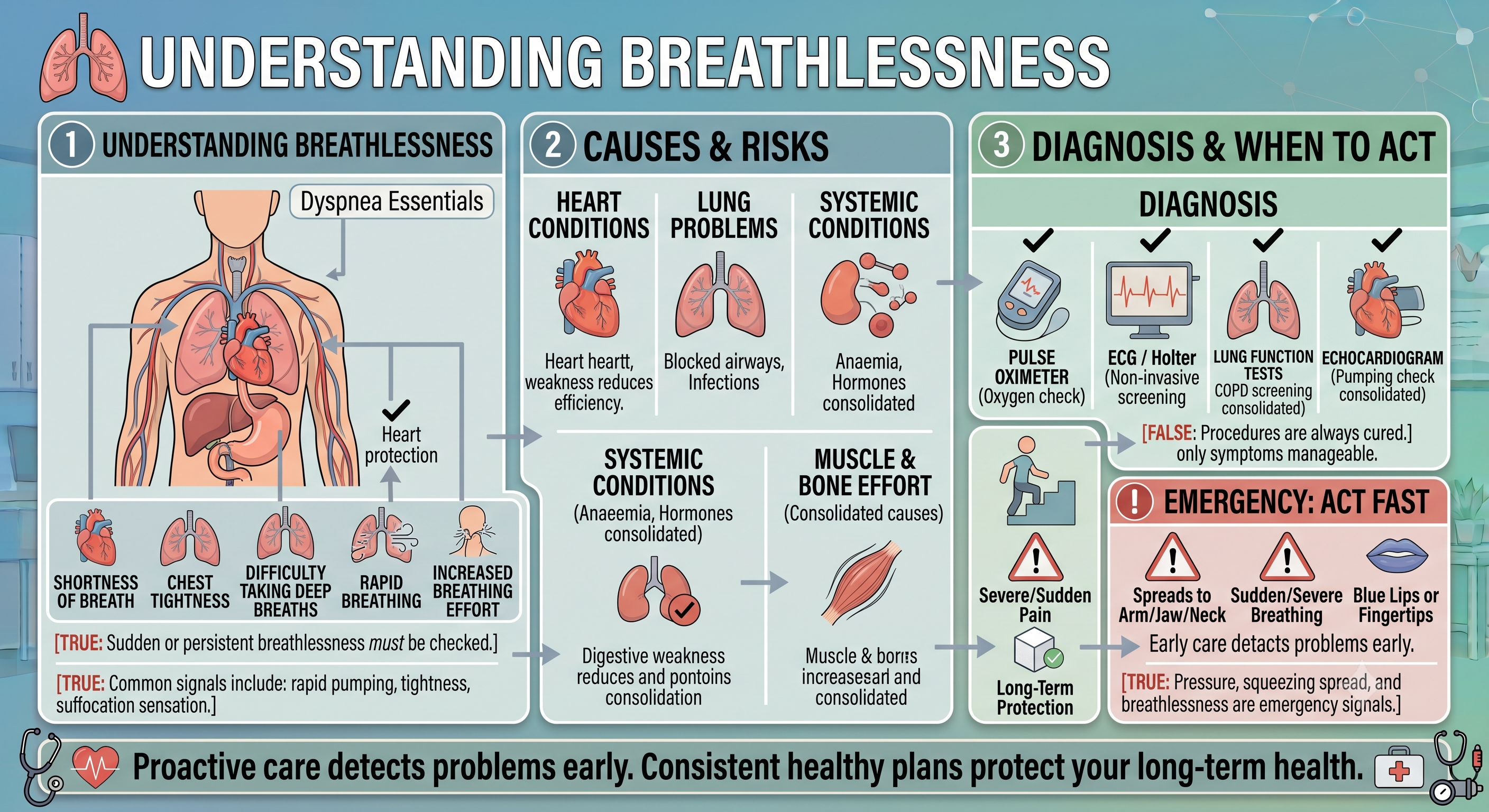
- Shortness of breath
- Sweating
- Nausea
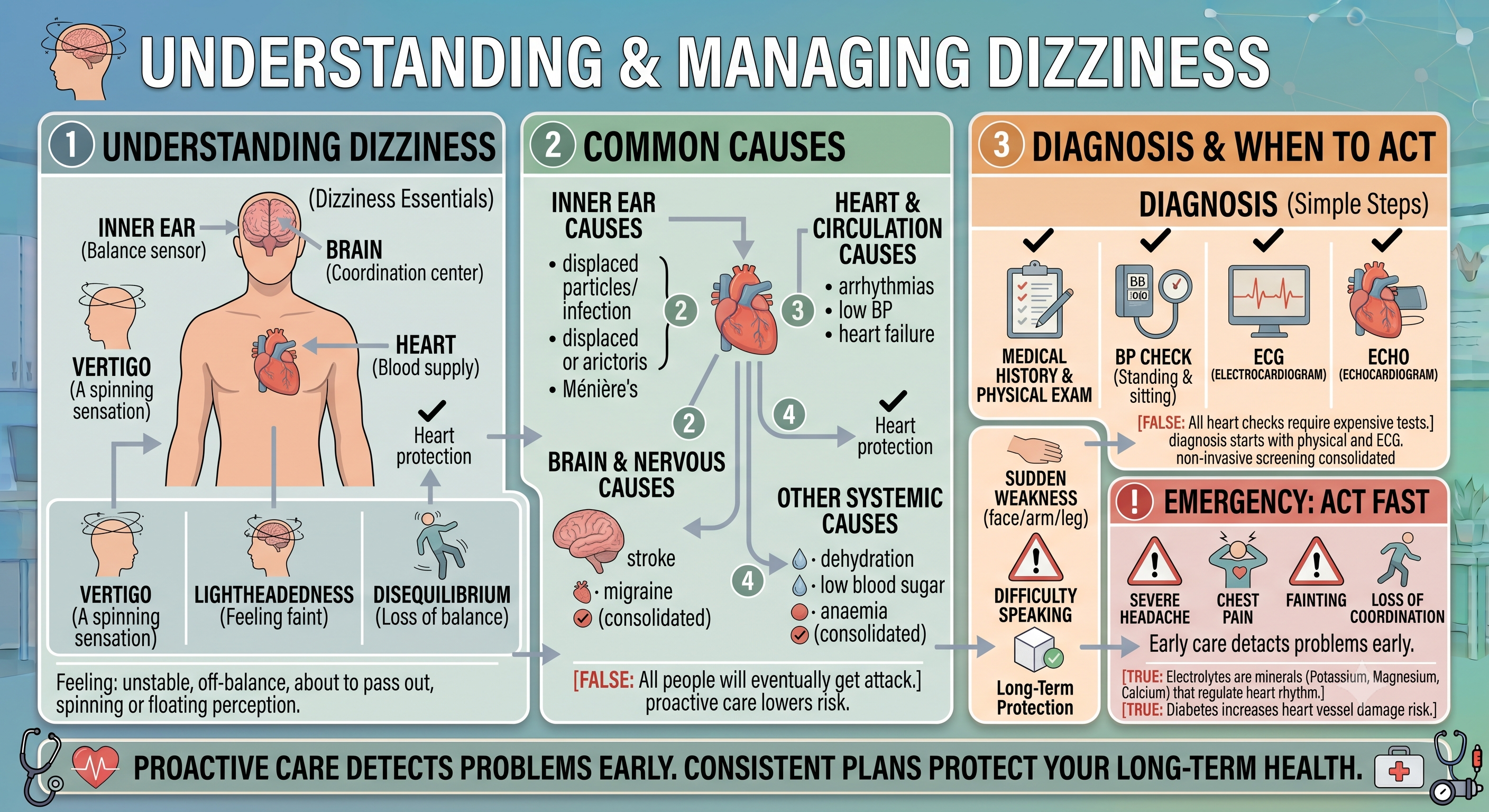
- Dizziness
A heart attack is a medical emergency and requires immediate treatment.
4.2 Angina
Angina occurs when the heart muscle does not receive enough oxygen-rich blood.
Symptoms May Include:
- Chest pressure or tightness
- Pain during physical activity or emotional stress
- Relief with rest or prescribed medication
Angina may indicate underlying Coronary Artery Disease (CAD).
4.3 Pericarditis
Pericarditis is inflammation of the protective sac surrounding the heart.
Symptoms Include:
- Sharp chest pain
- Pain that worsens while lying down
- Relief when sitting up or leaning forward
4.4 Heart Valve Problems
Heart valve disorders may increase pressure on the heart and cause:
- Chest discomfort
- Breathlessness
- Fatigue
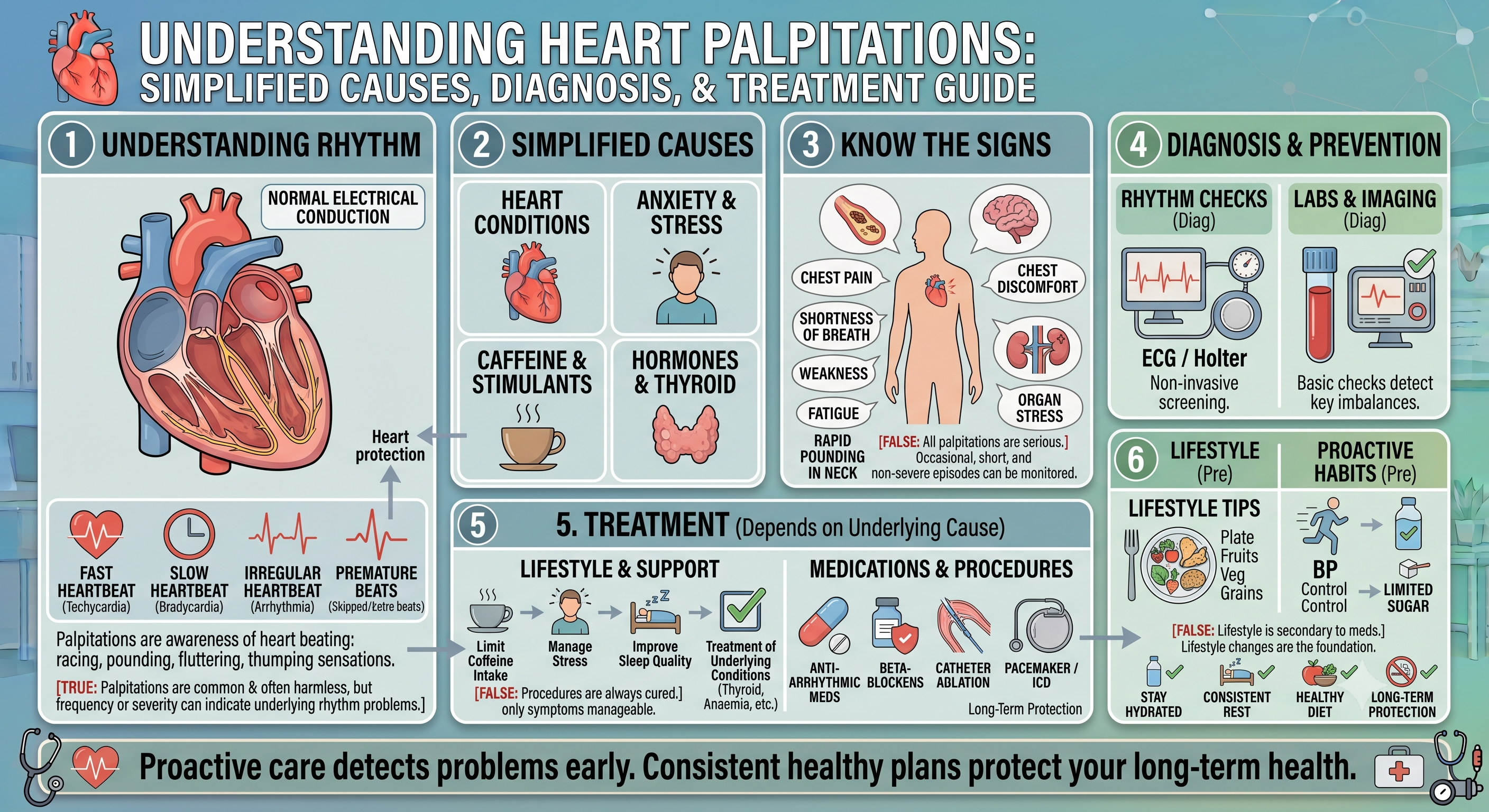
4.5 Heart Rhythm Problems (Arrhythmias)
Abnormal heart rhythms may cause:
- Chest discomfort
- Palpitations
- Dizziness
- Weakness
5. Lung-Related Causes of Chest Pain
5.1 Pulmonary Embolism
A pulmonary embolism occurs when a blood clot blocks blood flow in the lungs.
Symptoms Include:
- Sudden chest pain
- Severe breathlessness
- Rapid heartbeat
- Cough, sometimes with blood
Pulmonary embolism is a life-threatening medical emergency.
5.2 Pneumonia
Lung infections can cause chest pain, particularly during coughing or deep breathing.
Associated Symptoms:
- Fever
- Cough
- Difficulty breathing
5.3 Pneumothorax (Collapsed Lung)
A collapsed lung occurs when air enters the space around the lung.
Symptoms Include:
- Sudden sharp chest pain
- Shortness of breath
- Rapid breathing
6. Digestive Causes of Chest Pain
6.1 Acid Reflux (GERD)
Stomach acid flowing back into the oesophagus can cause:
- Burning chest discomfort (heartburn)
- Sour or bitter taste in the mouth
- Pain after eating or while lying down
6.2 Oesophageal Disorders
Inflammation or muscle spasms of the oesophagus may mimic heart-related chest pain.
7. Muscle and Bone-Related Causes
7.1 Muscle Strain
Overuse, injury, or strenuous exercise can cause chest wall pain.
Pain Often Worsens With:
- Body movement
- Pressing the affected area
- Deep breathing
7.2 Costochondritis
Costochondritis is inflammation of the cartilage connecting the ribs to the breastbone.
Symptoms Include:
- Sharp chest pain
- Tenderness when pressing the chest wall
8. Other Causes of Chest Pain
Chest discomfort may also occur due to:
- Anxiety or panic attacks
- Stress-related muscle tension
- Nerve-related pain
- Shingles infection
Chest pain should never be assumed to be caused by anxiety until serious medical conditions have been ruled out.
9. Symptoms Associated With Chest Pain
Chest pain may occur alone or with other symptoms.
Warning Signs Include:
- Pain spreading to the arm, jaw, neck, or back
- Shortness of breath
- Sweating
- Nausea or vomiting
- Dizziness
- Fainting
- Rapid heartbeat
- Extreme weakness
These symptoms may indicate a serious heart or lung condition and require urgent medical evaluation.
10. When Is Chest Pain an Emergency?
Seek immediate medical attention if chest pain:
- Is sudden or severe
- Feels like pressure, squeezing, or heaviness
- Lasts longer than a few minutes
- Occurs with difficulty breathing
- Spreads to the arm, jaw, neck, or back
- Is accompanied by sweating, nausea, fainting, or confusion
Prompt treatment during a heart attack can save heart muscle and improve survival.
11. Risk Factors for Heart-Related Chest Pain
The likelihood of heart-related chest pain increases with:
- High blood pressure
- High cholesterol
- Diabetes
- Smoking
- Obesity
- Physical inactivity
- Family history of heart disease
- Increasing age
- Previous heart disease
12. Diagnosis of Chest Pain
Doctors determine the cause of chest pain using medical history, physical examination, and diagnostic investigations.
12.1 Physical Examination
The healthcare provider may assess:
- Blood pressure
- Heart rate
- Breathing pattern
- Heart sounds
- Lung sounds
12.2 Electrocardiogram (ECG)
An ECG records the heart's electrical activity and helps detect:
- Heart attack
- Abnormal heart rhythms
- Signs of heart stress
12.3 Blood Tests
Blood tests may identify cardiac biomarkers that indicate heart muscle injury.
12.4 Echocardiogram
An echocardiogram uses ultrasound to evaluate:
- Heart structure
- Pumping function
- Heart valve function
12.5 Chest X-ray
A chest X-ray may identify:
- Lung infections
- Collapsed lung
- Heart enlargement
12.6 Stress Test
A stress test assesses how the heart performs during physical activity and helps identify reduced blood flow.
12.7 CT Scan or Coronary Angiography
Advanced imaging may be used to identify:
- Coronary artery blockages
- Pulmonary embolism
- Other causes of chest pain
13. Treatment of Chest Pain
Treatment depends entirely on the underlying cause.
13.1 Treatment for Heart-Related Chest Pain
Management may include:
- Medicines to improve blood flow
- Cholesterol-lowering medications
- Blood-thinning medicines
- Blood pressure control
- Angioplasty or other procedures to open blocked arteries
13.2 Treatment for Acid Reflux
Treatment may include:
- Dietary modifications
- Avoiding trigger foods
- Acid-reducing medications
- Weight management
13.3 Treatment for Muscle-Related Chest Pain
Management may include:
- Rest
- Pain-relieving medicines
- Physical therapy
- Stretching exercises
13.4 Treatment for Lung Conditions
Depending on the diagnosis, treatment may include:
- Antibiotics for bacterial infections
- Blood-thinning medicines for pulmonary embolism
- Emergency procedures when necessary
14. Prevention of Chest Pain
Many serious causes of chest pain can be reduced through healthy lifestyle habits.
Preventive Measures:
- Eat a heart-healthy diet.
- Exercise regularly.
- Maintain healthy cholesterol levels.
- Control blood pressure.
- Manage diabetes effectively.
- Avoid smoking and tobacco products.
- Limit alcohol consumption.
- Maintain a healthy body weight.
- Attend regular health check-ups.
15. Frequently Asked Questions (FAQs)
15.1 Is All Chest Pain Related to the Heart?
No. Chest pain may result from digestive disorders, muscle injuries, lung diseases, anxiety, or nerve problems. However, heart-related causes should always be considered, particularly in people with cardiovascular risk factors.
15.2 How Can I Differentiate Heart Pain From Other Chest Pain?
Heart-related pain is commonly described as pressure, heaviness, tightness, or squeezing, and it may spread to the arm, jaw, neck, shoulder, or back. Because symptoms vary, medical evaluation is essential.
15.3 Can Acidity Cause Chest Pain?
Yes. Acid reflux (GERD) can cause burning chest discomfort (heartburn) that may closely resemble heart-related chest pain.
15.4 When Should Chest Pain Be Evaluated by a Doctor?
Any new, unexplained, severe, persistent, or recurring chest pain should be assessed promptly by a healthcare professional.
15.5 Can Stress Cause Chest Pain?
Yes. Stress and anxiety may cause chest tightness or discomfort. However, potentially serious heart or lung conditions should always be ruled out before attributing symptoms to stress.
16. Conclusion
Chest pain is a common symptom with many possible causes, ranging from minor conditions to life-threatening medical emergencies. Recognising warning signs and seeking prompt medical attention can significantly improve outcomes, especially when the pain is heart-related.
Maintaining a heart-healthy lifestyle, controlling cardiovascular risk factors, attending regular medical check-ups, and following your healthcare provider's advice are essential steps in reducing the risk of serious chest conditions.
Key Takeaway:
Never ignore sudden, severe, or unexplained chest pain. Early diagnosis and timely treatment can be lifesaving and help protect your long-term heart health.