1. Introduction
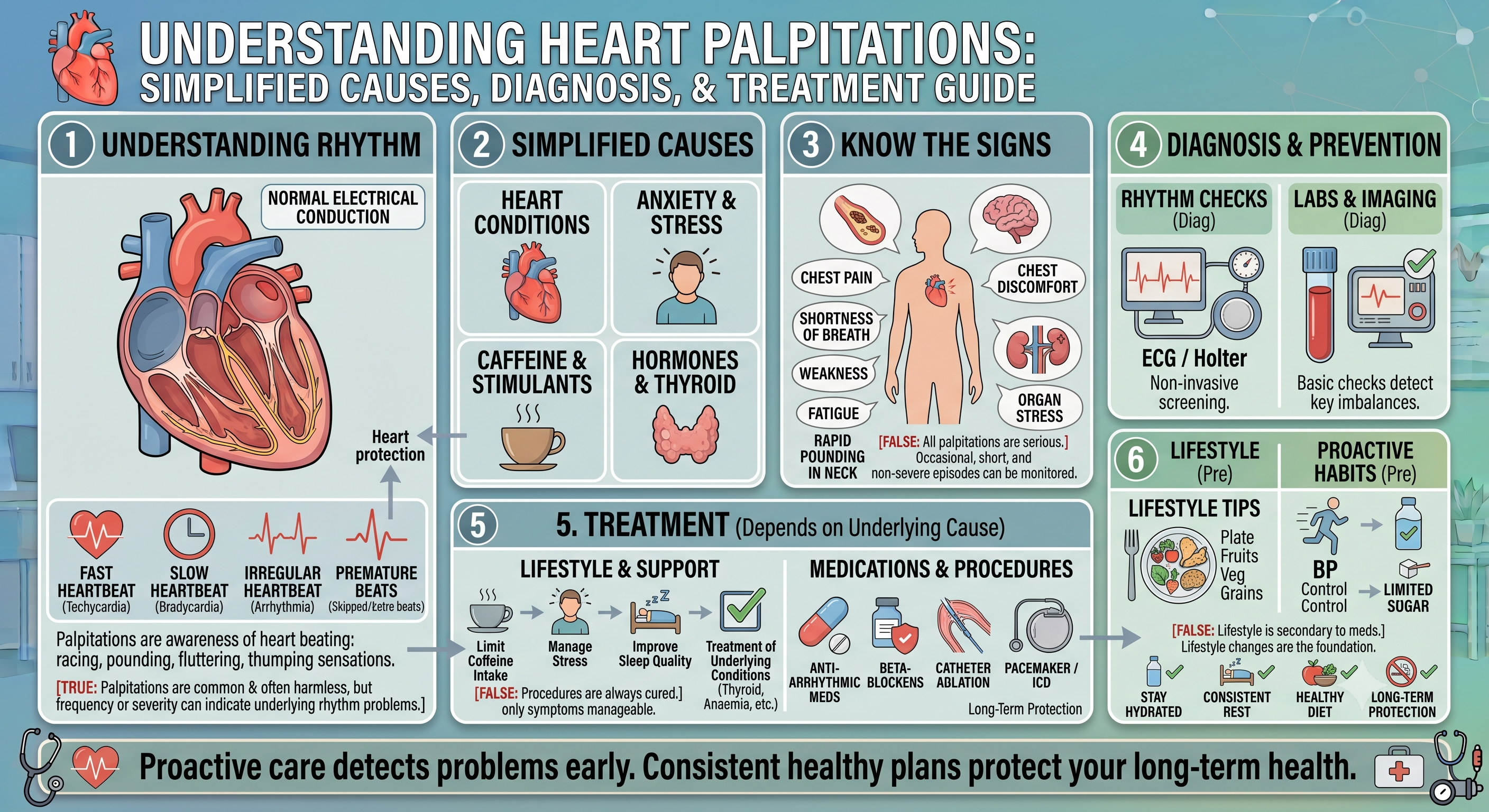
The heart normally beats in a steady rhythm to pump blood and supply oxygen throughout the body. Sometimes, a person may suddenly become aware of their heartbeat or feel that their heart is beating unusually fast, irregularly, or forcefully. This sensation is known as heart palpitations.
Palpitations are common and are often harmless. They may occur due to stress, exercise, caffeine, or temporary changes in the body. However, frequent or prolonged palpitations can sometimes indicate an underlying heart rhythm problem that requires medical evaluation.
Understanding the causes, symptoms, diagnosis, and treatment of heart palpitations can help identify when professional medical advice is needed.
2. What Are Heart Palpitations?
Heart palpitations are sensations where you feel your heartbeat more strongly than usual or notice an abnormal rhythm.
People may describe palpitations as:
- A racing heartbeat
- A pounding sensation in the chest
- Fluttering feeling in the heart
- Skipped beats
- Extra beats
- Irregular heartbeat
- Thumping sensation in the neck or chest
Palpitations can occur while resting, during physical activity, or during stressful situations.
3. Types of Heart Palpitations
3.1 Fast Heartbeat (Tachycardia)
A rapid heartbeat may occur when the heart beats faster than normal.
Possible causes include:
- Exercise
- Fever
- Stress
- Abnormal heart rhythms
3.2 Slow Heartbeat (Bradycardia)
A slower-than-normal heartbeat may sometimes cause awareness of heartbeat, especially if associated with dizziness or fatigue.
3.3 Irregular Heart Rhythm
An irregular heartbeat may occur when the heart’s electrical system does not function normally.
Examples include:
- Atrial fibrillation
- Premature beats
- Other rhythm disorders
4. Common Causes of Heart Palpitations
Palpitations can occur due to heart-related and non-heart-related causes.
4.1 Heart-Related Causes
1. Arrhythmias
Arrhythmias are abnormal heart rhythms caused by problems with the heart’s electrical signals.
Common rhythm disorders include:
- Atrial fibrillation
- Supraventricular tachycardia (SVT)
- Ventricular arrhythmias
- Premature ventricular contractions (PVCs)
Some arrhythmias are harmless, while others may require treatment.
2. Heart Disease
Conditions affecting the heart structure or blood supply may cause palpitations.
These include:
- Coronary artery disease
- Heart valve disease
- Heart failure
- Cardiomyopathy
3. Electrolyte Imbalance
Minerals such as potassium, magnesium, and calcium help regulate heart rhythm. Abnormal levels may contribute to irregular heartbeats.
4.2 Non-Heart Causes of Palpitations
1. Stress and Anxiety
Emotional stress, anxiety, and panic attacks can trigger the release of stress hormones, causing the heart to beat faster.
2. Physical Activity
Exercise naturally increases heart rate. Some people may notice stronger heartbeat sensations during or after activity.
3. Caffeine and Stimulants
Excessive intake of:
- Coffee
- Energy drinks
- Tea
- Certain supplements
may trigger palpitations in some individuals.
4. Hormonal Changes
Hormonal fluctuations during:
- Pregnancy
- Menopause
- Menstrual cycles
may cause increased awareness of heartbeat.
5. Thyroid Disorders
An overactive thyroid gland can increase metabolism and cause:
- Fast heartbeat
- Palpitations
- Sweating
- Weight changes
6. Medications and Substances
Some medicines may contribute to palpitations, including certain:
- Cold medications
- Asthma medicines
- Stimulant medications
- Supplements
7. Fever and Dehydration
Illness, dehydration, or loss of fluids can increase heart rate and cause palpitations.
5. Symptoms Associated With Palpitations
Palpitations may occur alone or along with other symptoms.
Associated symptoms may include:
- Rapid heartbeat
- Fluttering sensation
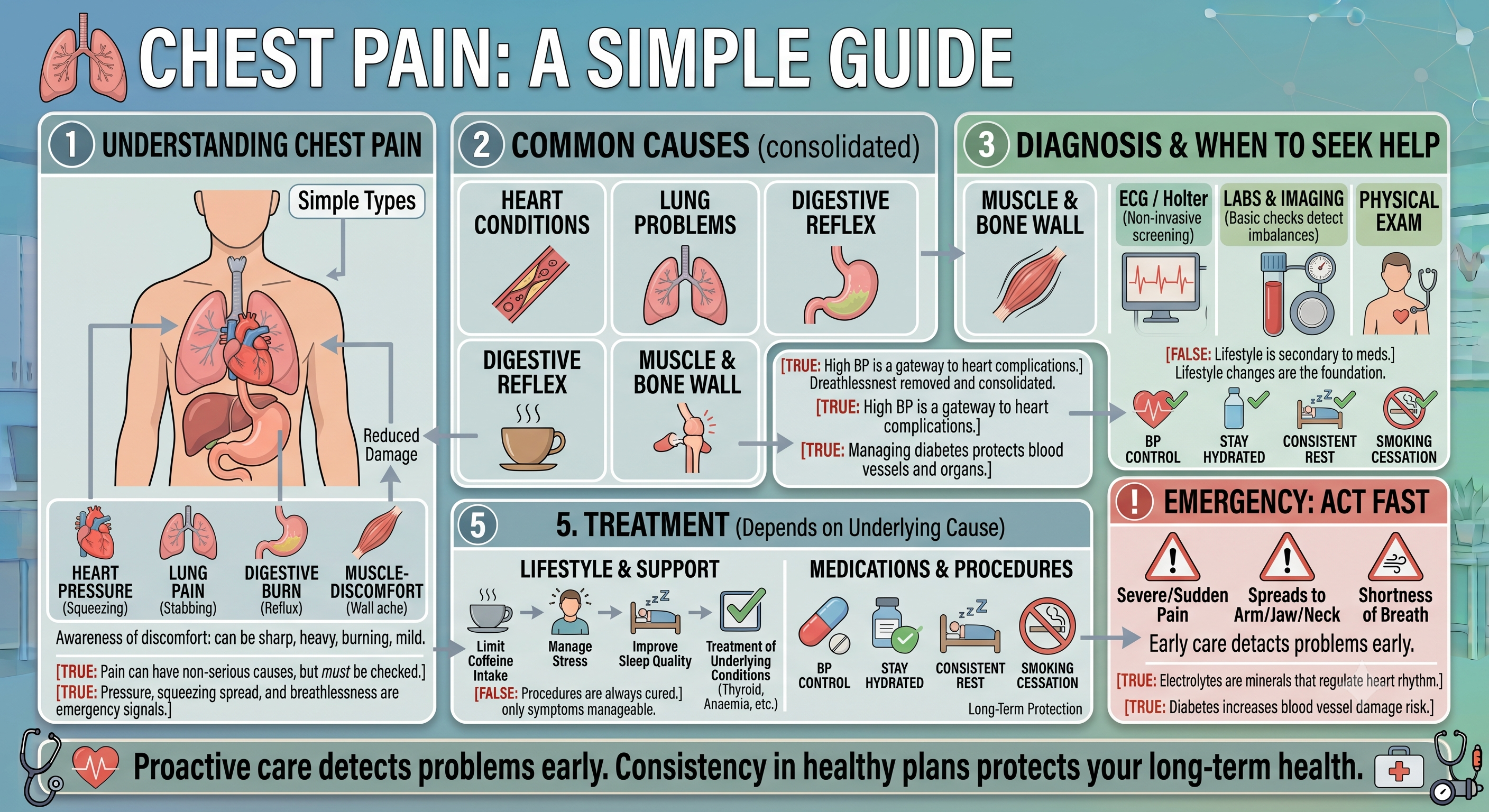
- Chest discomfort
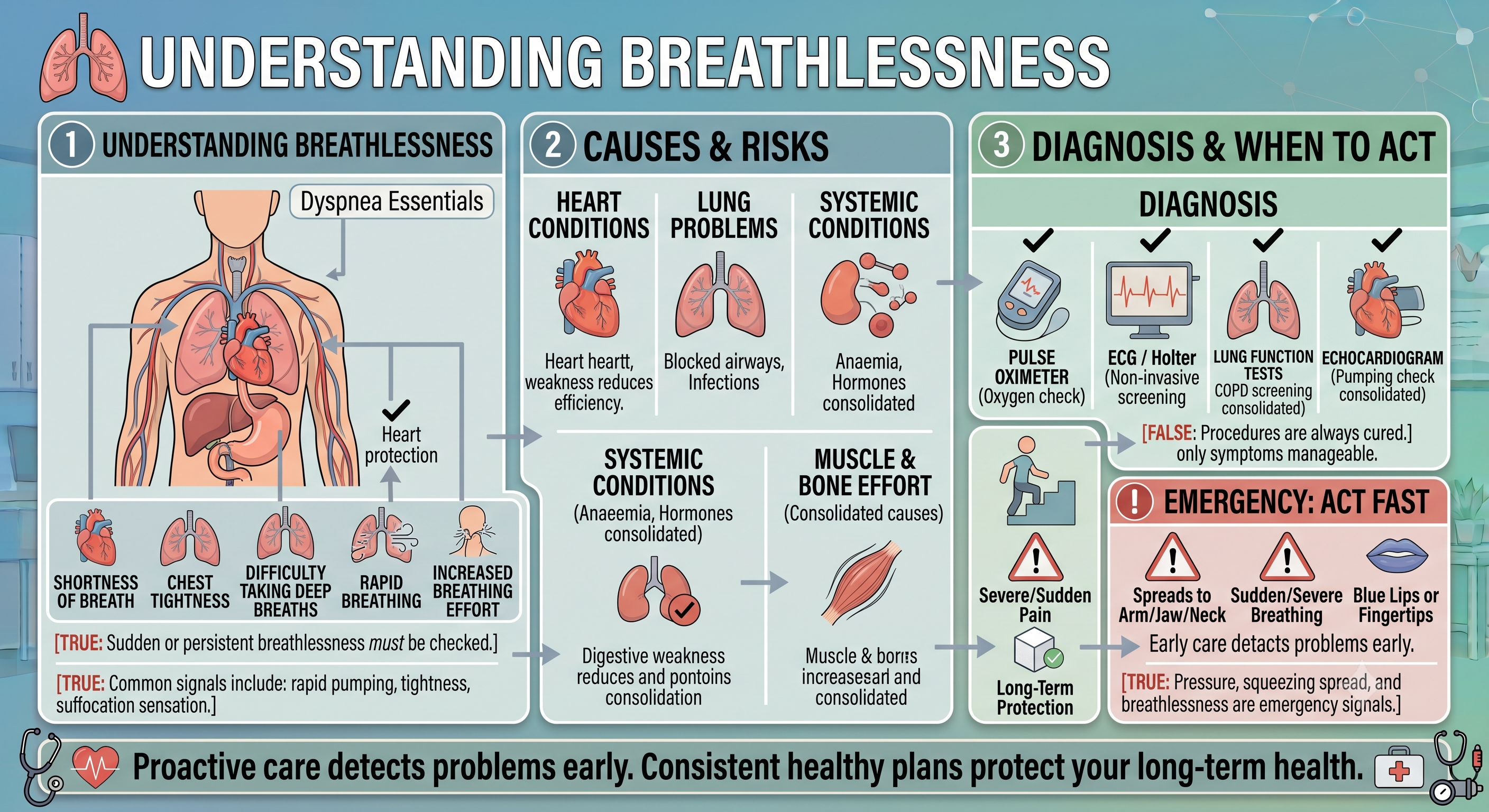
- Shortness of breath
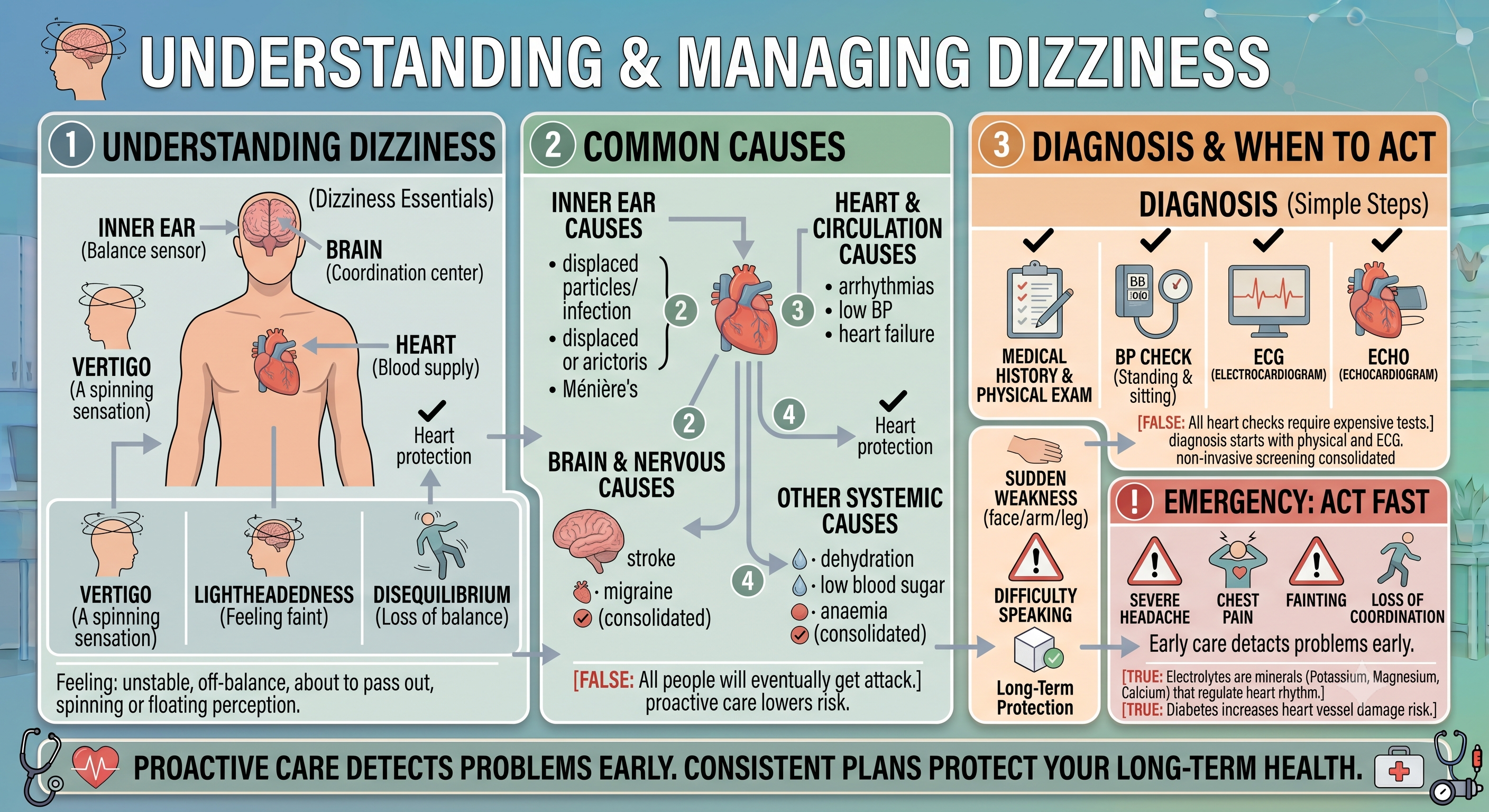
- Dizziness
- Weakness
- Fatigue
- Feeling faint
6. When Are Heart Palpitations Serious?
Most palpitations are not dangerous, but medical evaluation is important if they:
- Occur frequently
- Last for a long time
- Start suddenly without an obvious reason
- Affect daily activities
- Occur with chest pain
- Occur with fainting or severe dizziness
- Are associated with breathing difficulty
These symptoms may indicate a more serious heart rhythm problem.
7. Risk Factors for Heart Palpitations
The risk of experiencing palpitations may increase with:
- Heart disease
- High blood pressure
- Thyroid disorders
- Diabetes
- Excessive caffeine intake
- Smoking
- Alcohol use
- High stress levels
- Poor sleep
- Family history of rhythm disorders
8. Diagnosis of Heart Palpitations
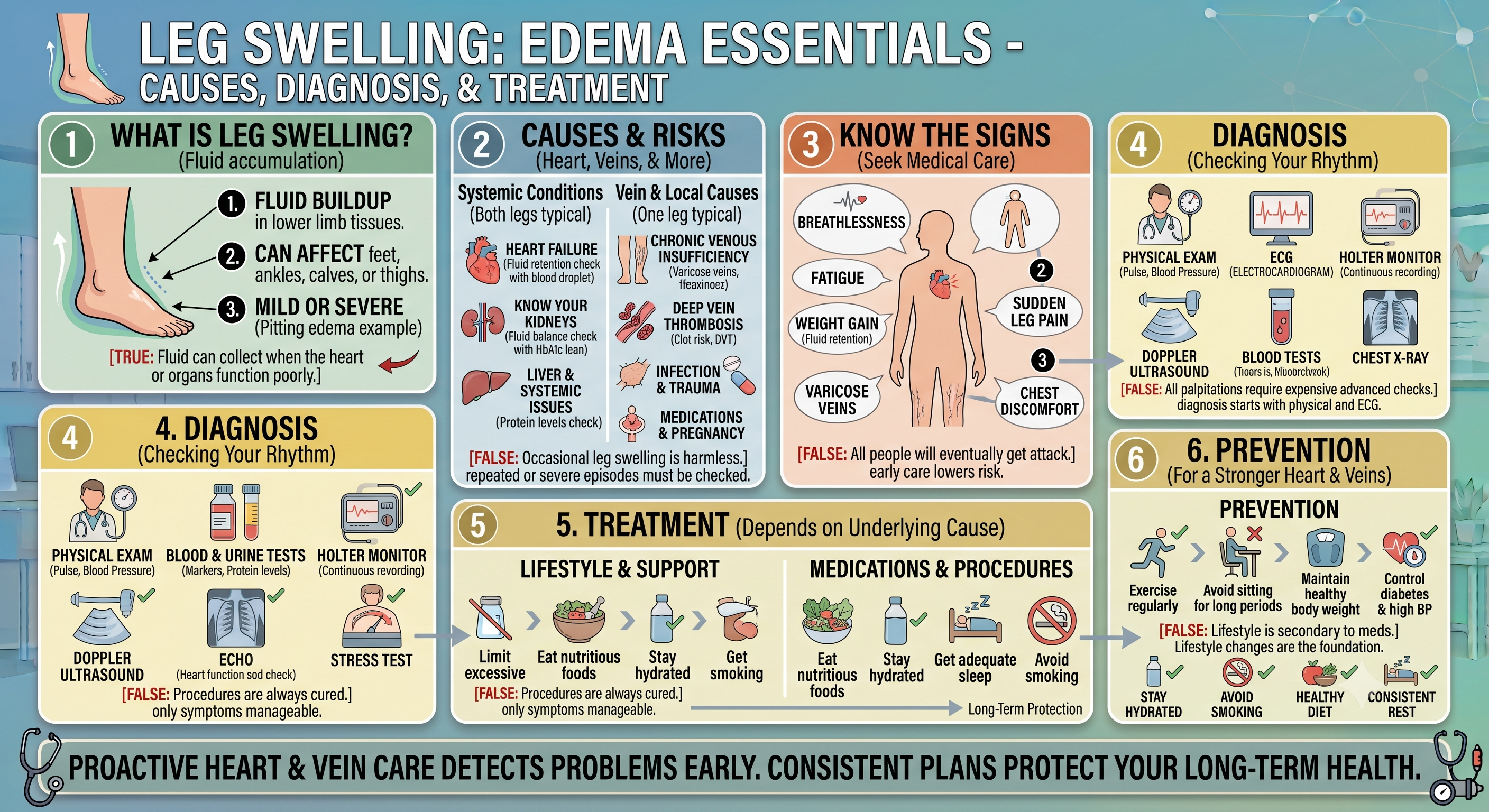
Doctors evaluate palpitations by understanding symptoms, medical history, and heart rhythm patterns.
8.1 Medical History and Physical Examination
The doctor may ask about:
- Duration and frequency of palpitations
- Possible triggers
- Existing medical conditions
- Medication use
A physical examination may include checking:
- Pulse
- Blood pressure
- Heart sounds
8.2 Electrocardiogram (ECG)
An ECG records the electrical activity of the heart and helps identify abnormal rhythms.
8.3 Holter Monitor
A portable ECG device records heart activity continuously, usually for 24–48 hours or longer, to detect irregular rhythms.
8.4 Event Monitor
This device records heart rhythm during episodes of symptoms over a longer period.
8.5 Echocardiogram
An echocardiogram uses ultrasound to evaluate:
- Heart structure
- Pumping function
- Heart valves
8.6 Blood Tests
Blood tests may help identify:
- Thyroid problems
- Electrolyte abnormalities
- Anaemia
8.7 Exercise Stress Test
A stress test may evaluate how the heart responds during physical activity.
9. Treatment of Heart Palpitations
Treatment depends on the underlying cause.
9.1 Lifestyle Changes
Helpful measures include:
- Limiting caffeine intake
- Managing stress
- Improving sleep quality
- Staying hydrated
- Avoiding tobacco
- Limiting alcohol
9.2 Treatment of Underlying Conditions
Treatment may focus on:
- Thyroid disorders
- Anaemia
- Electrolyte imbalance
- Heart disease
9.3 Medications
Doctors may prescribe medicines to control abnormal heart rhythms.
These may include:
- Beta-blockers
- Anti-arrhythmic medicines
- Other heart medications
9.4 Procedures for Arrhythmias
Some rhythm disorders may require specialised treatments.
Catheter Ablation
A procedure that uses heat or cold energy to destroy small areas of heart tissue causing abnormal electrical signals.
Pacemaker
A device that helps regulate slow or abnormal heart rhythms.
Implantable Cardioverter Defibrillator (ICD)
A device that monitors heart rhythm and delivers treatment for dangerous arrhythmias.
10. Prevention of Heart Palpitations
Healthy habits can reduce the frequency of palpitations.
Steps include:
- Exercise regularly
- Eat a balanced diet
- Maintain healthy blood pressure and cholesterol
- Avoid smoking
- Limit excessive caffeine
- Manage stress
- Get adequate sleep
- Attend regular health check-ups
11. Frequently Asked Questions About Heart Palpitations
11.1 Are Heart Palpitations Dangerous?
Many palpitations are harmless, but frequent or severe episodes may indicate an underlying heart rhythm problem.
11.2 Can Anxiety Cause Heart Palpitations?
Yes. Stress and anxiety can trigger hormones that increase heart rate and create a sensation of pounding or racing heartbeat.
11.3 How Long Do Heart Palpitations Usually Last?
They may last for a few seconds, minutes, or longer depending on the cause. Persistent episodes should be evaluated by a healthcare professional.
11.4 Should I Worry About Skipped Heartbeats?
Occasional skipped beats are common and often harmless. However, frequent skipped beats with dizziness, chest pain, or breathlessness require medical assessment.
11.5 Can Caffeine Cause Palpitations?
Yes. Caffeine can stimulate the nervous system and trigger palpitations in some people.
12. Conclusion
Heart palpitations are a common experience that may result from everyday triggers such as stress, caffeine, or exercise. However, repeated or severe episodes can sometimes indicate an underlying heart rhythm disorder.
Recognising warning signs, maintaining a heart-healthy lifestyle, and seeking timely medical advice can help protect heart health and prevent complications.
Regular heart check-ups are especially important for people with existing cardiovascular risk factors or a history of abnormal heart rhythms.